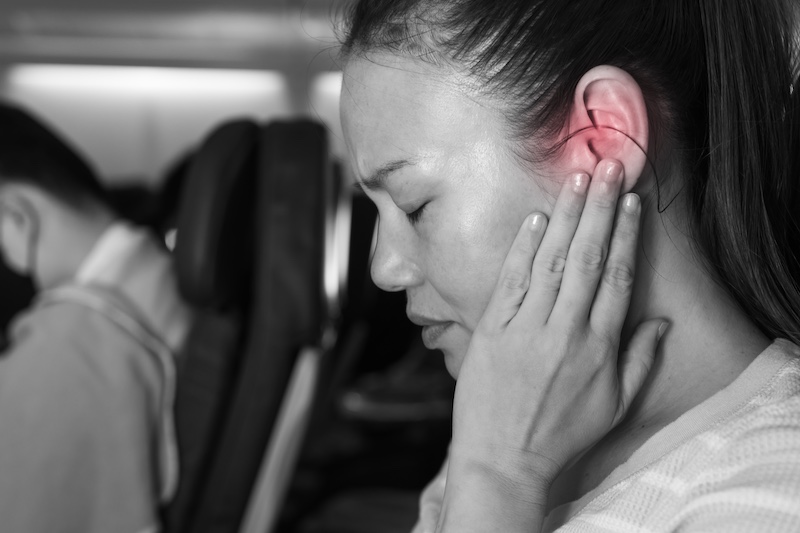
Blog Back How Altitude Affects Your Ears July 20, 2026 How Altitude Affects Your Ears Have you ever noticed your ears popping during an airplane flight, while driving through the mountains, or even riding a fast elevator? For some people, these changes cause only a brief sensation. For others, they can lead to ear pain, muffled hearing, or a feeling of pressure that lasts much longer. Understanding why this happens can help you protect your ears and make altitude changes more comfortable. In this blog post, we will discuss the effects that altitude changes have on your ears and how to manage the discomfort. Why Altitude Affects Your Ears Your middle ear is an air-filled space located behind your eardrum. It connects to the back of your nose and throat through a small passage called the Eustachian tube. This tube’s job is to equalize air pressure on both sides of the eardrum. When you quickly gain or lose altitude, such as during takeoff or landing on an airplane, the air pressure around you changes faster than your ears can adjust. If the Eustachian tube doesn’t open properly, pressure builds up in the middle ear. This difference in pressure can cause your ears to feel full, muffled, or painful until the pressure is equalized. The popping sound you hear is actually a good sign; it usually means the Eustachian tube has opened and the pressure has balanced. Why Some People Experience More Discomfort Anyone can experience ear pressure during altitude changes, but certain conditions make it more likely. You may have more difficulty if you have: A cold or sinus infection Seasonal allergies Nasal congestion An ear infection Naturally narrow or blocked Eustachian tubes Children are also more prone to ear discomfort because their Eustachian tubes are smaller and do not function as efficiently as those of adults. Tips to Make Altitude Changes More Comfortable Fortunately, there are several simple ways to help your ears adjust to changing pressure. These include: Swallow frequently. Swallowing activates the muscles that open the Eustachian tubes. Sipping water or sucking on hard candy can help. Chew gum. The repeated chewing motion encourages pressure equalization. Yawn intentionally. Even a fake yawn can help open the Eustachian tubes. Try the Valsalva maneuver. Gently pinch your nose closed, keep your mouth shut, and blow softly as though you’re trying to exhale through your nose. Avoid blowing too forcefully, which can injure the ear. Stay hydrated. Drinking plenty of water helps keep the tissues in your nose and throat healthy. Use a nasal decongestant if appropriate. If you’re congested from allergies or a cold, using a decongestant nasal spray shortly before flying may help. Always follow the directions and consult your healthcare provider if you have questions. Don’t sleep during airplane descent. Staying awake allows you to swallow, yawn, and actively equalize pressure during the time when ear discomfort is most common. When to Seek Professional Care Most ear pressure resolves within a few minutes or hours after the altitude change. However, you should schedule an evaluation if you experience severe ear pain, hearing loss that doesn’t improve, dizziness, drainage from the ear, or pressure that lasts for several days. Persistent symptoms may indicate Eustachian tube dysfunction, fluid behind the eardrum, an ear infection, or another condition that requires treatment. Protect Your Hearing During Travel Occasional ear popping during altitude changes is perfectly normal, but ongoing pain or muffled hearing is not something you should ignore. If you frequently experience ear discomfort when flying or traveling through higher elevations, a hearing professional can evaluate your ears, identify the cause, and recommend the most effective treatment. Whether you’re planning your next vacation or simply commuting through the mountains, taking a few simple steps can help keep your ears comfortable so you can focus on enjoying the journey. To learn more, we welcome you to contact us today. Share :
Author: sitemanager
Noise-Induced Hearing Loss and the Workplace: Protecting Your Hearing on the Job
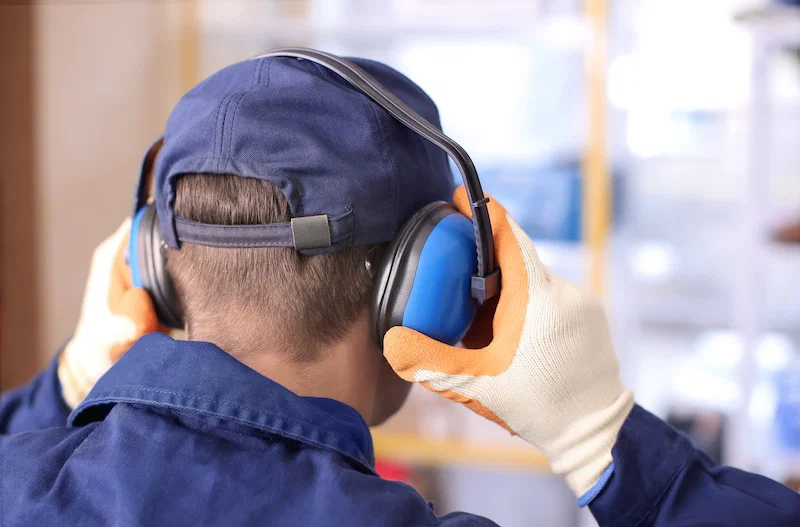
Blog Back Noise-Induced Hearing Loss and the Workplace: Protecting Your Hearing on the Job June 22, 2026 Noise-Induced Hearing Loss and the Workplace: Protecting Your Hearing on the Job For many people, noise is simply part of the workday. Whether it’s the roar of heavy machinery, the constant hum of equipment, or the sounds of power tools, repeated exposure to loud noise can gradually damage hearing. In fact, noise-induced hearing loss (NIHL) is one of the most common occupational health concerns, affecting millions of workers each year. The good news is that it is often preventable. In this blog post, we will explore how and where noise-induced hearing loss is most likely to occur in the workplace, the signs of noise-induced hearing loss, and how you can protect your hearing on the job. Which Occupations Have the Highest Risk for Noise-Induced Hearing Loss? Certain jobs expose workers to loud sounds on a regular basis, making hearing protection especially important. Occupations that commonly carry a higher risk of noise-induced hearing loss include: Construction workers Manufacturing and factory employees Farmers and agricultural workers Military personnel and veterans Airport and airline ground crews Police officers and first responders Landscapers and groundskeepers Miners and oil field workers Transportation workers Musicians, DJs, and entertainment professionals Even office workers can be exposed to damaging noise if they work in industrial environments or spend long hours using headsets at high volumes. The risk increases when sounds reach 85 decibels or higher for extended periods. Over time, these loud noises can damage the delicate hair cells inside the inner ear. Once damaged, these cells do not regenerate, making hearing loss permanent. Symptoms of Noise-Induced Hearing Loss Noise-induced hearing loss often develops gradually, which means many people may not notice the changes right away. Common signs and symptoms include: Difficulty understanding conversations, especially in noisy places Frequently asking others to repeat themselves Needing to turn up the television or radio volume Trouble hearing high-pitched sounds Feeling that people are mumbling Ringing, buzzing, or hissing in the ears (tinnitus) Trouble following group conversations Because the changes can occur slowly, regular hearing evaluations are important for anyone who works in a noisy environment. How to Protect Your Hearing at Work Taking steps to protect your hearing today can help preserve it for years to come. Here are several ways to reduce your risk: Wear Hearing Protection Earplugs and earmuffs are among the most effective ways to reduce noise exposure. Many workplaces provide protective devices designed specifically for the type of noise employees encounter. Follow Workplace Safety Guidelines Employers may implement hearing conservation programs that include noise monitoring, protective equipment, and employee education. Following these recommendations can significantly lower the risk of hearing damage. Limit Exposure When Possible Take breaks from noisy environments whenever possible. Reducing the amount of time spent around loud sounds can lessen the cumulative effects on your hearing. Keep Personal Listening Devices at Safe Levels If you use headphones or earbuds during work, avoid high volume settings. Listening at moderate levels helps prevent additional hearing damage. Schedule Regular Hearing Tests Routine hearing evaluations can detect changes early, often before symptoms become noticeable. Early identification allows you to take steps to prevent further hearing loss. Don’t Ignore the Warning Signs Noise-induced hearing loss can affect communication, job performance, and overall quality of life. If you work in a loud environment or have noticed ringing in your ears or difficulty hearing conversations, a comprehensive hearing evaluation can help determine whether hearing loss is present. Protecting your hearing is an investment in your long-term health. Small steps taken today can make a big difference in preserving your hearing for the future. For more information about how you can protect yourself from noise-induced hearing loss at work, we welcome you to contact us today. Share :
Understanding the Tinnitus Stress Response

Blog Back Understanding the Tinnitus Stress Response June 15, 2026 Understanding the Tinnitus Stress Response Tinnitus is commonly described as a ringing, buzzing, or hissing sound in the ears. However, for many people who suffer from tinnitus, it is more than just ringing in the ears. The condition can trigger a stress response that makes symptoms feel louder, more noticeable, and more frustrating. Understanding the connection between tinnitus and stress can help you regain control and improve your quality of life. What Is the Tinnitus Stress Response? Tinnitus is the perception of sound when no external sound is present. People often describe it as ringing, buzzing, humming, or hissing in one or both ears. While tinnitus itself is fairly common, the way the brain reacts to these sounds varies from person to person. When tinnitus first appears, the brain may interpret it as something threatening or unusual. This can activate the body’s natural “fight-or-flight” response. Stress hormones are released, increasing awareness and causing the brain to focus even more on the sound. As a result, tinnitus may seem louder or more bothersome. This cycle can become frustrating: Tinnitus causes stress. Stress increases awareness of tinnitus. Increased awareness makes tinnitus seem worse. More stress follows. Breaking this cycle is one of the keys to successful tinnitus management. How Stress Affects Tinnitus Stress does not cause tinnitus, but it can significantly influence how severe symptoms feel. Many people notice that their tinnitus becomes more noticeable during times of: Anxiety or emotional stress Poor sleep Fatigue Illness Major life changes Work or family pressures Because the brain and auditory system are closely connected, emotional well-being plays an important role in how tinnitus is perceived. Strategies to Manage Tinnitus Symptoms Although there is currently no universal cure for tinnitus, several approaches can help reduce its impact and improve daily life. Use Background Sound Soft music, white noise machines, fans, or nature sounds can help mask tinnitus and make it less noticeable, especially at bedtime. Hearing aids may also provide relief for individuals with hearing loss by amplifying environmental sounds. Prioritize Stress Management Relaxation techniques can calm the nervous system and reduce the body’s stress response. Helpful strategies include: Deep breathing exercises Meditation and mindfulness Yoga Regular physical activity Spending time outdoors Managing stress often helps decrease the emotional burden associated with tinnitus. Improve Sleep Habits Lack of sleep can make tinnitus seem more intense. Maintaining a regular sleep schedule, limiting caffeine late in the day, and creating a quiet, relaxing bedtime routine may help improve rest. Protect Your Hearing Avoid excessive noise exposure and wear hearing protection when using loud equipment or attending concerts. Preventing additional hearing damage can help reduce the risk of worsening symptoms. Seek Professional Help A hearing evaluation is an important first step in understanding tinnitus. Hearing specialists can determine whether hearing loss is contributing to symptoms and recommend personalized treatment options. These may include hearing aids, sound therapy, counseling, or tinnitus management programs designed to help the brain gradually pay less attention to the sound. You Don’t Have to Live With Constant Frustration Tinnitus can be challenging, but it does not have to control your life. Understanding the connection between tinnitus and stress can help you break the cycle and find effective ways to manage symptoms. With the right support and treatment plan, many people experience significant relief and learn to focus less on tinnitus and more on enjoying everyday life. If ringing, buzzing, or other sounds in your ears are affecting your sleep, concentration, or overall well-being, a hearing professional can help you explore solutions and develop a personalized approach to tinnitus management. We invite you to contact our practice today to learn more. Share :
Understanding Listening Fatigue: Why Hearing Can Be So Tiring

Blog Back Why You Can’t Achieve 20/20 Hearing with Hearing Aids May 25, 2026 Have you ever felt mentally exhausted after a long conversation, a busy restaurant outing, or a full day at work? For many people with hearing difficulties, this experience is known as listening fatigue. While it may not be talked about as often as hearing loss itself, listening fatigue can have a major impact on daily life, energy levels, and overall well-being. What is Listening Fatigue? Listening fatigue occurs when the brain has to work extra hard to process sounds and understand speech. Normally, hearing should feel effortless. However, when hearing is reduced or sound quality is unclear, the brain must “fill in the gaps” to make sense of conversations and surrounding noises. This constant effort can become mentally draining over time. People with listening fatigue often describe feeling tired, stressed, irritable, or unable to focus after social interactions or noisy environments. Even simple conversations may feel exhausting by the end of the day. Listening fatigue is not simply “being tired.” It is a real cognitive strain caused by the increased mental energy needed to hear and understand speech. Who Is Most Likely to Experience Listening Fatigue? Listening fatigue can affect people of all ages, but it is especially common among individuals with hearing challenges. Some groups that are more likely to experience it include: People with untreated hearing loss Individuals who work in noisy environments Older adults with age-related hearing changes People who struggle to hear in crowds or group conversations Children and students with hearing difficulties Individuals with hearing aids that are outdated or improperly adjusted Even mild hearing loss can contribute to listening fatigue. In many cases, people may not realize their hearing is the issue. Instead, they may assume they are simply stressed, distracted, or overly tired. Signs of Listening Fatigue Listening fatigue can show up in several ways, including: Feeling exhausted after conversations Difficulty concentrating Trouble remembering details from discussions Increased frustration or irritability Avoiding social situations Headaches or mental fog after noisy activities Over time, listening fatigue may lead some people to withdraw from social interactions because conversations feel too difficult or tiring. How to Manage Listening Fatigue The good news is that listening fatigue can often be improved with the right support and strategies. Schedule a Hearing Evaluation The first step is identifying whether hearing loss may be contributing to the problem. A comprehensive hearing test can determine if hearing changes are present and help guide treatment options. Consider Hearing Aids Modern hearing aids can reduce listening effort by making speech clearer and easier to understand. Many devices also include advanced features designed to reduce background noise and improve communication in challenging environments. Take Listening Breaks Just as your body needs rest after physical activity, your brain benefits from short breaks from demanding listening situations. Stepping into a quiet space for a few minutes can help reduce mental strain. Reduce Background Noise Whenever possible, lower competing noise by turning off televisions, moving to quieter spaces, or choosing less crowded restaurants for conversations. Practice Healthy Communication Habits Face the person speaking, maintain eye contact, and ask others to speak clearly rather than loudly. Good lighting and visual cues can also make communication easier. Don’t Ignore the Signs Listening fatigue can affect work performance, relationships, and quality of life. If hearing feels exhausting, it may be time to seek professional help. Proper hearing care can reduce the mental effort required to listen and help make everyday communication feel more comfortable and enjoyable again. To learn more about listening fatigue and how it can be managed and reduced, we encourage you to contact us today. Share :
6 Ways to Participate in Better Hearing Month This May
Blog Back 6 Ways to Participate in Better Hearing Month This May May 18, 2026 Every May, hearing healthcare professionals across the country recognize Better Hearing & Speech Month. It is a time dedicated to raising awareness about hearing health and encouraging people to take steps toward better communication and quality of life. Hearing loss affects millions of people of all ages, yet many delay seeking help because the changes can happen gradually over time. Better Hearing and Speech Month is the perfect opportunity to learn more about your hearing, support loved ones, and take proactive steps to protect one of your most important senses. Here are several simple and meaningful ways to participate this May. 1. Schedule a Hearing TestOne of the best ways to participate in Better Hearing Month is by scheduling a professional hearing evaluation. Many people live with untreated hearing loss for years before seeking help. A hearing test can identify changes in your hearing early and provide valuable information about your overall hearing health. Even if you do not currently notice hearing difficulties, baseline testing is important, especially for adults over 50 or individuals regularly exposed to loud environments. Early detection often leads to better treatment outcomes and improved long-term hearing health. 2. Learn the Signs of Hearing LossHearing loss is not always obvious. Sometimes the signs are subtle and easy to dismiss. Better Hearing Month is a great time to educate yourself and your family about common symptoms, including: Frequently asking others to repeat themselves Turning up the television volume Difficulty understanding conversations in noisy places Feeling tired after conversations Ringing or buzzing in the ears (tinnitus) Recognizing these signs early can encourage timely treatment and prevent communication challenges from worsening. 3. Protect Your HearingPreventing hearing damage is just as important as treating hearing loss. Noise-induced hearing loss is common but often preventable. During Better Hearing Month, make an effort to adopt healthier listening habits. Simple ways to protect your hearing include: Wearing hearing protection during loud activities Lowering headphone volume Taking listening breaks Avoiding prolonged exposure to loud noise Whether you enjoy concerts, sporting events, woodworking, or yard work, hearing protection can make a significant difference over time. 4. Encourage Loved Ones to Seek HelpMany people hesitate to address hearing concerns because they are embarrassed or unsure about treatment options. Better Hearing Month is a wonderful opportunity to start supportive conversations with family members or friends who may be struggling with hearing difficulties. Approach the topic with kindness and encouragement rather than frustration. Modern hearing technology is more advanced, discreet, and comfortable than ever before, and treatment can dramatically improve communication and confidence. 5. Explore Modern Hearing TechnologyToday’s hearing aids offer impressive features designed to improve everyday life. Many devices include Bluetooth connectivity, rechargeable batteries, smartphone compatibility, and customized sound settings for different environments. If you have been curious about hearing aids or have outdated devices, Better Hearing Month is an excellent time to learn about newer options. Scheduling a consultation with a hearing professional can help you better understand which solutions may fit your lifestyle and needs. 6. Spread AwarenessAnother meaningful way to participate is by sharing information about hearing health with others. Talk with friends and family about the importance of hearing protection and regular hearing care. You can also share educational articles or social media posts that promote hearing awareness during the month of May. Take the First Step Toward Better HearingBetter Hearing Month serves as an important reminder that hearing health plays a major role in communication, relationships, mental well-being, and overall quality of life. Small actions taken today, whether scheduling a hearing test, protecting your ears, or supporting a loved one, can make a lasting impact. If you have questions about your hearing or would like to schedule a professional evaluation, our team is here to help you take the next step toward better hearing and better living. Share :
Rechargeable Hearing Aids: Pros, Cons, and What to Consider
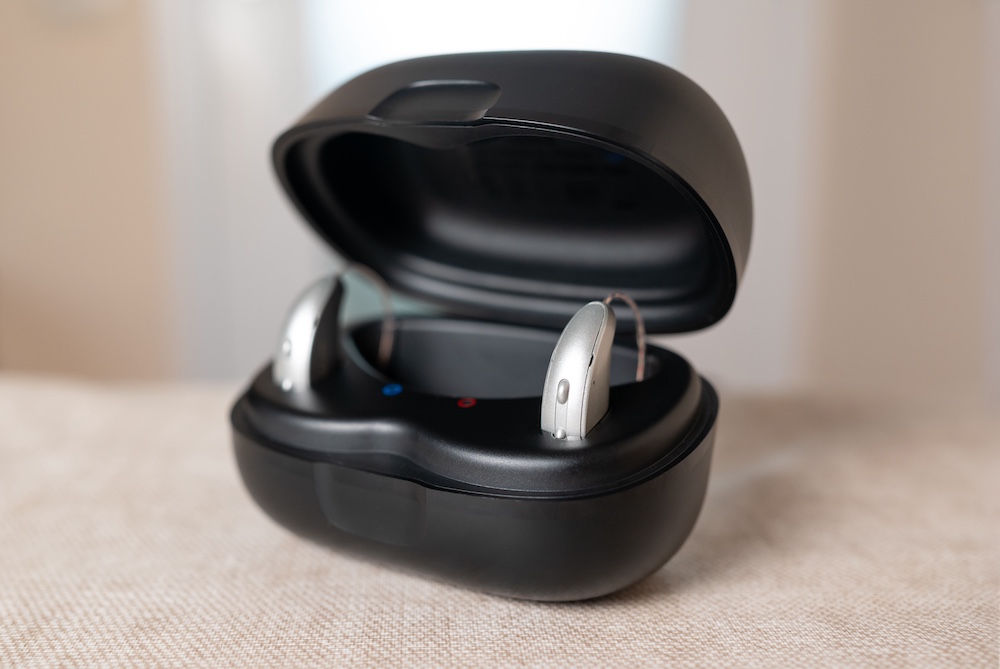
Blog Back Rechargeable Hearing Aids: Pros, Cons, and What to Consider April 27, 2026 Rechargeable hearing aids have become increasingly popular in recent years, and for good reason. With advances in battery technology and user-friendly design, they offer a convenient alternative to traditional disposable battery models. But like any technology, rechargeable hearing aids come with both advantages and limitations. If you’re considering hearing aids, understanding the pros and cons of rechargeable options can help you make the best choice for your lifestyle and hearing needs. The Pros of Rechargeable Hearing Aids 1. Convenience and Ease of Use One of the biggest benefits of rechargeable hearing aids is simplicity. Instead of handling tiny disposable batteries, which can be especially difficult for individuals with arthritis, dexterity issues, or vision challenges, you simply place your hearing aids in a charging station overnight. By morning, they’re ready to go. 2. Cost Savings Over Time While rechargeable hearing aids may have a higher upfront cost, they can save money in the long run. Disposable batteries need to be replaced regularly, sometimes as often as every few days or weeks depending on usage. With rechargeable models, you eliminate the ongoing expense of purchasing replacement batteries. 3. Environmentally Friendly Rechargeable hearing aids are a more sustainable option. Disposable hearing aid batteries contribute to environmental waste, whereas rechargeable devices significantly reduce the number of batteries that end up in landfills. 4. Reliable Daily Power Modern rechargeable hearing aids are designed to last a full day on a single charge. This range is often 16 to 24 hours, even with streaming and other advanced features. This reliability can provide peace of mind, especially for those with busy or active lifestyles. 5. Sleek, Modern Design Rechargeable models are often built with integrated batteries, allowing for more streamlined and contemporary designs. Many users appreciate their discreet appearance and comfortable fit. The Cons of Rechargeable Hearing Aids 1. Daily Charging Required Unlike disposable battery models, rechargeable hearing aids must be charged every day. Forgetting to charge them overnight could leave you without hearing support the next day. For some users, this daily routine may take getting used to. 2. Limited Battery Lifespan Rechargeable batteries don’t last forever. Over time, typically after 3 to 5 years, the battery’s capacity may decline, meaning it won’t hold a full day’s charge. At that point, the device may need servicing or replacement. 3. Dependence on Electricity Rechargeable hearing aids require access to power. This can be a drawback during travel, camping, or power outages. While portable charging cases are available, they still need to be recharged periodically. 4. Higher Initial Cost The upfront price of rechargeable hearing aids is often higher than traditional models. Although this may balance out over time, it can be a consideration for those on a tighter budget. 5. Charging Time Most devices take several hours to fully charge. While quick-charge features are improving, users still need to plan ahead to ensure their devices are ready when needed. Is a Rechargeable Hearing Aid Right for You? Rechargeable hearing aids are an excellent option for many people, especially those who value convenience, sustainability, and modern design. However, they may not be ideal for everyone, particularly if you prefer the flexibility of swapping batteries on the go or frequently spend time without reliable access to electricity. The best way to decide is to discuss your lifestyle, hearing needs, and preferences with a hearing care professional. We invite you to contact us today to learn more. Share :