
Blog Back 7 Helpful Tips for Dating with Hearing Loss April 25, 2024 Navigating the dating world can be exhilarating yet daunting, and for individuals with hearing loss, it may present unique challenges. From communication barriers to concerns about disclosing their hearing loss, the journey to finding love can seem daunting. However, with the right mindset and strategies, dating with hearing loss can be a rewarding experience. In this blog article, we’ll explore some valuable tips to help individuals with hearing loss navigate the dating scene with confidence and success. Embrace Confidence and Self-Acceptance:Confidence is attractive, regardless of hearing ability. Embrace your hearing loss as a part of who you are and approach dating with self-assurance. Remember that your worth is not defined by your hearing abilities, and confidence in yourself will naturally draw others to you. Be Open and Honest About Your Hearing Loss:Honesty is key in any relationship, so be open about your hearing loss from the beginning. Communicate your needs and preferences regarding communication, such as preferred methods of communication and any accommodations you may require. Being upfront about your hearing loss sets the foundation for open and honest communication in the relationship. Choose Date Locations with Consideration:When planning dates, choose locations that are conducive to communication and accommodate your hearing needs. Opt for quieter venues with good lighting and minimal background noise to facilitate conversation. Consider suggesting activities where communication isn’t solely reliant on verbal cues, such as a walk in the park or attending a concert with captioning. Utilize Assistive Technology:Take advantage of assistive technology to enhance communication during dates. Hearing aids, cochlear implants, and assistive listening devices can help improve your ability to hear and understand conversation in various environments. Additionally, smartphone apps and captioning services can provide real-time text for easier communication in noisy or challenging situations. Educate Your Date About Hearing Loss:Many people may not fully understand hearing loss or how to best communicate with someone who has it. Take the opportunity to educate your date about your hearing loss, including any specific communication strategies that work best for you. Encourage open dialogue and be patient in answering any questions they may have. Practice Active Listening and Communication:Effective communication is a two-way street, so practice active listening and communication skills during dates. Maintain eye contact, nod and acknowledge understanding, and ask for clarification when needed. Be patient and attentive, and encourage your date to communicate openly as well. Don’t Let Hearing Loss Define You:While hearing loss is a part of your life, it doesn’t define who you are as a person. Focus on your strengths, interests, and unique qualities, rather than letting hearing loss overshadow your identity. Remember that compatibility and connection go beyond hearing ability, and the right person will appreciate you for who you are. Dating with hearing loss may present its challenges, but with the right approach and mindset, it can also be an enriching and fulfilling experience. Embrace confidence, honesty, and effective communication, and choose date locations and activities with consideration for your hearing needs. Educate your date about hearing loss and utilize assistive technology to enhance communication. Above all, remember that finding love is about connection, compatibility, and acceptance, and hearing loss is just one aspect of who you are. By embracing yourself fully and approaching dating with positivity and openness, you can embark on the journey to finding love with confidence and excitement. For more information on how you can live your best life with hearing loss, we welcome you to contact our hearing practice today. Share :
Category: Uncategorized
Hear Today, Thrive Tomorrow: Why You Should Wear Your Hearing Aids All the Time
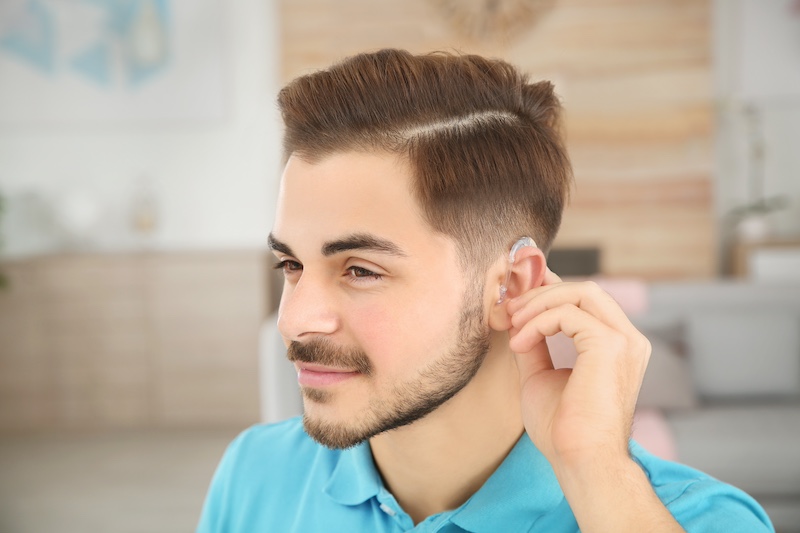
Blog Back Hear Today, Thrive Tomorrow: Why You Should Wear Your Hearing Aids All the Time April 15, 2024 Hearing aids are marvels of modern technology, designed to improve the quality of life for individuals with hearing loss. Yet, despite their benefits, some people may resist wearing their hearing aids consistently. Whether due to discomfort, perceived stigma, or simply forgetting to put them on, not wearing hearing aids regularly can have significant consequences. In this blog article, we’ll explore why wearing your hearing aids all the time is essential for your overall well-being and quality of life. Preserving Cognitive Function:Research has shown a strong link between untreated hearing loss and cognitive decline. When you have difficulty hearing, your brain must work harder to process sounds, often at the expense of cognitive functions like memory and concentration. Wearing hearing aids consistently helps stimulate auditory pathways and can help preserve cognitive function as you age. Maintaining Social Connections:Hearing loss can lead to social isolation and withdrawal from social activities. When you wear your hearing aids consistently, you’re better equipped to engage in conversations and connect with others. By participating fully in social interactions, you can maintain meaningful relationships and enjoy a richer, more fulfilling social life. Improving Safety and Awareness:Hearing plays a crucial role in situational awareness and safety. Whether crossing the street, navigating crowded spaces, or responding to emergency alerts, being able to hear effectively is essential. Wearing your hearing aids all the time ensures that you don’t miss important auditory cues that could impact your safety and well-being. Enhancing Quality of Life:Untreated hearing loss can have a profound impact on your overall quality of life. From diminished enjoyment of activities to feelings of frustration and isolation, the effects of hearing loss extend far beyond just difficulty hearing. Wearing your hearing aids consistently allows you to fully engage in life’s experiences, from enjoying music and conversations to participating in your favorite hobbies and pastimes. Preventing Auditory Deprivation:Auditory deprivation occurs when the auditory system is deprived of stimulation due to untreated hearing loss. Over time, this lack of stimulation can lead to further deterioration of hearing ability. Wearing your hearing aids consistently helps combat auditory deprivation by providing continuous auditory input, thereby preserving your ability to hear and understand speech. Adapting to Amplification:Like any new tool, wearing hearing aids regularly allows you to adapt to their use more effectively. Consistent use helps your brain acclimate to amplified sounds, making the transition smoother and more comfortable over time. By wearing your hearing aids all the time, you can optimize their performance and reap the full benefits they offer. Wearing your hearing aids all the time isn’t just about improving your ability to hear—it’s about enhancing your overall quality of life. From preserving cognitive function and maintaining social connections to improving safety and preventing auditory deprivation, the benefits of consistent hearing aid use are undeniable. Embrace your hearing aids as valuable tools that empower you to fully engage in life’s moments, from everyday conversations to memorable experiences. By wearing your hearing aids all the time, you’re not just hearing better; you’re living better. To learn more about the benefits of wearing your hearing aids all the time and to set up an appointment with our hearing aid specialist, we invite you to contact our office today. Share :
7 Tips to Improve Your Hearing
Blog Back 7 Tips to Improve Your Hearing March 25, 2024 Our sense of hearing is a precious gift that connects us to the world around us. From the sweet melody of birdsong to the laughter of loved ones, our ability to hear enriches our experiences. However, exposure to noise pollution, aging, and lifestyle choices can take a toll on our hearing over time. The good news is there are practical steps you can take to preserve and enhance your auditory health. Let’s explore seven tips to improve your hearing and ensure you continue to enjoy the symphony of life. Protect Your Ears from Loud Noise: Exposure to loud noises is a leading cause of hearing loss. Whether it’s the roar of heavy machinery, blaring music at concerts, or the constant use of earphones at high volumes, these activities can damage delicate hair cells in the inner ear. To safeguard your hearing, invest in ear protection when engaging in noisy activities. Earplugs or earmuffs can significantly reduce the risk of hearing damage without compromising your enjoyment of these experiences. Maintain a Healthy Lifestyle: Believe it or not, your overall health plays a crucial role in maintaining optimal hearing. Regular exercise and a balanced diet contribute to improved blood circulation, including the blood supply to your ears. Adequate blood flow is essential for the proper function of the auditory system. Additionally, managing conditions like diabetes and hypertension, which can impact hearing health, is vital for preserving your ability to hear. Stay Hydrated: Hydration is often associated with skin health and overall well-being, but it also plays a role in maintaining healthy hearing. Proper hydration helps ensure that the intricate structures within your ears, including the cochlea, receive sufficient nutrients and oxygen. Drinking an adequate amount of water each day supports optimal bodily function, including the intricate mechanisms responsible for processing sound. Avoid Cotton Swab Mishaps: It’s a common habit to clean our ears with cotton swabs, but this can often do more harm than good. The ears are self-cleaning organs, and inserting cotton swabs into the ear canal can push wax deeper, potentially leading to impaction or injury. Instead, let the ears clean themselves naturally. If you experience excessive earwax or discomfort, consult with a healthcare professional for safe and effective removal. Limit Exposure to Harmful Chemicals: Certain chemicals, including those found in some medications and household products, can contribute to hearing loss. Ototoxic substances have the potential to damage the inner ear or auditory nerve. If you are taking medications that may have ototoxic effects, discuss alternatives with your healthcare provider. Additionally, be mindful of exposure to industrial chemicals and choose hearing-friendly alternatives whenever possible. Get Regular Hearing Check-Ups: Routine check-ups with a hearing specialist are essential for monitoring your hearing health. These professionals can identify early signs of hearing loss and provide guidance on preventive measures. If hearing loss is detected, early intervention can significantly slow its progression and improve your overall quality of life. Regular check-ups are especially important as you age, as hearing abilities naturally decline over time. Practice Mindful Listening: In our fast-paced world, it’s easy to overlook the importance of mindful listening. Taking the time to focus on the sounds around you can help train your brain to process auditory information more effectively. Engage in activities that promote active listening, such as enjoying nature sounds, music, or even practicing meditation. By giving your ears and brain the opportunity to process different frequencies, you can enhance your overall auditory experience.Preserving and improving your hearing is a lifelong journey that involves a combination of protective measures, healthy lifestyle choices, and regular check-ups. By incorporating these tips into your daily routine, you can safeguard your auditory health and continue to revel in the rich tapestry of sounds that make life truly extraordinary. Remember, your hearing is a valuable asset – let’s take the necessary steps to keep it in tune for years to come. We welcome you to contact our office today to learn more about how to improve your hearing and to schedule an appointment with our hearing specialist. Share :
Exploring the World of Low-Gain Hearing Aids
Blog Back Exploring the World of Low-Gain Hearing Aids May 10, 2024 Hearing aids have evolved significantly over the years, offering a range of options to cater to diverse hearing needs. Among these options are low-gain hearing aids, a specialized type designed to address specific hearing challenges. In this blog post, we’ll delve into what low-gain hearing aids are, who can benefit from them, and the limitations associated with their use. What Are Low-Gain Hearing Aids? Low-gain hearing aids, also known as mild-gain or low-power hearing aids, are devices designed for individuals with mild to moderate hearing loss. These hearing aids provide a lower level of amplification compared to their high-gain counterparts, making them suitable for those with less severe hearing impairments. Who Can Benefit from Low-Gain Hearing Aids? Mild to Moderate Hearing Loss: Low-gain hearing aids are particularly beneficial for individuals with mild to moderate hearing loss. If you find yourself struggling to hear soft sounds or conversational speech, these devices can provide the necessary amplification to enhance your auditory experience. First-Time Hearing Aid Users: For individuals new to the world of hearing aids, low-gain devices serve as an excellent introduction. They offer a gentle transition into wearing hearing aids and can be especially helpful for those who may not require the maximum amplification provided by high-gain models. Comfort Seekers: Low-gain hearing aids are often preferred by individuals who prioritize comfort and natural sound quality. These devices are designed to offer a subtle amplification that enhances hearing without overpowering ambient sounds. What Are the Benefits of Low-Gain Hearing Aids? Natural Sound Reproduction: One of the key advantages of low-gain hearing aids is their ability to preserve the natural quality of sounds. They amplify sounds without distortion, providing wearers with a more authentic auditory experience. Discreet Design: Many low-gain hearing aids boast a discreet and compact design, making them less noticeable when worn. This can be appealing for individuals who prefer a subtle and inconspicuous hearing aid solution. Easy Adaptation: Individuals new to hearing aids often find the transition smoother with low-gain devices. The gradual amplification allows wearers to acclimate to the enhanced soundscape without overwhelming their auditory system. What Are the Limitations of Low-Gain Hearing Aids? Limited Amplification: The primary limitation of low-gain hearing aids is their restricted amplification range. While suitable for mild to moderate hearing loss, they may not provide sufficient amplification for individuals with more severe hearing impairments. Less Customization: Compared to high-gain models, low-gain hearing aids may offer fewer customization options. This can be a drawback for those who require highly personalized settings to address specific hearing needs. Challenges in Noisy Environments: Low-gain hearing aids may struggle to provide clarity in noisy environments where background sounds compete with speech. Individuals with an active lifestyle or frequent exposure to loud surroundings may find this limitation impactful.Low-gain hearing aids play a valuable role in the diverse landscape of hearing aid options. They offer a comfortable and discreet solution for individuals with mild to moderate hearing loss, providing a natural auditory experience. While they may have limitations in terms of amplification range and customization, their benefits make them a compelling choice for many users. If you’re considering hearing aids, consulting with a hearing care professional can help determine whether low-gain devices align with your specific hearing needs and preferences. For more information about low-gain hearing aids and to set up an appointment with our hearing specialist, please contact our office today. Share :
Listen Up: Recognizing the Early Signs of Hearing Loss

Blog Back Listen Up: Recognizing the Early Signs of Hearing Loss February 22, 2024 Difficulty Following ConversationsOne of the initial signs of hearing loss is difficulty following conversations, especially in environments with background noise. If you find yourself frequently asking others to repeat themselves or struggling to understand dialogue in crowded places, it may be an early indicator of hearing impairment.Pay attention to instances where you struggle to grasp conversations, and consider seeking a professional hearing evaluation if this difficulty persists. Increasing Volume on Electronic DevicesA subtle yet significant sign of potential hearing loss is the need to increase the volume on electronic devices, such as the television or radio, to a level that others find uncomfortably loud. If you find yourself consistently raising the volume, it’s a signal that your hearing may be diminishing.Be mindful of changes in your volume preferences and consider consulting with a hearing specialist for a comprehensive hearing assessment. Ringing or Buzzing Sounds (Tinnitus)Tinnitus, or the perception of ringing, buzzing, or other phantom sounds in the ears, is often associated with hearing loss. While tinnitus can have various causes, including exposure to loud noises, it may serve as an early warning sign of auditory issues.If you experience persistent tinnitus, consult with a healthcare professional to explore potential underlying causes, including hearing loss. Withdrawal from Social ActivitiesIndividuals experiencing hearing loss may begin to withdraw from social activities, avoiding situations where they may struggle to hear and participate in conversations. Social withdrawal can impact emotional well-being and quality of life.If you notice a reluctance to engage in social activities, consider discussing your concerns with a healthcare professional who can assess your hearing health. Muffled or Distorted SoundsHearing loss can affect the clarity of sounds, leading to a perception of muffled or distorted auditory input. If you find that voices or sounds lack clarity, even when they are sufficiently loud, it may be an early sign of hearing impairment.Actively listen to your surroundings and assess whether sounds seem distorted or muffled. If this is the case, consult with a hearing professional for further evaluation. Difficulty Hearing High-Pitched SoundsHigh-frequency sounds, such as birdsong or the rustling of leaves, are often the first to be affected in the early stages of hearing loss. If you notice a diminishing ability to hear these subtle sounds, it may indicate a decline in your hearing acuity.Pay attention to your ability to hear various frequencies, and seek professional guidance if you perceive a reduction, especially in high-pitched sounds. Early recognition of the signs of hearing loss is pivotal for seeking timely intervention and preserving auditory well-being. If you or a loved one experiences any of these subtle indicators, consider consulting with a hearing professional. A comprehensive hearing assessment can provide valuable insights into your auditory health and guide appropriate measures to address potential hearing loss. Embracing early intervention empowers individuals to maintain a fulfilling and connected lifestyle, ensuring that the symphony of life remains vibrant and clear. To learn more about the early signs of hearing loss and to set up an appointment with our hearing specialist, we invite you to contact our office today. Share :
6 Vitamins, Minerals, and Supplements for Hearing Health

Blog Back 6 Vitamins, Minerals, and Supplements for Hearing Health February 8, 2024 The intricate world of hearing health is influenced not only by genetics and age, but also by our lifestyle choices and nutritional intake. Emerging research suggests that certain vitamins, minerals, and supplements play a role in supporting auditory function and may be beneficial for individuals experiencing hearing issues like hearing loss and tinnitus. In this blog post, we explore these essential nutrients and how they contribute to maintaining optimal hearing health. Vitamin A: The Guardian of Ear HealthVitamin A, found in abundance in foods like carrots, sweet potatoes, and spinach, plays a crucial role in maintaining the health of the ear’s sensory cells. These cells, also known as hair cells, are essential for transmitting sound signals to the brain. Including vitamin A-rich foods in your diet contributes to the protection and repair of these vital cells. Vitamin E: Protecting Against Oxidative StressVitamin E acts as a potent antioxidant, protecting cells from oxidative stress and inflammation. Oxidative stress has been linked to age-related hearing loss. Including vitamin E-rich foods like nuts, seeds, and leafy greens may contribute to shielding the auditory system from such stressors. Magnesium: Regulating Blood Flow to the EarsMagnesium is involved in regulating blood flow, and adequate blood flow to the inner ear is crucial for optimal hearing. Research suggests that magnesium supplementation may be beneficial for preventing noise-induced hearing loss. Foods like leafy greens, nuts, and whole grains are natural sources of magnesium. Zinc: Enhancing Immune Function for Ear HealthZinc is essential for immune function and has been associated with maintaining the health of the auditory system. Studies suggest that zinc supplementation may be beneficial for individuals with tinnitus. Foods such as oysters, beef, and legumes are rich in zinc. Omega-3 Fatty Acids: Supporting Brain Function for HearingOmega-3 fatty acids, found in fatty fish like salmon and flaxseeds, play a crucial role in supporting overall brain function. Since hearing involves complex processes in the brain, ensuring an adequate intake of omega-3s may contribute to maintaining auditory health. Coenzyme Q10 (CoQ10): Cellular Energy for the Inner EarCoQ10 is an antioxidant that plays a vital role in cellular energy production. The inner ear requires a significant amount of energy for its intricate processes. While further research is needed, some studies suggest that CoQ10 supplementation may have potential benefits for individuals with age-related hearing loss. While incorporating these vitamins, minerals, and supplements into your diet may offer potential benefits for hearing health, it’s essential to consult with a healthcare professional before making significant changes to your supplementation routine. Additionally, a balanced and varied diet, rich in nutrients, contributes not only to hearing health but to overall well-being. Remember that hearing issues are complex, and nutritional support is just one aspect of maintaining auditory health. Regular check-ups with a hearing professional, a healthy lifestyle, and protective measures against loud noises are integral components of a holistic approach to caring for your ears. By nourishing your body with the right nutrients, you take a proactive step toward supporting your auditory well-being and savoring the beautiful symphony of life. We welcome you to contact our office today to learn more about how vitamins, minerals, and supplements can contribute to your hearing health. Share :