
Blog Back Do You Have Trouble Hearing Clearly—But Are Not Sure If You Have Hearing Loss? September 22, 2021 Hearing loss may seem like a black and white issue—either you have hearing loss or you have normal hearing. You would think hearing loss would be fairly easy to self-diagnose, too, since you would notice when you cannot hear properly. However, there are some gray, in-between areas when it comes to hearing loss. You might feel that you do not have hearing loss because you can hear, yet you cannot hear clearly. That’s exactly what this article will discuss.You Can Hear, But Not ClearlySo, what does it mean if you can hear, but not clearly? Another common way this is described is that you can hear a conversation, but you have difficulty understanding what is said. In many cases, this is a sign of high-frequency hearing loss. This means that you can hear and understand low-pitched sounds, but you have difficulty hearing high-pitched sounds.High-frequency hearing loss can make it challenging to understand speech because consonant sounds (like Th, Sh, F, S, P, K, and V) are high-pitched. Since vowel sounds (A, E, I, O, and U) are low-pitched, you can probably hear the vowels but not the consonants. This combination means you will know that someone is speaking and you might be able to make out part of it, but because you cannot hear all of the consonant sounds, you may have difficulty understanding what is being said.High-frequency hearing loss also makes it more difficult to hear high-pitched voices, especially those of women and children. In addition, excessive background noise can make it even more challenging to understand speech if you have high-frequency hearing loss. Here are a few more common signs of high-frequency hearing loss: You struggle to follow conversations You often feel like people are mumbling You have difficulty understanding speech on television, even if you turn up the volume You do not enjoy music because it sounds distorted, especially at higher volumes You often mishear women’s and children’s voices You struggle to understand speech on the phone You find yourself giving inappropriate answers to questions or missing the punchline of jokes Your family members and friends feel like you aren’t listening to them Your spouse or family members accuse you of having “selective hearing” If you recognize these symptoms, it’s time to have your hearing checked by a hearing professional. They will be able to diagnose any hearing loss, including high-frequency hearing loss, and provide you with the solutions you need.You Pass a Hearing Test But Still Can’t Hear ProperlyIn most cases, a professional hearing test will help detect and diagnose any hearing loss. Believe it or not, however, there are times when you can pass a hearing test and be told that you have normal hearing, yet you still feel that you cannot hear properly. There are a few reasons this might happen: Hidden Hearing LossHidden hearing loss is hearing loss that is not detectable with standard hearing tests. This is because standard hearing loss focuses on the ears, while hidden hearing loss is due to an issue in the brain. Auditory Processing Disorders (APD)If you can hear sounds but have difficulty understanding, you may have an auditory processing disorder. This is caused by the nervous system struggling to interpret sound coming in from the ears. Attention Deficit Disorder (ADD)Attention deficit hyperactivity disorder (ADD) can make it difficult to understand sound as well. This is because the brain struggles to keep up with all of the sensory input it experiences, especially noise. It is also possible to have both ADD or autism and an auditory processing disorder. If you feel like you have difficulty hearing or understanding sounds, do not hesitate to contact your hearing care professional. We are here to assist you and provide the personalized care you need. Share :
Category: Uncategorized
Hearing Loss Can Change You, But Did You Know It Can Change Your Brain?
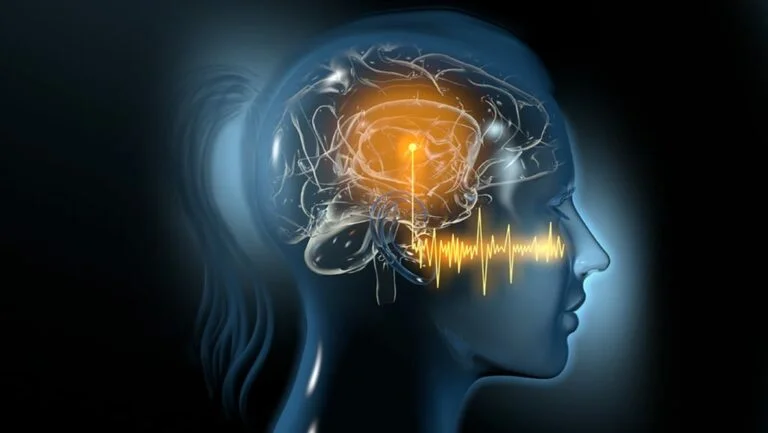
Blog Back Hearing Loss Can Change You, But Did You Know It Can Change Your Brain? September 9, 2021 Hearing loss can bring a lot of change to your life. Of course, there’s the major change of not being able to hear all of the sounds that you once did. Untreated hearing loss can also alter your relationships with your spouse, family, friends, and coworkers, as you can no longer hear and understand conversations clearly. You may often ask people to repeat themselves or talk louder, which can lead to frustration on both sides. You might even find yourself avoiding social situations, especially in loud settings, to avoid problems with hearing and understanding conversation. You may not be able to enjoy sounds you once did, like music, TV, and nature sounds. If you decide to treat your hearing loss and wear hearing aids, that is a change too.All of these changes are real and can create shifts in your life. However, did you know that hearing loss can also change your brain? Recent research, conducted over several years by Johns Hopkins University, The Ohio State University, and other institutions, has revealed that hearing loss causes changes to your brain that have been linked to cognitive decline and even dementia.The greatest takeaway message from this research is that if you believe you may be experiencing hearing loss, treat your hearing loss! Getting a hearing test is painless and usually takes half an hour or less. From this hearing test, your hearing professional will be able to diagnose any hearing loss and present you with options to treat your hearing loss. Hearing aids are a common and effective way to treat hearing loss. In fact, studies have shown that treating hearing loss by wearing hearing aids reduces memory loss and is associated with a delayed diagnosis of dementia and Alzheimer’s disease. It is not clear yet whether using hearing aids can completely prevent the brain changes that are linked to memory loss and cognitive decline, but it can slow this process.Stanford University’s clinical instructor of otolaryngology, Yona Vaisbuch, MD, explained in the 2018 Stanford Medicine publication Listening that, “With time, those brain changes will not be reversible. That’s why we need to treat hearing loss as soon as possible.” Likewise, Dr. Frank Lin of Johns Hopkins recommends treating hearing loss “sooner rather than later…before these brain structural changes take place.” As noted by Dr. Vaisbuch, the brain changes that occur due to untreated hearing loss can become permanent. At that point, just beginning to wear hearing aids may be too little, too late when it comes to brain structure and cognitive decline.Of course, simply having your hearing tested and getting hearing aids is not enough if you do not actually use your hearing aids! Wearing your hearing aids all day, every day is the best way to get used to them and enjoy their benefits. If you feel something is wrong with your hearing aids—for example, if they are uncomfortable or if the settings need to be adjusted—be sure to reach out to your hearing aid professional.If you believe that you might have hearing loss, or if you want to learn more about how treating hearing loss can prevent changes to your brain, we invite you to contact our hearing practice today. We are eager to speak with you! Share :
Understanding Listening Fatigue: Why Hearing Can Be So Tiring

Blog Back Understanding Listening Fatigue: Why Hearing Can Be So Tiring August 24, 2021 If you broke your arm, would you go to the store, buy some plaster, and put a cast on your broken arm yourself? Of course not! You would go to a doctor who would be sure to set the broken bone correctly and apply the cast in a way that will be of most benefit to your arm’s healing.In the same way, you cannot expect your hearing aids to function optimally without the help of a professional. There are many different types of hearing aids available now—some better than others—and to ensure that you get the right type of hearing aids for you and that they fit correctly, you will need to attend a hearing aid fitting with a trained hearing professional. Here are 4 reasons why it is essential to have a professional hearing aid fitting: Not all hearing aids are created equal.Just as with all other products, hearing aids are available in a wide variety. Some are simple, while others are very technologically advanced. The type of hearing aid you will need depends on the type and severity of hearing loss you suffer from. Personal preferences can also help determine which hearing aid is right for you.Your hearing professional will take all of these factors into account when helping you find the hearing aid that is best for you. Cost also plays a role, so be sure to discuss your cost expectations with your hearing aid professional. (Just remember that you often get what you pay for, so it might not be worth it to choose the least expensive option.)Remember, there will be an adjustment period with your new hearing aids, even if you choose top-of-the-line devices and have them fitted by a professional. If your hearing aids are uncomfortable, however, or if you still experience trouble hearing, you may need an adjustment. Do not hesitate to contact your hearing aid professional for assistance. There are various types and degrees of hearing loss.As mentioned, the type of hearing loss you experience will play a part in determining which type of hearing aid you need and how your device is adjusted by your hearing professional. It is important that you are aware of the type and severity of hearing loss you experience so you can make an educated decision on what kind of hearing aids you will use. Your hearing aid professional will help you understand your hearing loss and will assist you in deciding on the type of hearing aid that is best for your specific needs. You will need to decide to wear your hearing aids.You could choose the best of the best when it comes to hearing aids, but they will do you no good if you do not wear them. It is a personal decision and commitment to wear hearing aids every day and enjoy the sounds you would miss without them. While it may seem strange at first to wear hearing aids every day, remember that untreated hearing loss can lead to a variety of other medical problems, including depression, anxiety, social isolation, falls, and cognitive decline.Again, if your hearing aids are uncomfortable or the settings seem off after your professional fitting, contact your hearing aid specialist. They can help you with adjustments. A trained professional is an irreplaceable resource.Your hearing aid fitting will be with a hearing professional. Be sure to take advantage of your time with them. Ask any questions that you have and listen to all of their instruction and advice. They will be able to help you make informed decisions about your hearing aids. They can also answer your questions and ease any concerns you might have. Remember that your hearing professional has your best interests at heart. If you believe that you or a loved one is experiencing hearing loss, it may be time for hearing aids. To learn more about professional hearing aid fittings and to schedule your appointment, we invite you to contact our hearing professional today. Share :
4 Easy Tips For Getting Used To New Hearing Aids

Blog Back 4 Easy Tips For Getting Used To New Hearing Aids August 11, 2021 Are you considering committing to new hearing aids soon? Perhaps you have recently realized that you are experiencing hearing loss and you are considering your first set of hearing aids. Maybe you have worn hearing aids for years now and are contemplating getting a new set (especially with all of the new hearing aids coming out recently). No matter what your situation is, it can be a big change to get used to wearing new hearing aids.Here are some simple, effective tips for getting used to new hearing aids: Don’t hesitate to speak up.During your hearing aid fitting, don’t be afraid to speak up if you have any concerns or questions about your new hearing aids. Your hearing aid professional is there to answer all of your questions and make sure that your hearing aids are as effective as possible. If you are worried about the quality of sound or need any adjustments, be sure to speak up.Don’t forget that adjustments can be made later as well, so it isn’t a “one and done” situation. As you get used to your new hearing aids over the coming days and weeks, make note of any specific adjustments that need to be made or any questions you have. This will make it easy to give your hearing aid professional good feedback at your follow-up appointment. Wear your new hearing aids every day.If you never wear your new hearing aids, you’ll never get used to them! Wearing your hearing aids every day—from the time you wake up to the time you go to bed—is the best way to get used to them. In addition, wearing your hearing aids every day will help you notice any settings that need to be adjusted at your follow-up appointment with your hearing aid specialist. Have realistic expectations.Yes, hearing aids can indeed be life changing. They can enable you to hear sounds that you haven’t heard in some time. However, wearing hearing aids isn’t the same as having your hearing perfectly restored in an instant. You may still need to use strategies like seeking out visual cues and choosing preferred seating in noisy environments to ensure the best understanding of speech in different environments. Be patient.As noted above, wearing new hearing aids isn’t a “one and done” situation. It may take a few adjustments and appointments with your hearing aid specialist before you get all of the settings just right. The adjustment for you may take some time as well. You may not be used to wearing something on or in your ears every day, and your brain will have to get used to hearing more sounds again, too. Your hearing loss probably happened gradually, and it will also be a gradual process to get used to your new hearing aids. With a little time, however, you will wonder how you ever lived without your new hearing aids! To learn more about how you can get used to new hearing aids or to schedule an appointment with our hearing aid professional, we welcome you to contact our office today. Share :
Back New Hearing Aid Manufacturers Offer Devices Online—Here’s What You Need To Know
Blog Back Back New Hearing Aid Manufacturers Offer Devices Online—Here’s What You Need To Know July 21, 2021 If you had been diagnosed with hearing loss 20 years ago, you would have had only one choice: purchase hearing aids through your audiologist or hearing aid professional. That has simply been the way things are done for many, many years—but change is on the horizon. In fact, in many ways, change is already here when it comes to purchasing hearing aids and other hearing devices.Beginning this year, several companies are now offering hearing aids available for online purchase. These include Bose, who created their own self-fitted hearing aid, and Walgreens, who partnered with hearing aid maker Lexie Hearing. In addition, highly recognizable companies like Apple, Samsung, and Panasonic will soon join them in becoming hearing aid manufacturers. According to online rumors, even Google has considered getting in the hearing aid game!So, what does this mean for you as a consumer? Here are a few things to keep in mind as you consider this news: You have options for purchasing hearing aids.As mentioned above, options for getting hearing aids in the past were pretty limited. Now, you have the choice to purchase a hearing aid through your audiology professional, purchase your devices online, or (in the near future) purchase your hearing aids over-the-counter (OTC).This variety of purchasing options also brings more variety in pricing. Top-of-the-line, custom hearing aids fitted by your audiology professional can cost thousands of dollars. (It should be kept in mind that hearing aid professionals offer lower-cost options as well.) The current online offerings from Bose and Walgreens fall in the $800-850 range. Over-the-counter hearing aids are likely to bring additional lower-cost devices. This allows you to find the hearing aid that is right for your budget as well as your hearing needs. Not all hearing devices are hearing aids.When you think of managing hearing loss, hearing aids are probably the first solution to come to mind. However, several types of devices are now available, with more coming thanks to continuing audiology research and technological innovation.For example, there are now headphones and earbuds that correct audio for hearing loss, soundbars that do the same, apps that help you hear better in noise, apps that allow you to personalize your sound experience, and much more. If you have mild hearing loss, these types of devices and apps may be able to help you hear better without the need for hearing aids. Audiological research is advancing quickly.From the advancements in hearing aids and other hearing devices in the last few years, it is apparent that audiological research is moving forward quickly now—and it’s being taken seriously. Companies that never previously ventured into the audiological field are now doing so confidently. In addition, developing technologies like machine learning and artificial intelligence are poised to further advance audiology in the coming years. Your hearing professional can still guide you through the process.Whether you’re feeling a little overwhelmed by all of the new choices or simply want to make sure you get the option that’s best for you and your needs, an audiology professional is there to guide you through. Your audiology professional will test your hearing and explain the various options you have, as well as the pros and cons of each. This can help make it easier to see which option is the best fit for you. To learn more about new hearing aid availability and other hearing devices, we invite you to contact our hearing professional today. We are eager to assist you. Share :
Here’s Why You Need An In-Person Hearing Test (Even Though You May Be Able To Buy Hearing Aids Online)

Blog Back Here’s Why You Need An In-Person Hearing Test (Even Though You May Be Able To Buy Hearing Aids Online) July 9, 2021 Odds are good that you’re familiar with online shopping. Nowadays, even hearing aids are available for purchase online! That’s right—companies like Bose and Walgreens began offering online purchase for hearing aids (in certain states) this year. So, if you can purchase your hearing aids online, then you no longer need to go to your hearing professional’s office for an in-person hearing test, right? Wrong!The truth is that even with advancing technology and increased online offerings, there is nothing that can compare to an in-person hearing test. In-person hearing tests are essential for getting an accurate assessment of your hearing ability and evaluating whether you would benefit from treatment like hearing aids.If you aren’t convinced, here are just a few reasons why it’s important to have a formal, in-personal hearing evaluation: There are different types of hearing loss. The online hearing tests used to purchase and fit hearing aids online may not be able to detect all types of hearing loss and may not accurately fit your devices based on the specific type of hearing loss. There are varying degrees of hearing loss—and hearing loss can vary between your ears. Again, online hearing tests may not be able to detect all degrees of hearing loss. If you have mild hearing loss, it may not be apparent in an online test, yet it would be noticed by an audiology professional in a formal hearing evaluation. Furthermore, sometimes your ears have different degrees of hearing loss. This is important to take into account when fitting hearing aids. You should establish a baseline for your hearing. The Mayo Clinic recommends regular hearing evaluations for adults to establish a baseline. This will make it easier in the future to determine whether you are experiencing hearing loss and whether it’s time for hearing aids. Hearing loss can signal other health problems. In some cases, hearing loss is an early warning sign of a serious health condition, such as cardiovascular disease or diabetes. An online hearing test will not consider your overall health. Untreated hearing loss can lead to additional health problems. If your hearing loss goes untreated, you are at higher risk for depression, anxiety, loneliness and social isolation, falls, cognitive decline, and dementia. By having regular hearing evaluations and treating any diagnosed hearing loss, you can avoid these serious consequences. Hearing evaluations are painless. “No pain, no gain,” doesn’t apply to hearing tests. An in-personal hearing test simply checks your hearing ability. You will wear headphones and listen for tones to evaluate how well you hear sound volume and sound pitch. Your hearing professional may also conduct a painless physical examination of your ears to check for ear wax impaction or infection. Hearing tests usually take less than an hour, and they might be free, too (depending on your insurance). And maybe the best reason of all? If your hearing test shows that you do not have hearing loss, you can say, “I told you so!” to anyone who told you that you might not be hearing very well. Joking aside, regular in-person hearing evaluations are essential to ensuring that any hearing loss is treated in a timely manner and in a way that best fits your specific needs.To learn more about the importance of in-person hearing evaluations and to schedule your next hearing test, we invite you to contact our hearing professional today. We are eager to hear from you! Share :