
Blog Back What to Do If You Get Water in Your Ear July 9, 2025 Getting water stuck in your ear is a common—and often frustrating—experience. Whether it happens after swimming, bathing, or even just washing your hair, trapped water can cause discomfort, muffled hearing, and even set the stage for infection if not handled properly. The good news is that, in most cases, it’s easy to manage at home with a few simple techniques. When Water Gets Trapped in Your EarWater can become trapped in the ear canal during activities like: Swimming (especially in lakes or pools) Showering or bathing Surfing, diving, or snorkeling Washing your hair over the sink The shape of your ear canal or the presence of earwax can sometimes make it harder for water to drain out naturally, which can lead to that uncomfortable “plugged” feeling. Tips to Get Water Out of Your EarHere are some safe and effective ways to ease the discomfort and help the water drain: Tilt and TugTilt your head to the side and gently tug on your earlobe to help straighten the ear canal. This can encourage the water to flow out on its own. Use GravityLie down on your side with the affected ear facing down. A few minutes in this position may allow gravity to do the trick. Try the Valsalva ManeuverClose your mouth, pinch your nose shut, and gently blow. This can help equalize pressure in your ears and may release trapped water. Be careful not to blow too hard, as this can damage your eardrum. Use a Warm CompressHold a warm compress against the affected ear for 5 to 10 minutes. This may help open the Eustachian tube and allow water to drain more easily. Use Over-the-Counter Ear DropsDrying drops made with alcohol and acetic acid can help evaporate the water and prevent infection. These are especially useful after swimming. Do not use these if you suspect a perforated eardrum or if you have ear tubes. What NOT to DoAvoid using cotton swabs, fingers, or any objects to dig inside your ear. This can push water deeper into the canal or damage the delicate skin and eardrum. When to See a DoctorIf the water doesn’t drain after a day or two, or if you start to experience pain, itching, swelling, or drainage from the ear, it could be a sign of an infection commonly known as swimmer’s ear (otitis externa). Prompt treatment can prevent complications and relieve symptoms quickly. You should also seek medical help if: You have persistent muffled hearing or ear fullness You develop a fever You notice discharge that is yellow or foul-smelling You have diabetes or a weakened immune system The Bottom LineWhile water in the ear is usually a minor issue, it’s important to take the right steps to prevent irritation or infection. With gentle home care, most people can relieve discomfort quickly. However, if symptoms persist or worsen, don’t hesitate to reach out to a healthcare provider for proper evaluation and treatment. Your ears—and your hearing—are worth protecting! We welcome you to contact our hearing practice today for more information. Share :
Category: Uncategorized
Protecting Your Ears: Hearing Loss from Gunfire

Blog Back Protecting Your Ears: Hearing Loss from Gunfire June 17, 2025 Hearing loss caused by gunfire is more common than many people realize. Whether you’re a recreational shooter, law enforcement officer, military service member, or hunter, repeated exposure to gunfire can lead to permanent, noise-induced hearing damage. Understanding how gunfire affects your hearing—and how to protect your hearing health—is key to preventing long-term problems. Why Gunfire Is So Damaging to HearingGunfire is classified as an “impulse noise,” which is a sudden, extremely loud sound that can exceed 140 decibels (dB). That’s much louder than the threshold of 85 dB where prolonged exposure starts to harm your hearing. In fact, a single gunshot without protection can cause instant, irreversible damage to the delicate hair cells in the inner ear that are responsible for processing sound. Who’s Most at Risk for Hearing Loss Caused by Gunfire?Certain people and professions are more likely to be exposed to gunfire and, therefore, at a higher risk for hearing loss. These include: Military personnel: Service members often face repeated gunfire and explosions, sometimes without adequate hearing protection, especially in combat settings. Hunters and recreational shooters: Regular shooting without protection, particularly in indoor ranges or enclosed spaces, increases the risk for hearing loss. Law enforcement officers: Routine firearms training and real-life encounters put police officers at significant risk for hearing loss. Firearms instructors and range workers: Daily exposure to gunfire puts this group at high risk for cumulative damage over time. Even casual shooters can experience hearing loss after just one unprotected shot. Signs of Hearing DamageHearing loss from gunfire is often gradual, making it hard to notice right away. Common symptoms include: Ringing in the ears (tinnitus) Difficulty understanding speech, especially in noisy environments Needing to turn up the volume on the TV or radio A feeling of muffled hearing after shooting If you experience any of these symptoms, it’s important to schedule a hearing evaluation with a hearing professional. How to Protect Your HearingThe good news is that hearing loss from gunfire is largely preventable with the right precautions: Use Hearing Protection Every Time: Earplugs, earmuffs, or both (called “double protection”) should be worn during every shooting activity. Specialized shooting earplugs are designed to block dangerous noise while still allowing for situational awareness Choose the Right Environment: Outdoor shooting is generally safer for your ears than indoor ranges, where sound reverberates and amplifies. Use Suppressors When Legal: In some states, using a suppressor (also known as a silencer) is allowed. This can reduce the sound intensity of gunfire, lowering the risk of hearing damage. Use Suppressors When Legal: Take breaks between shooting sessions and avoid prolonged exposure whenever possible. Final ThoughtsHearing loss from gunfire is permanent, but it’s also preventable. Whether you’re new to shooting or a seasoned professional, prioritizing your hearing health is essential. Simple steps—like using quality ear protection and getting regular hearing checks—can preserve your ability to hear clearly for years to come. If you’re concerned about hearing loss or want advice on the best hearing protection, we welcome you to contact our hearing practice today. Share :
Understanding Temporary Hearing Loss in Children
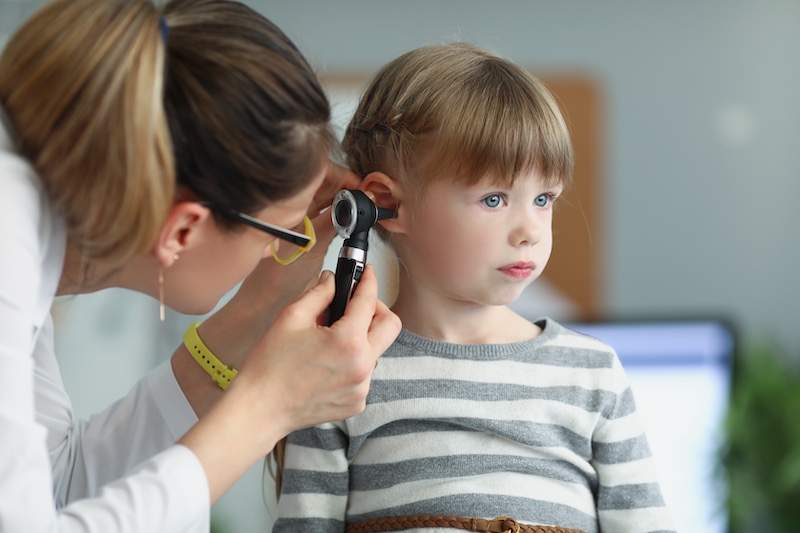
Blog Back Understanding Temporary Hearing Loss in Children June 11, 2025 Hearing plays a vital role in a child’s speech, language, and social development. So when a child experiences temporary hearing loss, it can be worrying for parents. Fortunately, many cases of hearing loss in children are short-lived and treatable with the right care. Understanding the common causes and signs can help you take the appropriate steps to support your child’s hearing health. Common Causes of Temporary Hearing Loss in Children Ear Infections (Otitis Media):Ear infections are one of the most common causes of temporary hearing loss in children. When fluid builds up behind the eardrum due to infection or inflammation, it can muffle sounds and reduce hearing. These infections often follow a cold or respiratory illness and are especially common in children under five Earwax Blockage (Cerumen Impaction):Although earwax is natural and protective, too much of it can build up and block the ear canal, leading to reduced hearing. Children may complain of a “full” feeling in the ear or difficulty hearing. Swimmer’s Ear (Otitis Externa):This infection of the outer ear canal often results from water trapped in the ear after swimming or bathing. Swimmer’s ear can cause swelling, pain, and muffled hearing in one or both ears. Eustachian Tube Dysfunction:The Eustachian tubes help equalize pressure in the middle ear. In children, these tubes are smaller and more prone to becoming blocked due to allergies, colds, or sinus infections. This blockage can lead to a sensation of “plugged ears” and temporary hearing loss. Foreign Objects in the Ear:Young children may sometimes insert small items like beads, food, or toy pieces into their ears. These objects can block the ear canal and affect hearing until they are safely removed by a medical professional. Common Symptoms to Watch ForTemporary hearing loss can be subtle, especially in young children who may not know how to express what they’re experiencing. Watch for signs such as: Speaking louder than usual Frequently saying “what?” or asking for repetition Turning up the volume on devices Difficulty following conversations or instructions Pulling at the ear or showing signs of discomfort Trouble with balance or coordination What to Do If You Suspect Hearing LossIf your child shows any signs of hearing difficulty, it’s important to act promptly. Start by observing their symptoms and noting whether the issue seems to affect one or both ears, and whether it came on suddenly or gradually. You should: Consult a pediatrician: A doctor can check for infections, earwax buildup, or other physical causes. Visit a hearing specialist: A hearing professional can perform more detailed testing. Avoid home remedies: Do not try to remove earwax or objects at home, as this can cause further damage. Most cases of temporary hearing loss in children resolve with treatment or time. However, early attention ensures that hearing returns to normal and that your child doesn’t fall behind in communication or development. For more information about temporary hearing loss in children, we welcome you to contact us today. Share :
How Listening to Audiobooks Can Improve Your Hearing

Blog Back How Listening to Audiobooks Can Improve Your Hearing May 21, 2025 When most people think about improving their hearing, they imagine hearing aids, doctor visits, or specialized therapy sessions. But did you know that something as simple and enjoyable as listening to audiobooks can actually help strengthen your auditory skills? Audiobooks aren’t just for entertainment—they can be a powerful tool for improving your hearing and processing abilities. In fact, many experts consider listening to audiobooks a form of auditory therapy. What Is Auditory Therapy?Auditory therapy refers to exercises and techniques that help retrain the brain to process sound more effectively. While it’s often used for people with hearing loss, it can benefit anyone who wants to sharpen their listening and comprehension skills. Audiobooks offer a convenient and accessible way to engage in this kind of training—no special equipment or appointments necessary. How Audiobooks Train Your BrainWhen you listen to an audiobook, your brain works hard to process the narrator’s voice, understand the words, and follow the story. This requires a high level of focus, especially if the narrator speaks quickly, uses accents, or incorporates different character voices. Over time, this practice strengthens your ability to: Recognize and distinguish sounds Follow conversations more easily Comprehend complex language or unfamiliar vocabulary Process speech in noisy environments Much like how you can train your muscles with regular exercise, your auditory system can be trained to become more responsive and efficient. Listening to audiobooks regularly encourages your brain to become more attuned to the subtleties of language and sound. Audiobooks and Linguistic ProcessingAnother benefit of listening to audiobooks is the improvement in linguistic processing, which is the brain’s ability to make sense of spoken language. When you listen to a story, your brain is constantly predicting, organizing, and interpreting what you hear. This enhances your vocabulary, understanding of sentence structure, and overall language fluency. This is especially helpful for those who may struggle with auditory comprehension or who are learning a new language. Audiobooks allow you to hear how words are pronounced in context, making it easier to retain and recall new information. Plus, you can replay sections if you need extra time to grasp what’s being said, which is a big advantage over real-time conversation. Tips for Getting StartedIf you’re new to audiobooks, here are a couple of helpful tips to make the experience smoother and more enjoyable: Start with simpler books: Choose stories with a single narrator, clear narration, a slower pace, and familiar vocabulary. Children’s books, memoirs, or light fiction are great places to begin. As your confidence grows, you can gradually move on to more complex material. Use Bluetooth hearing aids: If you use hearing aids with Bluetooth, connect them directly to your smartphone or tablet to listen to your audiobook. This helps deliver clearer sound straight to your ears and reduces background noise, making it easier to focus and follow along. Final ThoughtsWhile audiobooks might seem like just a form of entertainment, they actually offer meaningful cognitive and auditory benefits. By incorporating audiobooks into your daily routine, you can improve your auditory comprehension, enhance your language skills, and even train your brain to hear better in everyday situations. It’s a simple, enjoyable habit that offers lasting rewards for your hearing health. To learn more about how to improve your hearing, we invite you to contact our hearing office today. Share :
5 Tips for Talking to Your Parents About Hearing Loss and Hearing Aids

Blog Back 5 Tips for Talking to Your Parents About Hearing Loss and Hearing Aids May 14, 2025 For people who have not acknowledged to themselves that they are experiencing hearing loss, the topics of hearing loss and hearing aids can be sensitive. This can make a discussion with your parents, as they age and potentially experience hearing loss, a difficult one. You may have noticed your mom or dad asking people to repeat themselves more often, turning up the TV volume too loud, or withdrawing from conversations. While it may feel awkward to bring it up, addressing hearing loss early can significantly improve their quality of life. Here are 5 tips to help you approach the conversation with care, respect, and effectiveness. 1. Start with Empathy, Not JudgmentBegin the conversation from a place of concern and love rather than frustration. Avoid saying things like, “You never hear anything!” Instead, try something more compassionate, such as, “I’ve noticed you’ve been having trouble hearing lately, and I just want to make sure you’re okay.” Remember, hearing loss can be an emotional topic. Many older adults fear it as a sign of aging or decline. Acknowledge that it’s a common issue and nothing to be embarrassed about. Roughly one in three people between the ages of 65 and 74 experiences hearing loss, and it’s highly treatable. 2. Share Specific ExamplesGiving real-life examples can help your parent understand how hearing loss may be affecting their daily life. Maybe they didn’t hear the doorbell, missed an important phone call, or seemed disengaged during a family dinner. Gently sharing these instances can help them connect the dots. You might say, “Last weekend at dinner, I noticed you had a hard time following the conversation. I want you to be able to fully enjoy those moments with us.” 3. Offer to Help with Next StepsThe idea of getting hearing aids may feel overwhelming to your parent. Offer to help research audiologists, make appointments, or even go with them to their hearing test. Knowing they don’t have to do it alone can make a big difference. You could say, “Would you be open to seeing a hearing specialist? I can help you find someone and go with you if you’d like.” 4. Normalize Hearing AidsMany people still carry outdated ideas about hearing aids—that they’re bulky, obvious, or only for “old people.” Let them know that today’s hearing aids are discreet, smart, and highly customizable. Just as people wear glasses to improve their vision, hearing aids are simply tools to improve hearing. You might mention, “Lots of people wear hearing aids now—some even connect to smartphones. It’s really common and nothing to be ashamed of.” 5. Be Patient and Keep the Conversation OpenYour parent may not be ready to act right away, and that’s okay. Bringing up the issue is an important first step. Keep the conversation open and ongoing, showing continued support without pressure. Let them know, “Whenever you’re ready, I’m here to help.” Final ThoughtsTalking to your parents about hearing loss isn’t always easy, but it can lead to meaningful improvements in their health and happiness. With patience, empathy, and a proactive mindset, you can help them take the first step toward better hearing—and a fuller connection with the world around them. We welcome you to contact our hearing office today for more information. Share :
Why Your Ears Are Itchy
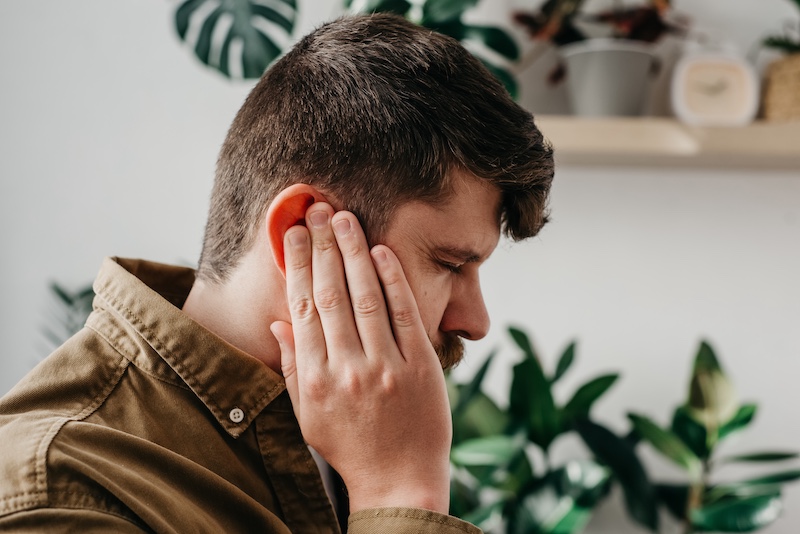
Blog Back Why Your Ears Are Itchy April 15, 2025 That persistent, ticklish feeling deep inside your ear can be incredibly frustrating. It’s an itch that often feels impossible to truly satisfy, leading to uncomfortable poking and prodding. But why do our ears itch in the first place? While it might seem like a minor annoyance, persistent ear itching can sometimes signal an underlying issue. Let’s explore some common causes and what you can do about that relentless scratch. The Usual Suspects: Common Causes of Itchy Ears Several everyday factors can lead to itchy ears: Dry Skin: Just like the skin on the rest of your body, the delicate skin lining your ear canal can become dry. This is especially common in dry climates or during winter months. The lack of natural oils can cause irritation and that familiar itchy sensation. Earwax Buildup: While earwax (cerumen) is a natural protector for your ear canal, excessive buildup can sometimes cause itching. It can trap moisture and debris, leading to irritation. However, it’s important to note that trying to remove earwax yourself with cotton swabs or other objects can often worsen the problem and even push the wax further in. Irritants and Allergies: Our ears are constantly exposed to the environment. Certain products like shampoos, soaps, hairsprays, or even earrings containing materials like nickel can irritate the sensitive skin inside the ear canal, leading to itching. Seasonal allergies, like hay fever, can also cause itchy ears as part of a broader allergic reaction. Minor Skin Conditions: Conditions like eczema or psoriasis can affect the skin inside the ear canal. This leads to inflammation, dryness, and, of course, itching. These conditions often manifest elsewhere on the body as well. Irritation from Hearing Aids or Earbuds: Hearing aids and earbuds can cause itching and may also worsen conditions like dermatitis. Parts of your hearing aids or earbuds may rub against the skin, and they also block the ear canal, which can lead to moisture buildup. In rare cases, some people are allergic to certain components of their hearing aids or earbuds. If you suspect that your hearing aids are causing itchy ears, be sure to seek help from your hearing aid specialist. When the Itch Signals Something More: Less Common Causes While the above are the most frequent culprits, persistent or severe ear itching could indicate a less common issue, such as: Ear Infections (Otitis Externa or Media): Both outer ear infections (swimmer’s ear) and middle ear infections can cause significant itching, along with other symptoms like pain, redness, and discharge. These infections often require medical attention. Fungal Infections (Otomycosis): In moist environments, fungi can sometimes grow in the ear canal, leading to intense itching, a feeling of fullness, and sometimes a musty odor or visible debris. Foreign Objects: Occasionally, small objects can get lodged in the ear canal, causing irritation and itching. Attempting to remove these yourself can be risky, so seeking professional help is recommended. So, What Can You Do About the Itch? Treatment Options The best way to address itchy ears depends entirely on the underlying cause. Here are some general guidelines and treatment options: Avoid Irritants: If you suspect a particular product is causing the itch, discontinue its use. Opt for gentle, fragrance-free soaps and shampoos. Be mindful of the materials in your earrings. Resist the Urge to Scratch: As tempting as it is, scratching can further irritate the delicate skin of your ears. This can potentially lead to breaks in the skin and increase the risk of infection. Gentle Outer Ear Cleaning: Keep the outer ear clean and dry. Avoid inserting anything into the ear canal, including cotton swabs, as this can push wax further in and cause injury. Moisturizing (with Caution): If dry skin is the culprit, a tiny amount of mineral oil or specially formulated ear drops (check with your doctor or pharmacist first) applied to the outer ear canal opening might provide some relief. Avoid putting excessive amounts of liquid in your ear. Over-the-Counter Allergy Relief: If allergies are suspected, antihistamines might help alleviate the itching, along with other allergy symptoms. Professional Help Is Key: For persistent or severe itching, especially if accompanied by pain, redness, discharge, or hearing changes, it’s crucial to consult a doctor or hearing specialist. They can properly diagnose the cause and recommend appropriate treatment, which might include prescription ear drops (antibiotic, antifungal, or steroid), professional earwax removal, or treatment for underlying skin conditions. The Bottom Line: While occasional ear itching might be harmless, persistent or bothersome itching shouldn’t be ignored. By understanding the potential causes and knowing when to seek professional help, you can effectively address that irritating itch and ensure the health and comfort of your ears. So, listen to your body, avoid the urge to scratch excessively, and don’t hesitate to seek medical advice when needed. To learn more about what to do if your ears are itchy or to set up an appointment with our hearing specialist, we encourage you to contact us today. Share :