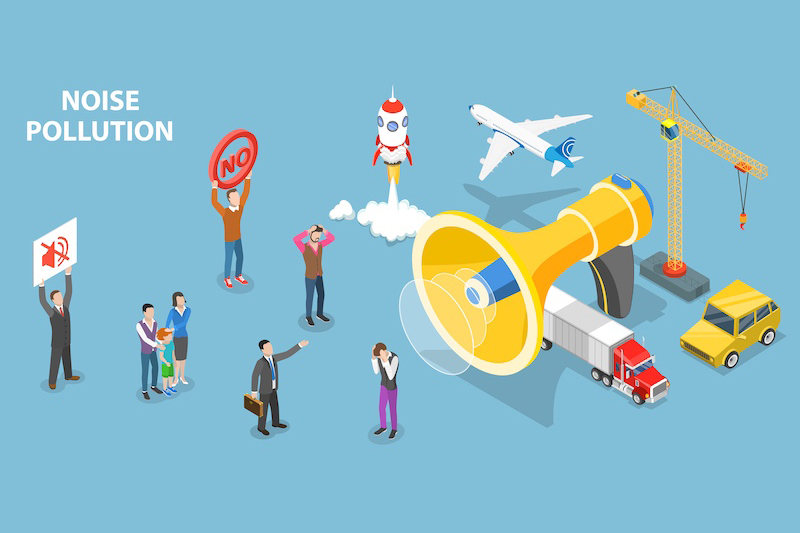
Blog Back Understanding Noise Pollution: Causes, Effects, and Solutions January 7, 2025 In our increasingly industrialized and urbanized world, noise pollution has become a significant concern. Defined as unwanted or excessive sound that disrupts the natural balance of the environment, noise pollution is more than just a nuisance; it’s a growing threat to human health and well-being, as well as the health of ecosystems. What Is Noise Pollution?Noise pollution occurs when sounds in the environment exceed normal levels, disrupting daily activities and causing adverse effects. Common sources include traffic, construction, industrial activities, loudspeakers, airplanes, and even household appliances. Unlike other forms of pollution, noise doesn’t accumulate in the environment over time, but its immediate impacts can be severe and far-reaching. Effects of Noise Pollution Health Impacts: Prolonged exposure to high noise levels can lead to hearing loss, stress, hypertension, sleep disturbances, and an increased risk of heart disease. Even short-term exposure can disrupt concentration and lead to irritability. Cognitive Development: For children, exposure to chronic noise can impair cognitive development, particularly affecting learning and memory. Schools near highways or airports often report lower academic performance due to constant noise. Wildlife: Animals are not immune to noise pollution. It interferes with their communication, mating rituals, and ability to detect predators. Marine life, in particular, is vulnerable due to noise from shipping and sonar activities. Community Impact: Noise pollution can erode community quality of life. It disrupts social interactions, reduces productivity, and creates tension among neighbors. How to Avoid and Mitigate Noise Pollution Urban Planning: Cities can implement better zoning laws to separate industrial zones from residential areas. Establishing green belts and buffer zones can also absorb and deflect noise. Technology: Soundproofing materials, quieter machinery, and electric vehicles can help reduce noise emissions. Noise barriers along highways and railways are another effective solution. Legislation: Governments play a crucial role in regulating noise levels. Imposing limits on construction hours, industrial operations, and public events can significantly reduce noise pollution. Community Actions: Individuals and communities can take steps to minimize noise. Simple actions like turning down the volume, fixing noisy appliances, and opting for quieter equipment make a difference. Personal Habits: Using noise-canceling headphones, planting trees around homes, and creating quiet zones in workplaces can help individuals manage noise exposure. You can also lower the volume on your own devices and wear earplugs when necessary to protect your hearing. A Call to ActionNoise pollution may not be as visible as air or water pollution, but its effects are just as detrimental. Addressing this issue requires collective effort from governments, industries, and individuals. By making thoughtful changes in urban design, adopting advanced technologies, and encouraging responsible behavior, we can create quieter, healthier spaces for all. As awareness of noise pollution grows, so does our ability to combat it effectively. A harmonious balance between development and tranquility is not only possible but essential for the well-being of current and future generations. For more information about noise pollution and how to avoid it, we invite you to contact our hearing office today. Share :
Category: Uncategorized
Hosting a Holiday Dinner for Guests with Hearing Loss

Blog Back Hosting a Holiday Dinner for Guests with Hearing Loss December 17, 2024 The holidays are a time for connection, laughter, and sharing meals with loved ones. However, for guests with hearing loss, navigating the typical bustling and noisy holiday environment can be overwhelming and isolating. As a host, you can make your gathering more inclusive and enjoyable with a few thoughtful adjustments. Here’s how to create a holiday dinner that welcomes everyone to the table. Create a Hearing-Friendly LayoutThe setup of your dining and social areas plays a crucial role in communication. Arrange seating in a way that promotes face-to-face interactions, such as a circular or square table, where everyone can see each other clearly. Avoid long tables where guests at opposite ends may struggle to hear. If possible, ensure the room is well-lit, as this helps those with hearing loss to lip-read and pick up on visual cues. Reduce Background NoiseBackground noise can be a significant barrier for individuals with hearing loss. Minimize distractions by keeping music or television at a low volume—or turning them off altogether during dinner. If you have a larger gathering, consider hosting it in a room with soft furnishings like carpets and curtains, which help absorb sound and reduce echo. For large groups, using a microphone or sound system for any speeches or announcements can also help everyone feel included. Set the Stage for Clear CommunicationEncourage guests to speak one at a time during conversations, especially at the dinner table. This not only makes it easier for everyone to follow the discussion, but also creates a more engaging and respectful environment. As the host, you can model this behavior and gently guide conversations to ensure no one is left out. Avoid talking over each other or across the room, as this can make it nearly impossible for someone with hearing loss to follow along. Provide Visual CuesIncorporate visual aids where possible. For instance, write out the evening’s menu on a chalkboard or print it for each guest. If you’re playing games, choose options that rely more on visuals than audio, such as charades or Pictionary. For group activities, be sure to explain rules clearly and ensure everyone is aware of any visual signals being used. Be Patient and InclusiveHearing loss can make social situations tiring, so create a relaxing environment where guests feel comfortable asking for accommodations or taking breaks. Check in with your guests discreetly to ensure they’re comfortable. Avoid shouting or exaggerating your speech, as this can make lip-reading more difficult. Instead, speak naturally and at a moderate pace. Consider Assistive TechnologyIf your guest uses hearing aids, they may benefit from assistive devices like personal amplifiers or loop systems that amplify sound. You can also explore apps that transcribe speech in real-time for smartphones or tablets. Being proactive about these options shows your dedication to making your event inclusive. Hosting a holiday dinner that’s friendly to those with hearing loss is all about thoughtful preparation and empathy. By creating a welcoming space where communication is easy and stress-free, you can ensure that all of your guests, regardless of their hearing abilities, feel valued and included. After all, the true spirit of the holidays lies in making memories together. For more information about making your holiday gatherings friendly to those with hearing loss, we welcome you to contact our hearing practice today. Share :
6 Thoughtful Gift Ideas for People with Hearing Loss

Blog Back 6 Thoughtful Gift Ideas for People with Hearing Loss December 10, 2024 Finding the perfect gift for a loved one with hearing loss can be an opportunity to offer something both meaningful and practical. Whether you’re looking for technology to enhance their everyday life or something to show you care about their unique experiences, there are plenty of options to choose from. Here’s a guide to thoughtful gift ideas tailored to people with hearing loss. Assistive Technology for Enhanced CommunicationModern technology offers incredible tools to improve communication for people with hearing loss. If your loved one with hearing loss does not already own one of these tools, they may enjoy receiving it as a gift. Personal Amplifiers: These portable devices amplify sounds, making conversations clearer, especially in noisy environments. Bluetooth Hearing Aid Accessories: Many hearing aids can connect to phones, TVs, and other devices via Bluetooth. Accessories like streaming adapters enhance this connectivity, making it easier to enjoy movies, phone calls, and music. Real-Time Captioning Apps or Devices: Gifts like live transcription services or apps (e.g., Otter.ai) can help with meetings, lectures, or casual conversations. Some standalone devices also provide instant captions for phone calls or in-person dialogue. Alarm Clocks and Alerting SystemsTraditional alarms often rely on sound, which may not be effective for those with hearing loss. Instead, consider: Vibrating Alarm Clocks: These devices feature bed shakers or flashing lights to wake users without sound. Alerting Systems: These systems pair with home appliances, such as doorbells or smoke detectors, to provide visual or vibrating alerts. These gifts offer both practicality and peace of mind. Books and Media About Hearing LossFor a more personal touch, consider books or media that celebrate or explore the experiences of people with hearing loss. Some options include: Memoirs and Stories: Books like Hear & Beyond by Shari Eberts and Gael Hannan offer valuable insights and relatable stories. Hearing-Friendly Films and Documentaries: A curated collection of movies or shows with excellent captions or themes related to hearing loss can be a unique gift. Stylish and Functional AccessoriesHearing aids and cochlear implants are essential tools, but they don’t have to be boring! Consider accessories that add flair and personality: Decorative Hearing Aid Skins or Charms: Fun, colorful skins or charms allow users to express their style. Customized Cases: Protective and stylish cases for hearing aids or implants make a thoughtful and practical gift. Relaxation and Comfort GiftsPeople with hearing loss may experience “listening fatigue” from the extra effort required to understand conversations. Help them unwind with gifts like: Noise-Canceling Headphones: Perfect for enjoying music or audiobooks without interruption. Spa Kits or Massagers: These can help soothe tension and promote relaxation after a long day. Experiences and Community ConnectionsSometimes, the best gifts aren’t things but experiences: Sign Language Classes: If your loved one uses sign language, consider taking a class together to improve communication and show your support. Tickets to Captioned Performances: Many theaters and venues offer captioned or interpreted shows for people with hearing loss. When selecting a gift, consider the recipient’s lifestyle, preferences, and needs. A thoughtful gift that acknowledges their experiences and enhances their life is sure to be appreciated. With the right choice, you’ll not only bring joy to their holiday season but also show how much you care. We welcome you to contact our hearing practice today for more information about gifts for those with hearing loss. Share :
Understanding Decibels: Protecting Your Ears and Knowing the Impact of Sound
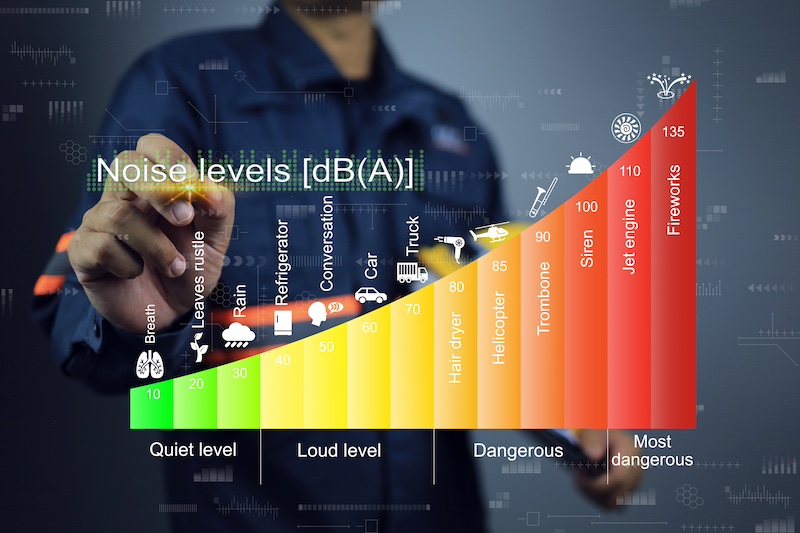
Blog Back Understanding Decibels: Protecting Your Ears and Knowing the Impact of Sound November 19, 2024 In our daily lives, we encounter a wide range of sounds—from the quiet rustle of leaves to the roar of city traffic or a booming concert. While we may not always notice the intensity of these sounds, their loudness is measured on a scale called decibels (dB). Decibels not only gauge the volume of sounds around us, but they also play a crucial role in understanding the risks that high noise levels pose to our hearing. Exposure to sounds above certain decibel levels can lead to permanent hearing damage, making it essential to know where common sounds fall on the scale and how to protect ourselves. In this post, we’ll explore what decibels are, how volume can impact our hearing, and practical ways to safeguard our ears in an increasingly noisy world. What Is a Decibel?A decibel (dB) is a unit that measures the intensity or loudness of sound. The decibel scale is logarithmic, meaning that each increase of 10 decibels represents a tenfold increase in sound intensity. For instance, a sound at 20 dB is 10 times more intense than a sound at 10 dB, and a sound at 30 dB is 100 times more intense than one at 10 dB. This scale helps us understand how different sounds can affect our hearing and, when levels become too high, how they can cause damage. Decibels and Volume: How Loud Is Too Loud?To put decibels in perspective, common sound levels include: Whispering: ~30 dB Normal conversation: ~60 dB City traffic: ~85 dB Concerts or sporting events: ~100-110 dB Jet engine takeoff: ~140 dB Sounds at or below 70 dB are generally safe for long exposure, but prolonged exposure to sounds above 85 dB can cause hearing damage. The higher the decibel level, the shorter the time you can safely be exposed. For example, listening to sounds at 90 dB, such as a lawn mower, can start to damage your hearing after just two hours. At 100 dB, such as a loud concert, hearing damage can occur within 15 minutes. Sounds over 120 dB can cause immediate harm to your ears, even with brief exposure. Decibels and Hearing LossHearing loss due to high decibel exposure is called noise-induced hearing loss (NIHL). This can occur when sound damages the delicate hair cells in the inner ear, which transmit sound signals to the brain. Unlike some types of cells in our body, these hair cells do not regenerate, so once they’re damaged, the hearing loss is often permanent.NIHL is not limited to one loud event; it can happen gradually with repeated exposure to sounds above 85 dB. Symptoms of noise-induced hearing loss include difficulty hearing conversations, ringing in the ears (tinnitus), and muffled sounds. According to the CDC, about 40 million adults in the U.S. experience some degree of NIHL. Awareness and Prevention: Protecting Your HearingBeing mindful of decibel levels is key to protecting your hearing. Here are some simple steps to help: Know the Noise Level:Use apps or devices that measure dB levels in your environment. Many smartphones now have apps that can give a rough estimate of decibel levels, allowing you to understand when sounds are reaching potentially damaging levels. Some devices, such as smart watches, can also give alerts when noises reach a dangerous level. Limit Exposure:If you’re in a noisy environment, try to limit your time there. For instance, at a concert, taking periodic breaks or moving away from the speakers can reduce exposure. Use Ear Protection:Earplugs or noise-canceling headphones can lower the decibel levels reaching your ear. Specialty earplugs are available for musicians, concertgoers, and even those who work in noisy environments. Keep Volume Levels Safe:Many people unknowingly damage their hearing by listening to music at high volumes through headphones. Aim to keep the volume under 60% and limit listening sessions to 60 minutes at a time, known as the “60/60 rule.” Understanding decibels and their impact on hearing is crucial for maintaining long-term hearing health. By taking proactive steps, you can prevent unnecessary hearing loss and enjoy the sounds you love safely. Remember, hearing loss from loud noises is often gradual and permanent, so protecting your ears now can make a huge difference later on. For more information about decibels and how to protect your hearing, we welcome you to contact our practice today. Share :
Does Hearing Loss Have A Connection To Diabetes?

Blog Back Does Hearing Loss Have A Connection To Diabetes? November 14, 2024 The human body is amazing. One of the intriguing aspects of how the body works is that everything is connected—and one part affects all of the other parts. Researchers are still learning new ways that various body systems are connected. One connection you may not know about is that hearing loss and diabetes are linked. Here’s how.How diabetes can contribute to hearing lossResearchers believe that high blood glucose levels from untreated or poorly managed diabetes can weaken the ear’s blood vessels, as well as the nerve cells (or “hair cells”) in the inner ear. The hair cells rely on good blood circulation, just like other parts of your body. Once the hair cells are damaged or die, your hearing is permanently affected.Although most people are not aware of the connection between diabetes and hearing loss, studies make it clear that both conditions are common and often go hand-in-hand. One study by the National Institutes of Health revealed that people with diabetes are more than twice as likely to have mild to moderate high-frequency hearing loss than those without diabetes.This finding was confirmed by researchers who conducted a meta-analysis of 13 studies involving more than 20,000 participants. They found that diabetics are more likely to have hearing loss than those without the disease, regardless of age.How diabetes and balance are connectedDiabetes can affect your balance as well. This is because diabetes can damage small blood vessels in your inner ear and your vestibular system, which is the part of your ear that helps with balance. As a result, you may be at a greater risk for dizziness and falls.How to protect your hearingWhile you cannot stop the connection between diabetes and hearing loss, you can do your part to manage your diabetes and protect your hearing. Here are a few ways you can do so: Control the ABCs of diabetes. These are three key steps to managing your diabetes that can help to lower your risk for heart attack and stroke. Well-controlled diabetes can also lower your risk for hearing loss. Become educated about diabetes. Learning how to control your blood sugar, how to get healthy exercise, and how to eat right can all be helpful in managing your diabetes and preventing associated conditions like hearing loss. Get your hearing tested annually. This is a good idea even if you do not have diabetes. Maintain a healthy weight. Extra weight makes it more difficult for your heart to effectively pump blood throughout your body and provide good circulation, including to your ears. Get active. Even a moderate amount of daily exercise can help to improve circulation and blood flow. Speak with your doctor about what type of exercise is right for you. Protect your ears from excessive noise. If you are in a loud environment like a concert, working with machinery, doing yardwork, or other places where noise may be excessive, wear protective headphones or earplugs. Turn down the volume of the television, car radio, and personal listening devices. Taking these steps can help you control your diabetes and lower the risk of hearing loss. For more information about the connection between diabetes and hearing loss, we welcome you to contact our practice today. Share :
6 Tips for Sleeping Better with Tinnitus
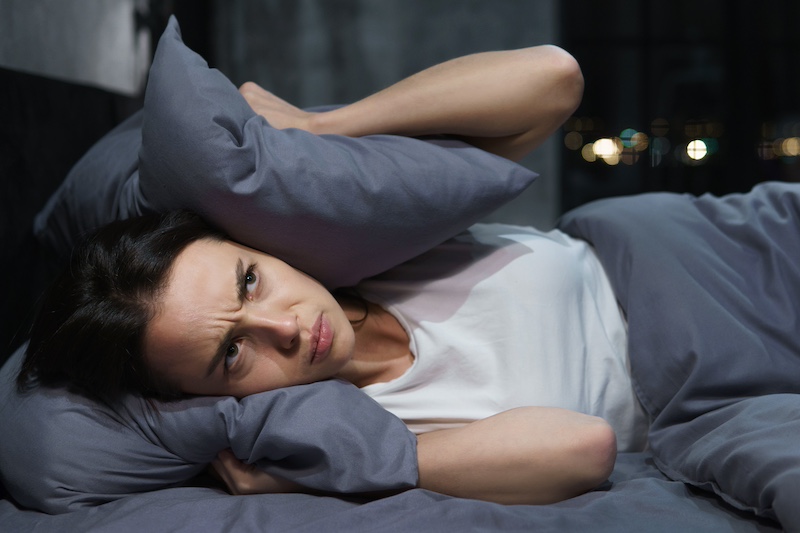
Blog Back 6 Tips for Sleeping Better with Tinnitus November 12, 2024 Tinnitus, commonly described as a persistent ringing, buzzing, or hissing sound in the ears, can make falling and staying asleep a challenge. This ongoing noise, often more noticeable in quiet environments, can interfere with relaxation and make it difficult for those affected to get a good night’s sleep. However, there are strategies that can help you manage tinnitus and improve your sleep quality. Create a Relaxing Bedtime RoutineBuilding a calming bedtime routine is essential, as stress can exacerbate tinnitus symptoms. Engage in relaxing activities like reading, gentle stretching, or taking a warm bath before bed. Try to avoid stimulating activities, such as intense exercise, work, or screen time in the hour leading up to sleep. Establishing a routine that helps you unwind can signal to your body that it’s time for sleep, making it easier to fall asleep despite the noise. Use Sound Therapy or White NoiseFor many people with tinnitus, the ringing is more pronounced in quiet settings. Sound therapy can mask the tinnitus sounds and create a more soothing sleep environment. White noise machines, calming nature sounds, or ambient music can help “drown out” the ringing, providing a consistent background sound that makes it easier to relax.Experiment with different types of sound to find what works best for you. Some people prefer natural sounds like rain or ocean waves, while others benefit from consistent white or pink noise. You can find sound machines designed specifically for tinnitus, or download a sound therapy app to your smartphone. Just be sure to keep the volume low, so the sound is comforting rather than disruptive. Practice Mindfulness and Relaxation TechniquesStress and anxiety can worsen tinnitus, especially when trying to fall asleep. Mindfulness meditation and relaxation exercises, such as deep breathing, progressive muscle relaxation, or guided imagery, can help quiet your mind and reduce stress. These techniques encourage your body to enter a state of relaxation, which can ease the impact of tinnitus and make it easier to fall asleep.One simple method is to practice deep breathing by inhaling for a count of four, holding for four, and exhaling for four. Repeat this pattern for several minutes, focusing on the breath to shift attention away from the ringing in your ears. Adjust Your Sleep EnvironmentCreating an optimal sleep environment can make a significant difference in how well you rest with tinnitus. Keep your bedroom cool, dark, and quiet (aside from any intentional background sound you choose). Invest in a comfortable mattress and pillows, and eliminate sources of light or distractions.Consider using blackout curtains or an eye mask if light is an issue. If you find it difficult to achieve a completely dark room, dimming any electronics can also help reduce potential distractions. Limit Caffeine and Alcohol Intake:Caffeine and alcohol can worsen tinnitus and interfere with sleep. Caffeine stimulates the nervous system, making it harder to relax, while alcohol can disrupt sleep quality and heighten tinnitus symptoms. Try to avoid caffeine after the early afternoon and limit alcohol intake, especially before bed. Seek Professional Help if NeededIf tinnitus continues to disrupt your sleep despite trying these strategies, consider consulting a healthcare professional. An audiologist or hearing specialist can assess your tinnitus and recommend treatment options, including cognitive behavioral therapy (CBT) for tinnitus, which has been shown to improve sleep quality in many people.Though tinnitus can make sleep challenging, following these steps can help you find relief and rest more comfortably. With time, a tailored bedtime routine, sound therapy, and relaxation practices can make a noticeable difference. Remember, restful sleep is crucial for managing tinnitus effectively, so it’s worth the effort to make these adjustments for better sleep.We invite you to contact our hearing practice today to learn more about how to sleep better with tinnitus. Share :