
How Long Do Hearing Aids Last?
- November 18, 2025
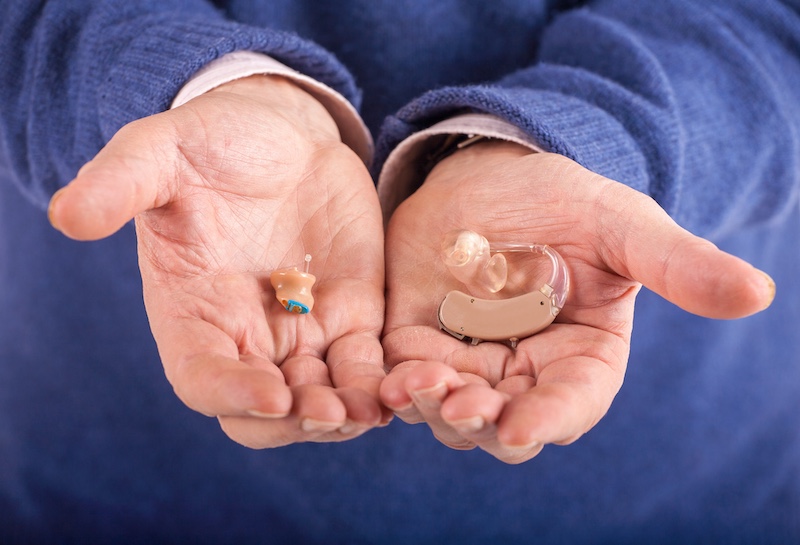
If you wear hearing aids or are considering getting them, you might wonder how long they’ll last before needing to be replaced. Like most modern technology, hearing aids are built to be durable and reliable, but they don’t last forever. On average, most hearing aids last about five years. Their actual lifespan depends on several factors, including maintenance, daily use, and technological advancements.
Let’s take a closer look at what influences hearing aid longevity and how you can help yours last as long as possible.
The Average Lifespan of Hearing Aids
Most high-quality hearing aids are designed to function well for approxmately five years, and sometimes can last up to seven years with good maintenance. In some cases, hearing aids may need replacement sooner due to wear and tear or changes in your hearing.
The materials used, the environment in which you wear them, and how well you maintain them all affect their durability. For example, behind-the-ear (BTE) styles often last a bit longer than smaller, completely-in-canal (CIC) styles because their components are slightly larger and more protected.
Factors That Affect Hearing Aid Longevity
- Daily Use and Environment: Hearing aids are exposed to moisture, earwax, oils, and dust every day. If you live in a humid or dusty climate, or if you engage in activities where you sweat frequently, your hearing aids may wear out faster.
- Maintenance and Care: Regular cleaning and professional check-ups make a big difference. Removing earwax buildup, storing hearing aids in a dry place, and having them serviced by your hearing provider can extend their life.
- Technology Updates: Even if your hearing aids are still working, you might choose to upgrade sooner to benefit from new features like improved noise reduction, rechargeable batteries, or Bluetooth connectivity. Many patients replace their devices after about five years simply to enjoy the latest technology.
- Changes in Hearing or Health: Your hearing can change over time. If your current hearing aids no longer meet your hearing needs, your hearing specialist may recommend an adjustment or replacement.
Signs It Might Be Time for New Hearing Aids
You may want to consider replacing your hearing aids if you notice:
- More frequent repairs or inconsistent performance
- Difficulty understanding speech, even with your devices
- Shorter battery life than before
- Outdated features that no longer fit your lifestyle
If you’re unsure whether your hearing aids need replacing, your hearing specialist can evaluate their performance and recommend the best next steps.
4. Tips to Make Your Hearing Aids Last Longer
- Clean them daily with a soft, dry cloth.
- Avoid exposure to moisture—remove them before showering or swimming.
- Store them in a dry box or dehumidifier overnight.
- Schedule regular professional cleanings and performance checks.
In Summary
While most hearing aids last around five years, proper care and maintenance can extend their lifespan. Regular check-ups with your hearing provider not only keep your devices working their best, but also ensure that your hearing needs are being met as they change over time.
If your hearing aids are showing signs of wear or it’s been several years since your last update, we invite you to contact our practice today. We are here to meet your needs.

We’ve been serving the Southern Connecticut community for over 30 years and aim to make the road to better hearing an easy and comfortable one.

Delray Beach Office
Opening Hours:
Hours of Operation – Hours are by Appointment Only
Milford office
Monday and Wednesday 10:00 AM – 4:30PM
East Haven office
Monday, Tuesday and Thursday 9:00AM – 5:00PM
Location Map
Copyright © 2026 Hearing Health Care Associates. All rights reserved.
