
How Altitude Affects Your Ears
- July 20, 2026
How Altitude Affects Your Ears
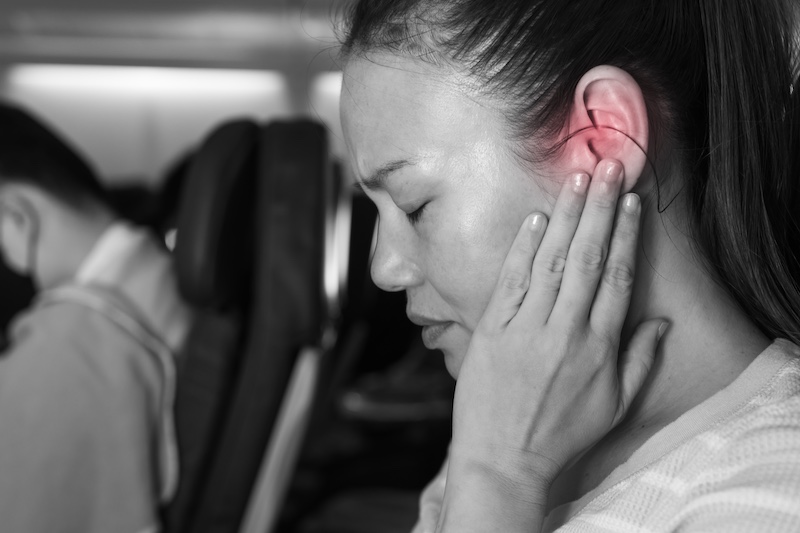
Have you ever noticed your ears popping during an airplane flight, while driving through the mountains, or even riding a fast elevator? For some people, these changes cause only a brief sensation. For others, they can lead to ear pain, muffled hearing, or a feeling of pressure that lasts much longer. Understanding why this happens can help you protect your ears and make altitude changes more comfortable. In this blog post, we will discuss the effects that altitude changes have on your ears and how to manage the discomfort.
Why Altitude Affects Your Ears
Your middle ear is an air-filled space located behind your eardrum. It connects to the back of your nose and throat through a small passage called the Eustachian tube. This tube’s job is to equalize air pressure on both sides of the eardrum.
When you quickly gain or lose altitude, such as during takeoff or landing on an airplane, the air pressure around you changes faster than your ears can adjust. If the Eustachian tube doesn’t open properly, pressure builds up in the middle ear. This difference in pressure can cause your ears to feel full, muffled, or painful until the pressure is equalized.
The popping sound you hear is actually a good sign; it usually means the Eustachian tube has opened and the pressure has balanced.
Why Some People Experience More Discomfort
Anyone can experience ear pressure during altitude changes, but certain conditions make it more likely. You may have more difficulty if you have:
- A cold or sinus infection
- Seasonal allergies
- Nasal congestion
- An ear infection
- Naturally narrow or blocked Eustachian tubes
Children are also more prone to ear discomfort because their Eustachian tubes are smaller and do not function as efficiently as those of adults.
Tips to Make Altitude Changes More Comfortable
Fortunately, there are several simple ways to help your ears adjust to changing pressure. These include:
- Swallow frequently. Swallowing activates the muscles that open the Eustachian tubes. Sipping water or sucking on hard candy can help.
- Chew gum. The repeated chewing motion encourages pressure equalization.
- Yawn intentionally. Even a fake yawn can help open the Eustachian tubes.
- Try the Valsalva maneuver. Gently pinch your nose closed, keep your mouth shut, and blow softly as though you’re trying to exhale through your nose. Avoid blowing too forcefully, which can injure the ear.
- Stay hydrated. Drinking plenty of water helps keep the tissues in your nose and throat healthy.
- Use a nasal decongestant if appropriate. If you’re congested from allergies or a cold, using a decongestant nasal spray shortly before flying may help. Always follow the directions and consult your healthcare provider if you have questions.
- Don’t sleep during airplane descent. Staying awake allows you to swallow, yawn, and actively equalize pressure during the time when ear discomfort is most common.
When to Seek Professional Care
Most ear pressure resolves within a few minutes or hours after the altitude change. However, you should schedule an evaluation if you experience severe ear pain, hearing loss that doesn’t improve, dizziness, drainage from the ear, or pressure that lasts for several days.
Persistent symptoms may indicate Eustachian tube dysfunction, fluid behind the eardrum, an ear infection, or another condition that requires treatment.
Protect Your Hearing During Travel
Occasional ear popping during altitude changes is perfectly normal, but ongoing pain or muffled hearing is not something you should ignore. If you frequently experience ear discomfort when flying or traveling through higher elevations, a hearing professional can evaluate your ears, identify the cause, and recommend the most effective treatment.
Whether you’re planning your next vacation or simply commuting through the mountains, taking a few simple steps can help keep your ears comfortable so you can focus on enjoying the journey. To learn more, we welcome you to contact us today.

We’ve been serving the Southern Connecticut community for over 30 years and aim to make the road to better hearing an easy and comfortable one.

Delray Beach Office
Opening Hours:
Hours of Operation – Hours are by Appointment Only
Milford office
Monday and Wednesday 10:00 AM – 4:30PM
East Haven office
Monday, Tuesday and Thursday 9:00AM – 5:00PM
Location Map
Copyright © 2026 Hearing Health Care Associates. All rights reserved.
