
Blog Back Does Hearing Loss Have A Connection To Diabetes? November 14, 2024 The human body is amazing. One of the intriguing aspects of how the body works is that everything is connected—and one part affects all of the other parts. Researchers are still learning new ways that various body systems are connected. One connection you may not know about is that hearing loss and diabetes are linked. Here’s how.How diabetes can contribute to hearing lossResearchers believe that high blood glucose levels from untreated or poorly managed diabetes can weaken the ear’s blood vessels, as well as the nerve cells (or “hair cells”) in the inner ear. The hair cells rely on good blood circulation, just like other parts of your body. Once the hair cells are damaged or die, your hearing is permanently affected.Although most people are not aware of the connection between diabetes and hearing loss, studies make it clear that both conditions are common and often go hand-in-hand. One study by the National Institutes of Health revealed that people with diabetes are more than twice as likely to have mild to moderate high-frequency hearing loss than those without diabetes.This finding was confirmed by researchers who conducted a meta-analysis of 13 studies involving more than 20,000 participants. They found that diabetics are more likely to have hearing loss than those without the disease, regardless of age.How diabetes and balance are connectedDiabetes can affect your balance as well. This is because diabetes can damage small blood vessels in your inner ear and your vestibular system, which is the part of your ear that helps with balance. As a result, you may be at a greater risk for dizziness and falls.How to protect your hearingWhile you cannot stop the connection between diabetes and hearing loss, you can do your part to manage your diabetes and protect your hearing. Here are a few ways you can do so: Control the ABCs of diabetes. These are three key steps to managing your diabetes that can help to lower your risk for heart attack and stroke. Well-controlled diabetes can also lower your risk for hearing loss. Become educated about diabetes. Learning how to control your blood sugar, how to get healthy exercise, and how to eat right can all be helpful in managing your diabetes and preventing associated conditions like hearing loss. Get your hearing tested annually. This is a good idea even if you do not have diabetes. Maintain a healthy weight. Extra weight makes it more difficult for your heart to effectively pump blood throughout your body and provide good circulation, including to your ears. Get active. Even a moderate amount of daily exercise can help to improve circulation and blood flow. Speak with your doctor about what type of exercise is right for you. Protect your ears from excessive noise. If you are in a loud environment like a concert, working with machinery, doing yardwork, or other places where noise may be excessive, wear protective headphones or earplugs. Turn down the volume of the television, car radio, and personal listening devices. Taking these steps can help you control your diabetes and lower the risk of hearing loss. For more information about the connection between diabetes and hearing loss, we welcome you to contact our practice today. Share :
Author: sitemanager
6 Tips for Sleeping Better with Tinnitus

Blog Back 6 Tips for Sleeping Better with Tinnitus November 12, 2024 Tinnitus, commonly described as a persistent ringing, buzzing, or hissing sound in the ears, can make falling and staying asleep a challenge. This ongoing noise, often more noticeable in quiet environments, can interfere with relaxation and make it difficult for those affected to get a good night’s sleep. However, there are strategies that can help you manage tinnitus and improve your sleep quality. Create a Relaxing Bedtime RoutineBuilding a calming bedtime routine is essential, as stress can exacerbate tinnitus symptoms. Engage in relaxing activities like reading, gentle stretching, or taking a warm bath before bed. Try to avoid stimulating activities, such as intense exercise, work, or screen time in the hour leading up to sleep. Establishing a routine that helps you unwind can signal to your body that it’s time for sleep, making it easier to fall asleep despite the noise. Use Sound Therapy or White NoiseFor many people with tinnitus, the ringing is more pronounced in quiet settings. Sound therapy can mask the tinnitus sounds and create a more soothing sleep environment. White noise machines, calming nature sounds, or ambient music can help “drown out” the ringing, providing a consistent background sound that makes it easier to relax.Experiment with different types of sound to find what works best for you. Some people prefer natural sounds like rain or ocean waves, while others benefit from consistent white or pink noise. You can find sound machines designed specifically for tinnitus, or download a sound therapy app to your smartphone. Just be sure to keep the volume low, so the sound is comforting rather than disruptive. Practice Mindfulness and Relaxation TechniquesStress and anxiety can worsen tinnitus, especially when trying to fall asleep. Mindfulness meditation and relaxation exercises, such as deep breathing, progressive muscle relaxation, or guided imagery, can help quiet your mind and reduce stress. These techniques encourage your body to enter a state of relaxation, which can ease the impact of tinnitus and make it easier to fall asleep.One simple method is to practice deep breathing by inhaling for a count of four, holding for four, and exhaling for four. Repeat this pattern for several minutes, focusing on the breath to shift attention away from the ringing in your ears. Adjust Your Sleep EnvironmentCreating an optimal sleep environment can make a significant difference in how well you rest with tinnitus. Keep your bedroom cool, dark, and quiet (aside from any intentional background sound you choose). Invest in a comfortable mattress and pillows, and eliminate sources of light or distractions.Consider using blackout curtains or an eye mask if light is an issue. If you find it difficult to achieve a completely dark room, dimming any electronics can also help reduce potential distractions. Limit Caffeine and Alcohol Intake:Caffeine and alcohol can worsen tinnitus and interfere with sleep. Caffeine stimulates the nervous system, making it harder to relax, while alcohol can disrupt sleep quality and heighten tinnitus symptoms. Try to avoid caffeine after the early afternoon and limit alcohol intake, especially before bed. Seek Professional Help if NeededIf tinnitus continues to disrupt your sleep despite trying these strategies, consider consulting a healthcare professional. An audiologist or hearing specialist can assess your tinnitus and recommend treatment options, including cognitive behavioral therapy (CBT) for tinnitus, which has been shown to improve sleep quality in many people.Though tinnitus can make sleep challenging, following these steps can help you find relief and rest more comfortably. With time, a tailored bedtime routine, sound therapy, and relaxation practices can make a noticeable difference. Remember, restful sleep is crucial for managing tinnitus effectively, so it’s worth the effort to make these adjustments for better sleep.We invite you to contact our hearing practice today to learn more about how to sleep better with tinnitus. Share :
The Connection Between Hearing Loss and Cancer Treatment

Blog Back The Connection Between Hearing Loss and Cancer Treatment October 15, 2024 Cancer treatments, while life-saving, often come with a range of side effects. One side effect that is not commonly discussed is hearing loss. Whether you or a loved one is going through cancer treatment, it’s important to be aware of this connection so you can take proactive steps to protect your hearing and maintain quality of life. Here’s a closer look at how cancer treatments, particularly chemotherapy and radiation, can impact hearing, and what you can do about it. How Cancer Treatments Cause Hearing LossCertain cancer treatments, especially chemotherapy drugs and radiation therapy, have been linked to hearing loss. The primary culprits are a group of chemotherapy drugs known as platinum-based compounds, such as cisplatin and carboplatin. These drugs are highly effective at targeting and destroying cancer cells but can also damage the delicate cells within the inner ear. This damage is called ototoxicity, and it can lead to temporary or permanent hearing loss, as well as tinnitus (ringing in the ears) and balance issues. Radiation therapy, particularly when it is used to treat head and neck cancers, can also affect hearing. Radiation can damage the auditory nerve, inner ear structures, and the small bones in the ear. The risk of hearing loss increases with the dose and duration of radiation exposure. Types of Hearing Loss Linked to Cancer TreatmentThe hearing loss associated with cancer treatments can be sensorineural, meaning it affects the inner ear or auditory nerve. This type of hearing loss can range from mild to profound and often impacts the ability to hear high-pitched sounds, such as children’s voices or birds chirping. In many cases, the hearing loss is gradual and may go unnoticed until it becomes significant. Hearing loss can also develop as a result of other side effects of treatment, such as infections, fluid buildup in the ear, or general weakness of the immune system. Recognizing the Signs of Hearing Loss During TreatmentIt’s important to monitor your hearing during cancer treatment, especially if you’re receiving platinum-based chemotherapy or radiation to the head or neck. Early detection can lead to early intervention and better outcomes. Signs of hearing loss to watch for include: Difficulty understanding conversations, especially in noisy environments Asking people to repeat themselves more often than usual Ringing, buzzing, or hissing sounds in your ears (tinnitus) Trouble hearing high-pitched sounds, such as a phone ringing or the voices of women and children If you notice any of these signs, report them to your healthcare team immediately. Protecting Your Hearing During Cancer TreatmentWhile some degree of hearing loss may be unavoidable during certain cancer treatments, there are steps you can take to minimize the risk: Hearing tests: Ask your doctor for a baseline hearing test before starting treatment and request regular follow-up tests to monitor any changes in your hearing. Ototoxicity monitoring: Work with your oncology team to consider dose adjustments or alternative medications if you’re at a high risk of hearing loss. Ear protection: If you’re receiving radiation near your ears, your doctor may suggest ear protection to reduce exposure. What to Do If You Experience Hearing LossIf you develop hearing loss during cancer treatment, early intervention is key. Treatments such as hearing aids, cochlear implants, or other assistive devices can help you maintain your quality of life. Audiologists who specialize in cancer-related hearing loss can guide you through the best options for your situation. Hearing loss is an often-overlooked side effect of cancer treatment, particularly with platinum-based chemotherapy and radiation therapy. Recognizing the signs early and working closely with your healthcare team can help protect your hearing. Taking proactive steps, such as regular hearing tests and discussing potential risks with your oncologist, can empower you to manage this potential side effect and maintain your quality of life during and after treatment. For more information about the connection between cancer treatment and hearing loss, we welcome you to contact our hearing practice today. Share :
How to Comfortably and Securely Wear Hearing Aids and Eyeglasses Together
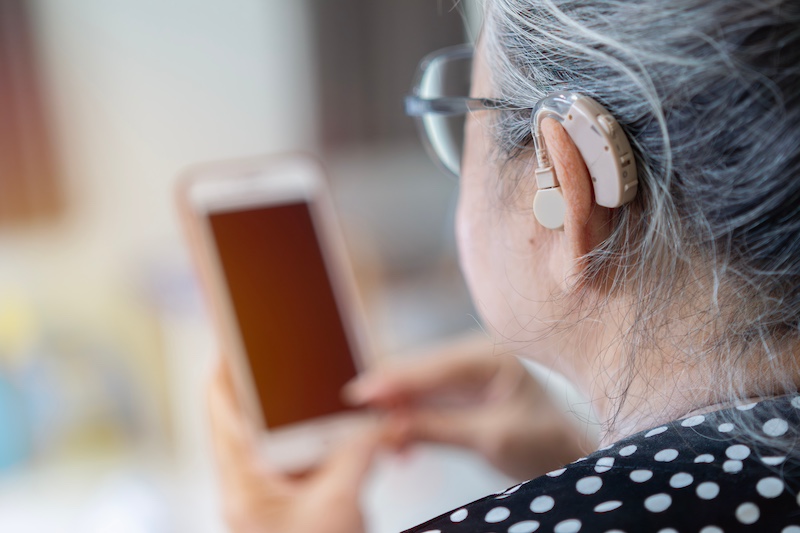
Blog Back How to Comfortably and Securely Wear Hearing Aids and Eyeglasses Together October 8, 2024 If you wear both hearing aids and eyeglasses, you may find it tricky to balance comfort and security with both devices on your ears. The good news is, with the right approach, you can wear hearing aids and glasses together without discomfort or the fear of them falling off. Below are some helpful tips on how to achieve the perfect balance between the two. 1. Choose the Right Style of Hearing AidThere are different styles of hearing aids, and some work better with glasses than others. For example, behind-the-ear (BTE) hearing aids, which sit behind the ear and have a tube that directs sound into the ear canal, may seem difficult to wear with glasses, but with proper positioning, they can work seamlessly. On the other hand, in-the-ear (ITE) or in-the-canal (ITC) hearing aids sit within the ear canal and are a great option for those who want less interference with their glasses. If you’re getting hearing aids for the first time and you also wear glasses, consider discussing these options with your audiologist. They can help you select a style that complements your eyewear and lifestyle. 2. Adjust Your Glasses and Hearing Aids ProperlyThe placement of both devices is crucial. Typically, glasses should rest on the top of your ears, with the arms going over the hearing aid if you wear BTE hearing aids. It’s important to ensure that your glasses fit properly; a too-tight fit can cause discomfort or even dislodge your hearing aids. Here are some quick adjustments to try: Adjust the arms of your glasses: Have your optometrist or eyeglass provider adjust the arms so they sit comfortably above your hearing aids without causing pressure. Wear soft, flexible ear hooks or grips: These can help keep both your hearing aids and glasses securely in place. 3. Use Glasses-Friendly Hearing Aid AccessoriesHearing aid manufacturers often create accessories designed to make wearing hearing aids with glasses more comfortable. For instance, ear grips or retainers can help keep hearing aids in place, reducing the risk of them moving or being dislodged when you adjust your glasses. Additionally, hearing aid clips can add extra security, especially if you’re active or worried about losing your hearing aids. 4. Practice Proper MaintenanceEnsuring that both your hearing aids and glasses are in good condition will enhance your comfort. Keep your hearing aids clean and free of any buildup that might cause discomfort. Likewise, make sure your glasses are well-maintained and free from damage that could affect their fit. Regular checkups with both your audiologist and your optometrist can help keep your devices in good working order and ensure proper fit. If you’re feeling discomfort from either, don’t hesitate to ask for adjustments. 5. Take Time to Get Used to the CombinationWearing both hearing aids and glasses together might feel a bit awkward at first, especially if you’re new to either device. Give yourself time to adjust, and don’t hesitate to experiment with different placements and adjustments. Over time, it will become second nature to wear both comfortably. Wearing hearing aids and glasses together can be done comfortably and securely with the right strategies. Focus on finding the best hearing aid style, adjusting the fit of your glasses, and utilizing helpful accessories. With a bit of care and patience, you can enjoy improved hearing and vision without sacrificing comfort! We invite you to contact our hearing practice today to learn more about how to wear hearing aids and eyeglasses together. Share :
Coping with Grief Due to Hearing Loss: Understanding and Healing

Blog Back Coping with Grief Due to Hearing Loss: Understanding and Healing September 17, 2024 Hearing loss is a deeply personal and often life-altering experience that can evoke a profound sense of grief. It is not just the physical loss of sound but the emotional, social, and psychological effects that accompany it. Whether the hearing loss is sudden or gradual, it can trigger a grieving process similar to what one might experience when dealing with other significant losses in life. Understanding Grief in Hearing LossGrief is a natural response to any kind of loss, and hearing loss is no exception. It can feel like losing a vital connection to the world—communication, music, laughter, and the everyday sounds of life. This sense of loss can affect every aspect of a person’s life, from relationships and social interactions to work and personal identity. The grieving process associated with hearing loss often mirrors the stages of grief described by psychologist Elisabeth Kübler-Ross: denial, anger, bargaining, depression, and acceptance. However, not everyone experiences these stages in the same order, and some may revisit certain stages multiple times. Denial: In this stage, individuals may struggle to accept their hearing loss. They might downplay the severity, avoid seeking help, or blame external factors like background noise rather than admitting the problem. Anger: Frustration and anger often surface when the reality of hearing loss sets in. Individuals may feel angry about the impact on their daily life, the difficulty of conversations, or the need to rely on assistive devices. Bargaining: During this stage, people may wish they had taken better care of their hearing or hope that trying new treatments will restore their hearing. There is often a focus on what could have been done differently. Depression: A sense of sadness or hopelessness can take hold as individuals mourn the loss of effortless communication and social connection. Feelings of isolation, loneliness, and anxiety about the future can be overwhelming. Acceptance: Reaching acceptance doesn’t mean being happy about hearing loss but rather coming to terms with it and finding ways to live fully despite the challenges. This stage often involves embracing assistive technology, learning new communication strategies, and redefining one’s sense of self. Coping Strategies for Grieving Hearing LossWhile the grief associated with hearing loss is deeply personal, there are ways to cope and move toward healing: Acknowledge Your Feelings: Allow yourself to grieve and recognize that your feelings are valid. It’s okay to feel sad, frustrated, or even angry about your hearing loss. Giving yourself permission to experience these emotions is a crucial step toward healing. Seek Support: Connecting with others who understand your experience can be incredibly comforting. Support groups, either in-person or online, provide a space to share feelings, learn coping strategies, and feel less alone. Communicate Openly: Be honest with loved ones about your hearing loss and how it affects you. Clear communication can help them understand your needs and provide support in meaningful ways. Embrace Assistive Devices: Hearing aids, cochlear implants, and other assistive technologies can significantly improve quality of life. While adapting to these devices may take time, they can help restore some sense of normalcy. Practice Self-Care: Taking care of your mental and emotional health is crucial. Activities like meditation, journaling, or seeking therapy can help you process your grief and develop resilience. Explore New Ways of Connecting: Learn alternative communication methods, such as lip reading, sign language, or using visual cues. These skills can help you stay engaged in social situations. Moving ForwardGrieving hearing loss is not a linear process, and there’s no right or wrong way to navigate it. The journey involves adapting, finding new ways to connect, and redefining how you engage with the world. By acknowledging the emotional impact of hearing loss and seeking support, it’s possible to move from a place of grief toward one of acceptance and empowerment. For more information about grieving hearing loss and to set up an appointment with our hearing specialist, we invite you to contact our office today. Share :
Understanding Auditory Processing Disorder
Blog Back Understanding Auditory Processing Disorder September 10, 2024 Auditory Processing Disorder (APD), also known as Central Auditory Processing Disorder (CAPD), is a condition that affects how the brain processes auditory information. Individuals with APD have normal hearing ability but struggle to understand and interpret sounds, particularly in noisy environments. This can impact their ability to follow conversations, understand spoken instructions, and differentiate between similar sounds. APD can affect people of all ages, but it is often first identified in childhood. Signs of Auditory Processing DisorderAPD can present in various ways, making it challenging to diagnose. The signs often overlap with other conditions, such as ADHD, dyslexia, or language impairments. Common signs of APD include: Difficulty Following Verbal Instructions: Individuals with APD often struggle to understand spoken directions, especially when they are lengthy or complex. They may frequently ask for information to be repeated. Trouble with Background Noise: A hallmark sign of APD is difficulty understanding speech in noisy environments. Background sounds can easily drown out important information, making it hard for those with APD to focus on what’s being said. Misinterpretation of Speech: People with APD may misunderstand words, especially those that sound similar, leading to confusion and communication breakdowns. Delayed Response to Oral Communication: Processing auditory information can take longer for those with APD, resulting in delayed responses during conversations. Difficulty with Reading and Spelling: APD can affect phonological processing, which is crucial for reading and spelling. Children with APD may struggle with decoding words and recognizing letter-sound relationships. Poor Listening Skills: Children with APD might seem inattentive, distracted, or as though they are not listening, even though they are trying to pay attention. Frequent Requests for Repetition: It’s common for those with APD to ask others to repeat themselves or say “what?” or “huh?” often. Diagnosis of Auditory Processing Disorder Diagnosing Auditory Processing Disorder involves a comprehensive evaluation by an audiologist who specializes in auditory processing. The assessment typically includes a series of listening tests conducted in a controlled environment to measure how the brain processes different sounds. These tests are often supplemented with observations from parents, teachers, and speech-language pathologists to paint a complete picture of the individual’s auditory processing abilities. Treatment Options for Auditory Processing DisorderWhile there is no cure for APD, various treatment strategies can help individuals manage their symptoms and improve their auditory processing skills. Treatment is often tailored to the individual’s specific needs and may include: Auditory Training Therapy: This therapy involves exercises designed to improve the brain’s ability to process sound. It often includes activities that target sound discrimination, auditory memory, and listening in noisy environments. Environmental Modifications: Adjusting the listening environment can significantly help those with APD. This might include reducing background noise, using assistive listening devices, or ensuring clear and direct communication from speakers. Speech-Language Therapy: Speech-language pathologists can work on language skills, auditory memory, and strategies to help the individual better comprehend and organize auditory information. Classroom Accommodations: For school-aged children, accommodations such as preferential seating, written instructions, and using visual aids can support learning. Compensatory Strategies: Teaching individuals strategies to enhance communication, like active listening skills and note-taking, can help them manage the challenges of APD. APD can impact communication, learning, and daily interactions, but with early diagnosis and appropriate interventions, individuals can develop strategies to overcome the challenges. By raising awareness of the signs and understanding available treatments, we can better support those with APD to thrive in their personal, academic, and professional lives. We welcome you to contact our office today to learn more about Auditory Processing Disorder and to schedule an appointment with our hearing specialist. Share :