
Blog Back Understanding the Causes of Tinnitus During Pregnancy October 25, 2023 Pregnancy is a magical journey filled with unique experiences, but it can also bring unexpected challenges. One such challenge that some expectant mothers face is tinnitus, or ringing in the ears. While not exclusive to pregnancy, tinnitus during this period can be linked to several factors, including hormonal changes, high blood pressure, anemia, stress, migraines, and otosclerosis. In this blog post, we will explore these causes to shed light on why some pregnant women may experience tinnitus. Hormonal Changes During pregnancy, a woman’s body undergoes significant hormonal fluctuations. Estrogen and progesterone, in particular, play pivotal roles in regulating bodily functions. These hormonal shifts can affect the blood flow to the inner ear, disrupting the normal functioning of the auditory system and leading to tinnitus. High Blood Pressure (Hypertension) Pregnancy can sometimes lead to high blood pressure, a condition known as hypertension. High blood pressure can impact the blood flow to the inner ear, potentially causing or worsening tinnitus symptoms. Monitoring and managing blood pressure during pregnancy is crucial for minimizing this risk. Anemia Iron-deficiency anemia is a condition characterized by a deficiency of red blood cells or hemoglobin, resulting in reduced oxygen-carrying capacity in the blood. Anemic pregnant women may experience tinnitus due to inadequate oxygen supply to the auditory system. Because pregnant women are at an increased risk for iron-deficiency anemia, it’s essential for expectant mothers to maintain a balanced diet and take recommended prenatal vitamins to prevent anemia. Stress Pregnancy can be a stressful time, and stress can exacerbate tinnitus symptoms. The increased production of stress hormones can affect the nervous system and contribute to heightened perception of tinnitus noises. Managing stress through relaxation techniques, counseling, or support from loved ones can be helpful. Migraines & Headaches Some pregnant women suffer from migraines, severe headaches often accompanied by visual disturbances and nausea. Migraines can trigger or worsen tinnitus, possibly due to changes in blood flow and nerve activity in the head and neck region. Managing migraines with the guidance of a healthcare professional is essential during pregnancy. Otosclerosis Otosclerosis is a rare but significant cause of tinnitus during pregnancy. It is a condition in which abnormal bone growth occurs in the middle ear, interfering with the movement of the stapes bone. This can disrupt the normal sound transmission process and lead to tinnitus. Otosclerosis is usually managed with medical or surgical interventions and may require special considerations during pregnancy. Management and Seeking Help If you experience tinnitus during pregnancy, it’s crucial to consult with a hearing specialist. They can conduct a thorough evaluation to determine the underlying cause and recommend appropriate management strategies. In most cases, tinnitus related to pregnancy is temporary and can improve after childbirth. Management options may include stress reduction techniques, sound therapy, medications (in some cases), and addressing any underlying medical conditions contributing to tinnitus. Tinnitus during pregnancy can be challenging, but understanding its potential causes is the first step toward effective management. By addressing factors like hormonal changes, high blood pressure, anemia, stress, migraines, and otosclerosis, expectant mothers can minimize the impact of tinnitus on their pregnancy journey. Remember that tinnitus during pregnancy is often temporary, and with the right support and care, it can be managed successfully, allowing you to focus on the joys of impending motherhood. For more information about the connection between pregnancy and tinnitus, we welcome you to contact our hearing practice today. Share :
Category: Uncategorized
The Science Behind Your Popping Ears: Altitude and Ear Pressure
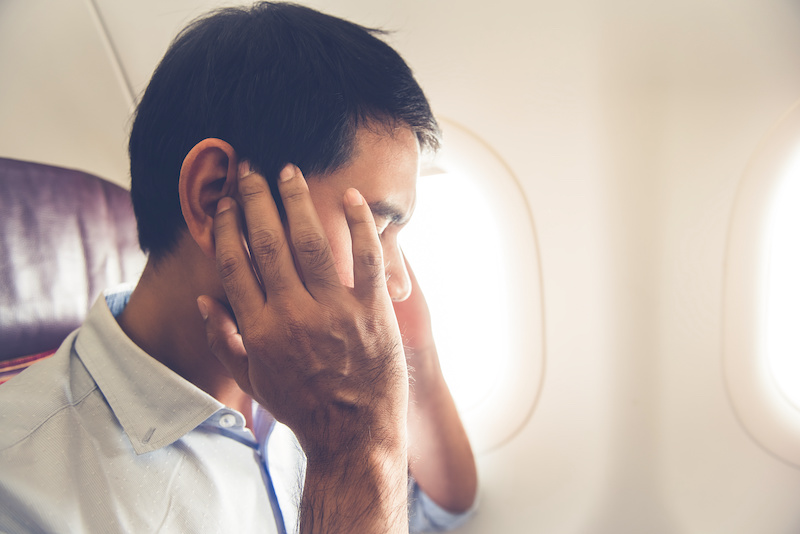
Blog Back The Science Behind Your Popping Ears: Altitude and Ear Pressure October 13, 2023 Have you ever noticed that your ears pop when you travel by airplane, drive up a mountain, or even take an elevator to a high floor? This common sensation can be both fascinating and slightly uncomfortable, leaving many people wondering why it happens. The phenomenon of popping ears is directly related to changes in altitude and air pressure. In this blog post, we will explore the science behind why your ears pop when you experience changes in altitude. The Anatomy of Your Ears Before diving into the specifics of ear popping at different altitudes, it’s essential to understand the basic anatomy of your ears. Your ears consist of three main parts: the outer ear, the middle ear, and the inner ear. The middle ear is the key player in the ear-popping scenario. The middle ear contains the eardrum (tympanic membrane), the three smallest bones in your body (the ossicles), and the Eustachian tube. The Eustachian tube connects the middle ear to the nasal-sinus cavity and plays a crucial role in regulating air pressure in your ears. Altitude Changes and Air Pressure Air pressure decreases as you ascend to higher altitudes. This is because there is less atmospheric pressure at higher elevations due to a decrease in the density of air molecules. Conversely, at lower altitudes or sea level, the air pressure is higher because there are more air molecules pressing down on you. The Eustachian Tube and Equalizing Pressure To understand why your ears pop, you need to know about the Eustachian tube’s role. The Eustachian tube helps equalize the pressure between the middle ear and the outside environment. Normally, the air pressure inside your middle ear matches the atmospheric pressure around you. This balance allows your eardrum to vibrate freely, enabling you to hear correctly. However, when you experience a rapid change in altitude, such as ascending in an airplane or driving up a mountain, the air pressure around you decreases more quickly than your middle ear can adjust. As a result, the pressure inside the middle ear becomes temporarily higher than the pressure outside. The Ear Popping Mechanism Your body’s response to this pressure imbalance is what causes your ears to pop. To equalize the pressure, the Eustachian tube briefly opens. This allows a rush of air from your throat to enter the middle ear, equalizing the pressure on both sides of the eardrum. You may notice this as a popping or clicking sound. In some cases, the Eustachian tube might not open as easily as it should. This can lead to discomfort or even pain in your ears, especially during rapid altitude changes. To encourage the Eustachian tube to open, you can try techniques like swallowing, yawning, or gently blowing air against a closed nostril while pinching your nose. The next time you find yourself on an airplane or ascending to higher altitudes, remember that the popping sensation in your ears is a completely natural response to changes in air pressure. It’s your body’s way of equalizing the pressure in your middle ear to protect your eardrum from potential damage. Understanding the science behind ear popping can make the experience less mysterious and more manageable. By using techniques to encourage the Eustachian tube to open, you can minimize discomfort and ensure a more enjoyable journey to your destination. So, the next time your ears pop, you’ll know it’s just your body’s way of keeping you comfortable as you explore the world at different altitudes. To learn more about ear popping and the anatomy of your ears, we invite you to contact us today. Share :
Exploring The Connection Between Hearing Loss And Falls

Blog Back Exploring The Connection Between Hearing Loss And Falls September 23, 2023 Hearing loss is often perceived as a condition that primarily affects one’s ability to hear and communicate. However, its impact goes far beyond auditory perception. In recent years, researchers have discovered a significant and somewhat surprising connection between hearing loss and an increased risk of falls. This connection is not just a mere coincidence but rather a complex interplay of factors that affects both the young and the elderly. In this blog post, we will delve into the link between hearing loss and falls, exploring the causes, consequences, and preventive measures. The Prevalence of Hearing Loss Hearing loss is more common than you might think. According to the World Health Organization (WHO), approximately 430 million people worldwide suffer from disabling hearing loss. This number is expected to rise to over 700 million by 2050. While hearing loss is often associated with aging, it can affect people of all ages due to a variety of causes, including genetic factors, noise exposure, infections, and more. The Connection: Hearing Loss and Falls Several studies have shed light on the connection between hearing loss and an increased risk of falls. While the exact mechanisms are not fully understood, there are several factors contributing to this link: Sensory Impairment: Hearing loss is a sensory impairment that can affect one’s ability to perceive the environment accurately. When hearing is compromised, individuals may struggle to detect crucial auditory cues that signal potential hazards, such as approaching footsteps, sirens, or alarms. Cognitive Load: Hearing loss often requires more cognitive effort to process sound and speech, leaving fewer cognitive resources available for tasks like maintaining balance and spatial awareness. This increased cognitive load can make individuals more vulnerable to falls. Social Isolation: Hearing loss can lead to social isolation, as individuals may withdraw from social activities due to communication difficulties. Social isolation has been linked to depression, anxiety, and a sedentary lifestyle, all of which can contribute to physical frailty and an increased risk of falls. Reduced Awareness: Individuals with hearing loss may have reduced awareness of their surroundings, making it more challenging to respond quickly to unexpected events or changes in the environment. Consequences of Falls Falls can have severe consequences, especially for older adults. Common consequences include fractures, head injuries, and a loss of independence. Moreover, falls often lead to a fear of falling, which can further limit physical activity and quality of life. Preventing Falls in Individuals with Hearing Loss The good news is that there are strategies to reduce the risk of falls in individuals with hearing loss. These include: Regular Hearing Check-Ups: Routine hearing assessments can help detect hearing loss early and allow for timely intervention, such as hearing aids. Assistive Devices: Hearing aids and assistive listening devices can improve auditory awareness and reduce the cognitive load associated with hearing loss. Environmental Modifications: Make home environments safer by removing tripping hazards, improving lighting, and installing handrails and grab bars. Balance and Strength Training: Engaging in regular exercise and balance training can improve physical strength and reduce the risk of falls. Hearing and Vision Combined: Since vision is also crucial for maintaining balance, it’s essential to address both hearing and vision impairment together to enhance overall sensory awareness. Hearing loss is not an isolated condition affecting one’s ears; it has far-reaching consequences that can impact overall health and safety. The link between hearing loss and falls is a vital area of research, shedding light on the importance of early detection and intervention. By addressing hearing loss and taking preventive measures, individuals can significantly reduce their risk of falls and the associated physical and emotional consequences. To learn more about the link between hearing loss and falls, we invite you to contact our hearing practice today. Share :
Understanding Somatic Tinnitus: The Mind-Body Connection

Blog Back Understanding Somatic Tinnitus: The Mind-Body Connection September 12, 2023 Tinnitus, often described as a ringing, buzzing, or hissing sound in the ears, affects millions of people worldwide. While it’s generally associated with issues in the auditory system, there’s a lesser-known form of tinnitus that originates from the somatic system, known as somatic tinnitus. In this blog post, we will explore what somatic tinnitus is, its causes, symptoms, and potential treatments. What is Somatic Tinnitus? Somatic tinnitus is a type of tinnitus that arises from interactions between the auditory system and the somatic (body) system. Unlike traditional tinnitus, which is primarily associated with problems in the ear, somatic tinnitus can be influenced by movements, postures, or muscle contractions in the head, neck, and jaw region. Essentially, somatic tinnitus blurs the lines between auditory perception and the body’s physical sensations. Causes of Somatic TinnitusThe following may contribute to somatic tinnitus: Temporomandibular Joint (TMJ) Disorders: Dysfunction in the TMJ, the joint connecting the jaw to the skull, can cause somatic tinnitus. Misalignment or excessive pressure on this joint can transmit vibrations to the ear, leading to tinnitus symptoms. Muscle Tension and Trigger Points: Tension and muscle knots in the neck, shoulders, or facial muscles can influence the auditory system and produce tinnitus-like sounds. Changes in Blood Flow: Altered blood flow patterns near the ears, neck, or head can create vascular tinnitus, a somatic form of tinnitus often described as a pulsing or whooshing sound. Head and Neck Trauma: Injuries, accidents, or surgeries in the head and neck region may disrupt the normal sensory pathways, leading to somatic tinnitus. Symptoms of Somatic Tinnitus Somatic tinnitus symptoms can vary from person to person, but they often include: Fluctuating or positional tinnitus: Tinnitus intensity may change with head or jaw movements or body posture. Tinnitus triggered by specific movements or actions: Chewing, talking, or swallowing can exacerbate the symptoms in somatic tinnitus sufferers. Associated pain or discomfort: Many individuals with somatic tinnitus experience pain or discomfort in the head, neck, or jaw area along with their tinnitus. Pulsatile or rhythmic tinnitus: Somatic tinnitus caused by changes in blood flow may produce a pulsing or rhythmic sound synchronized with the heartbeat. Treatment Options for Somatic Tinnitus Managing somatic tinnitus can be complex due to its multifaceted nature. Your doctor will help you find the treatment that is best suited to your needs. Treatment approaches may include: Addressing Underlying Causes: Treating underlying conditions such as TMJ disorders, muscle tension, or vascular issues can alleviate somatic tinnitus symptoms. Physical Therapy: Techniques such as massage, jaw exercises, and posture correction can help relieve muscle tension and improve somatic tinnitus. Stress Management: Reducing stress through relaxation techniques, yoga, or meditation can indirectly alleviate somatic tinnitus symptoms. Sound Therapy: Sound masking or white noise generators can help distract from tinnitus sounds, making them less noticeable. Cognitive Behavioral Therapy (CBT): CBT can assist in changing negative thought patterns associated with tinnitus, helping individuals cope better. Medications: In some cases, medications may be prescribed to alleviate pain or discomfort associated with somatic tinnitus. Somatic tinnitus serves as a reminder that the mind and body are intricately connected, and disruptions in one can affect the other. While somatic tinnitus may present unique challenges, there is hope for those who experience it. By addressing underlying causes and utilizing a multidisciplinary approach, individuals can often find relief and improve their quality of life. If you or someone you know experiences somatic tinnitus, we encourage you to contact our hearing practice today for more information and to schedule an appointment. Share :
The Surprising Link Between Pain Reliever Use And Tinnitus

Blog Back The Surprising Link Between Pain Reliever Use And Tinnitus August 25, 2023 Tinnitus, often described as a ringing, buzzing, or humming sound in the ears, is a condition that affects millions of people worldwide. While it is commonly associated with exposure to loud noises or age-related hearing loss, recent studies have uncovered a surprising connection between the use of pain relievers and the development or exacerbation of tinnitus. This revelation has raised important questions about the potential risks associated with frequent pain reliever usage and its impact on auditory health. The Role of Pain Relievers Pain relievers, also known as nonsteroidal anti-inflammatory drugs (NSAIDs), are a class of medications widely used to alleviate pain, reduce inflammation, and lower fever. Common over-the-counter NSAIDs include ibuprofen, aspirin, and naproxen. They are easily accessible and have become an integral part of many people’s lives, often used for various conditions such as headaches, muscle pain, menstrual cramps, and arthritis. The Unexpected Connection Recent research has unveiled a surprising correlation between the use of NSAIDs and the development or worsening of tinnitus symptoms. A 2022 study that analyzed health data from nearly 70,000 women from the Nurses’ Health Study II. Researchers found that women who reported using a moderate dose of aspirin (325 mg or more) 6-7 days per week had a 16 percent higher risk of tinnitus among women aged 60 and younger. However, a low dose of aspirin (100 mg or less) was not associated with an elevated risk of tinnitus. The analysis also showed that frequent use of NSAIDs or acetaminophen was associated with a nearly 20 percent higher risk of developing tinnitus. Regular use (2 days a week or more) of COX-2 inhibitors was also associated with a 20 percent higher risk of developing tinnitus. Possible Mechanisms While the exact mechanisms linking NSAID use to tinnitus are not fully understood, several hypotheses have been proposed. One theory suggests that NSAIDs may affect blood flow to the inner ear, potentially leading to changes in auditory function. Inflammation plays a significant role in various auditory disorders, and NSAIDs’ impact on inflammation regulation might contribute to their effects on tinnitus. Another avenue of investigation revolves around the potential for NSAIDs to interfere with the body’s natural defenses against oxidative stress. Oxidative stress can damage cells in the auditory system, potentially leading to tinnitus and other hearing-related issues. NSAIDs’ influence on oxidative stress pathways could be a key factor in the development of tinnitus symptoms. Managing Risks While the research into the connection between NSAID use and tinnitus is still in its early stages, it’s essential for individuals to be mindful of their pain reliever consumption. If you’re experiencing tinnitus or are concerned about its development, consider the following steps: Consult a Healthcare Professional: If you’re prone to tinnitus or have noticed changes in your hearing, it’s crucial to discuss your pain reliever use with a healthcare provider. They can help assess your risk factors and guide you toward the most appropriate pain management strategies. Consider Alternative Pain Management: Explore non-pharmacological approaches to pain relief, such as physical therapy, acupuncture, mindfulness meditation, and heat/cold therapy. These options can help reduce your reliance on NSAIDs. Practice Responsible NSAID Use: If you still choose to use NSAIDs for pain relief, do so cautiously. Follow recommended dosages, avoid long-term and excessive use, and be aware of any changes in your auditory health. The unexpected connection between pain reliever use and tinnitus highlights the complex interplay between medication, inflammation, and auditory health. While further research is needed to fully understand this relationship, individuals should approach NSAID consumption with caution and awareness. Prioritizing responsible pain management, discussing concerns with healthcare professionals, and exploring alternative approaches can contribute to preserving both your pain relief and auditory well-being. Remember, your health is your most valuable asset, and being informed empowers you to make the best decisions for your overall wellness. To learn more about the connection between pain reliever use and tinnitus, we welcome you to contact our hearing practice today. Share :
Understanding Ear Drainage: Causes, Symptoms, And When To Seek Help

Blog Back Understanding Ear Drainage: Causes, Symptoms, And When To Seek Help August 24, 2023 Our ears are remarkable organs responsible for both hearing and maintaining our sense of balance. However, like any part of our body, they can sometimes experience issues that warrant attention. One such concern is ear drainage, a condition that can range from mild and temporary to more severe and potentially indicative of an underlying problem. In this blog post, we’ll explore the causes, symptoms, and when to seek medical assistance for ear drainage. Causes of Ear Drainage Ear drainage occurs when fluid, pus, or blood leaks from the ear canal. This drainage can be attributed to various factors, including: Ear Infections: Middle ear infections (otitis media) and outer ear infections (otitis externa or swimmer’s ear) can cause a buildup of fluid or discharge in the ear canal. Ruptured Eardrum: A tear or hole in the eardrum (tympanic membrane) can lead to drainage. This can be caused by infections, trauma, sudden changes in pressure, or inserting objects into the ear. Foreign Objects: Inserting cotton swabs, fingers, or other objects into the ear can inadvertently damage the delicate structures and lead to drainage. Earwax Impaction: Excessive earwax can accumulate and block the ear canal, causing fluid to build up behind the blockage. Allergies: Allergic reactions can cause inflammation and fluid buildup in the middle ear. Trauma: Injuries to the ear or head can result in bleeding or drainage from the ear. Symptoms of Ear DrainageThe presence of ear drainage is often accompanied by other symptoms that can provide insights into the underlying cause. Common symptoms include: Discharge: Fluid, pus, or blood draining from the ear is the most apparent symptom. Pain or Discomfort: Ear drainage is often accompanied by ear pain, discomfort, or a feeling of pressure. Hearing Loss: Fluid buildup or infections can lead to temporary or partial hearing loss. Itching: Irritation and itching in the ear canal may be present, especially in cases of infections or allergies. Foul Odor: Ear drainage can sometimes emit an unpleasant odor. When to Seek Medical AttentionWhile some cases of mild ear drainage may resolve on their own, it’s important to know when to seek medical help: Persistent or Severe Symptoms: If the drainage persists for more than a few days, is accompanied by severe pain, or is accompanied by fever, seek medical attention promptly. Bleeding or Clear Fluid: If the drainage is bloody or clear and persists, it could indicate a ruptured eardrum or other serious issue. Hearing Loss: Any sudden or noticeable changes in hearing should be evaluated by a healthcare professional. Foreign Objects: If you suspect a foreign object is lodged in your ear, do not attempt to remove it yourself. Seek professional help. Frequent Infections: If you experience recurrent ear infections or drainage, it’s important to identify the underlying cause and receive appropriate treatment. Ear drainage can be concerning, but it’s essential to remember that many cases are manageable with timely intervention. If you or a loved one experiences ear drainage along with other symptoms, it’s advisable to consult a hearing professional. A professional can accurately diagnose the cause of the drainage and recommend appropriate treatment, whether it involves antibiotics, cleaning, or other interventions. Maintaining proper ear hygiene, avoiding inserting objects into the ear canal, and addressing any ear discomfort promptly can help minimize the risk of ear drainage and related complications. Your ears play a vital role in your overall well-being, so it’s crucial to prioritize their health and seek medical guidance when needed. For more information about ear drainage, its causes, and how to treat it, please contact our hearing practice today. Share :