
Blog Back Traveling With Hearing Aids? Here’s How To Care For Them On The Go! July 26, 2023 Traveling is an exciting experience that allows us to explore new destinations, immerse ourselves in different cultures, and create lasting memories. However, for those who wear hearing aids, it’s essential to take extra precautions to ensure their devices are well-maintained and fully functional during the journey. In this blog post, we will guide you through some valuable tips and best practices for caring for your hearing aids while traveling, ensuring a worry-free and enjoyable trip. Prepare and Pack Properly:Before embarking on your trip, it’s crucial to gather everything you need to maintain your hearing aids. Here’s a checklist to consider: Extra Batteries: Ensure you have an ample supply of fresh batteries or rechargeable batteries and bring them in your carry-on bag for easy access during your journey. Cleaning Tools: Pack a small cleaning kit containing a soft, lint-free cloth, a brush, and a wax pick or loop. These tools will help you keep your hearing aids free from debris and earwax buildup. Storage Case: Invest in a sturdy and protective storage case for your hearing aids. This case will safeguard your devices from physical damage while traveling. Protect Your Hearing Aids from Moisture:Travel destinations often expose us to different weather conditions, such as humidity, rain, or extreme temperatures. To protect your hearing aids from moisture-related damage: Use a Dehumidifier: Invest in a portable dehumidifier or drying kit designed specifically for hearing aids. Place your devices in the dehumidifier overnight to remove any moisture accumulated during the day. Waterproof Covers: If you anticipate encountering rain or high humidity, consider purchasing waterproof covers for your hearing aids. These covers provide an extra layer of protection against moisture. Be Mindful of Security Checkpoints:Airport security checkpoints and X-ray machines can potentially interfere with the functioning of hearing aids. To prevent any mishaps: Inform the Security Personnel: Let the security personnel know that you are wearing hearing aids before proceeding through the metal detector or body scanner. You can request a manual inspection of your hearing aids instead of subjecting them to X-rays. Turn Off Hearing Aids: Switch off your hearing aids during the security screening process to minimize any interference caused by electromagnetic fields. Minimize Exposure to Extreme Conditions: Extreme temperatures can affect the performance of your hearing aids. Follow these tips to mitigate potential damage: Keep Away from Direct Sunlight: Avoid leaving your hearing aids exposed to direct sunlight, as excessive heat can cause them to malfunction or deform. Cold Weather Precautions: In extremely cold climates, protect your hearing aids by wearing a hat or earmuffs that cover them. This will help retain heat and prevent moisture buildup. Seek Professional Assistance if Needed:If you encounter any issues with your hearing aids while traveling, it’s essential to seek professional help. Look for hearing healthcare providers or audiologists in your destination who can assist you with repairs, adjustments, or troubleshooting. Traveling with hearing aids doesn’t have to be a daunting task. By following these simple yet effective tips, you can ensure that your hearing aids remain in optimal condition throughout your journey. Taking proactive steps to care for your devices will provide peace of mind and allow you to fully enjoy the sights, sounds, and experiences that travel has to offer. To learn more about how to travel with hearing aids, we welcome you to contact our office today. Bon voyage! Share :
Category: Uncategorized
Promoting Hearing Care In Nursing Homes: Enhancing Well-Being And Communication

Blog Back Promoting Hearing Care In Nursing Homes: Enhancing Well-Being And Communication July 15, 2023 Hearing loss is a prevalent condition among older adults, and it can significantly impact their quality of life, especially when residing in nursing homes. With a focus on holistic care, nursing homes should prioritize hearing health to ensure the overall well-being and effective communication of their residents. In this blog post, we will explore the importance of hearing care in nursing homes and discuss strategies to promote better hearing health among residents. Recognizing the Impact of Hearing Loss:Hearing loss can lead to social isolation, depression, cognitive decline, and reduced overall health. In the nursing home setting, it is crucial to understand the specific challenges faced by residents with hearing loss, including: Communication Barriers: Hearing loss can hinder effective communication between residents, staff, and family members, leading to frustration and misunderstandings. Mental and Emotional Health: Untreated hearing loss can contribute to feelings of loneliness, anxiety, and decreased self-esteem among residents, impacting their overall mental well-being. Safety Concerns: Residents with hearing loss may face challenges in perceiving emergency alarms, announcements, or instructions, compromising their safety within the facility. Hearing Assessments and Regular Screenings:To ensure optimal hearing health among nursing home residents, a comprehensive approach is essential. If you are evaluating nursing homes to care for a loved one, ask whether they use the following strategies: Initial Assessments: Conduct hearing screenings as part of the admission process for new residents. Identify individuals with hearing loss and provide appropriate interventions, such as hearing aids or assistive listening devices. Regular Check-ups: Schedule routine hearing assessments for all residents to monitor changes in their hearing abilities. Timely identification of any deterioration allows for prompt intervention and prevents further decline. Communication Strategies and Staff Training:Effective communication is vital for resident well-being. Nursing homes should implement the following techniques to support residents with hearing loss: Staff Education: Provide training sessions for nursing home staff to increase awareness about hearing loss and teach effective communication strategies. Staff should learn to face residents, speak clearly, use gestures, and minimize background noise during conversations. Visual Aids: Utilize visual aids, such as written instructions, signs, or large-print menus, to supplement verbal communication. These aids help residents with hearing loss understand important information and remain engaged in daily activities. Assistive Listening Devices: Equip nursing homes with assistive listening devices, such as hearing loops or personal amplification systems, which enhance sound clarity during group activities, presentations, or social events. Environment Modification:Nursing homes can take simple steps to create an environment conducive to hearing health: Reduce Background Noise: Minimize unnecessary noise sources, such as loud equipment or television volumes, within the facility. Quiet spaces and designated areas for conversation can greatly enhance communication for residents with hearing loss. Acoustic Considerations: Ensure that the building’s design and layout account for acoustic optimization. Proper sound insulation, carpeting, and acoustic panels can help reduce reverberation and improve sound clarity within common areas. Collaboration with Audiologists and Hearing Healthcare Professionals:Develop partnerships with audiologists and hearing healthcare professionals to enhance hearing care in nursing homes: On-site Services: Facilitate regular visits from audiologists who can conduct hearing assessments, provide maintenance for hearing aids, and offer expert advice on hearing health. Counseling and Support: Encourage residents to participate in hearing loss support groups or individual counseling sessions. These services can address emotional challenges and provide a platform for residents to share experiences and coping strategies. Prioritizing hearing care in nursing homes is crucial for promoting the well-being and communication abilities of residents with hearing loss. By implementing regular screenings, enhancing staff training, modifying the environment, and fostering collaborations with hearing healthcare professionals, nursing homes can create an inclusive and supportive environment for all residents. By addressing hearing loss, we can significantly enhance the quality of life for older adults and ensure they remain engaged, connected, and empowered within their nursing home communities. To learn more about how nursing homes can support hearing care for their patients, we invite you to contact our office today. Share :
Is Acupuncture A Viable Treatment For Hearing Loss And Tinnitus?
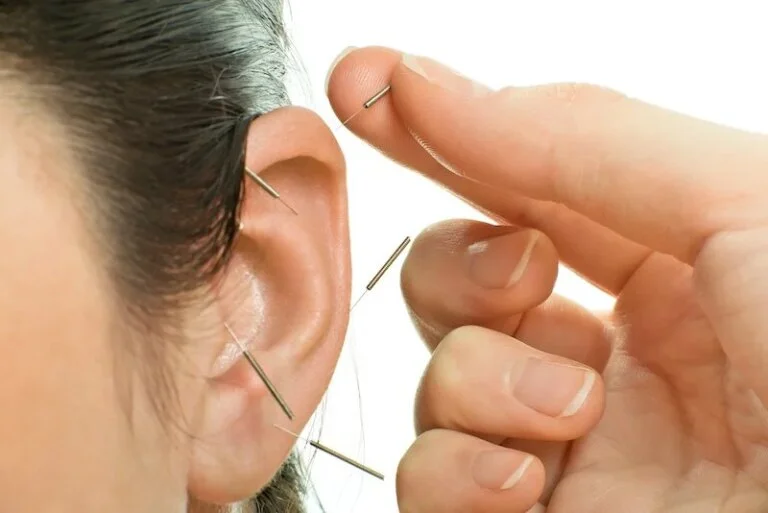
Blog Back Is Acupuncture A Viable Treatment For Hearing Loss And Tinnitus? June 26, 2023 Hearing loss and tinnitus, characterized by a persistent ringing or buzzing sound in the ears, can significantly impact an individual’s quality of life. Traditional treatments for these conditions often involve medications or hearing aids, but an alternative therapy has been gaining recognition for its potential effectiveness: acupuncture. Originating from ancient Chinese medicine, acupuncture involves the insertion of thin needles into specific points on the body to stimulate healing. In this blog post, we will explore the potential benefits of acupuncture as a treatment for hearing loss and tinnitus, shedding light on this intriguing avenue of alternative medicine. Understanding Acupuncture: Acupuncture is an integral part of traditional Chinese medicine, which views the body as an interconnected system of energy pathways called meridians. By inserting fine needles into specific points along these meridians, acupuncture aims to restore balance and promote the body’s natural healing abilities. While the scientific mechanisms behind acupuncture are still being explored, it is believed to influence the nervous system, release endorphins, and improve blood circulation. Acupuncture and Hearing Loss: Several studies and anecdotal evidence suggest that acupuncture may have a positive impact on various types of hearing loss. Acupuncture is thought to improve blood flow to the ear and stimulate the release of growth factors that can promote the regeneration of damaged sensory hair cells in the inner ear. Additionally, acupuncture may help reduce inflammation and alleviate conditions that contribute to hearing loss, such as ear infections or excessive earwax buildup. However, individuals who have used acupuncture as a treatment for hearing loss often use medication or herbal remedies as well. It is therefore difficult to determine whether any positive impact is due to the use of acupuncture, medication, herbal remedies, or the placebo effect. Acupuncture and Tinnitus: Tinnitus, often described as a ringing, buzzing, or hissing sound in the ears, can be a distressing and chronic condition. Acupuncture has shown promise as a complementary therapy for tinnitus by addressing underlying imbalances and promoting relaxation. By targeting specific acupuncture points, particularly those associated with the ears and auditory system, acupuncture may help reduce the intensity and frequency of tinnitus symptoms. Additionally, acupuncture’s stress-reducing effects can benefit individuals who experience tinnitus exacerbated by anxiety or stress. A Holistic Approach: It’s important to note that acupuncture is not a standalone treatment for hearing loss or tinnitus but should be considered as part of a comprehensive approach. It can be utilized in conjunction with other conventional therapies and lifestyle modifications to enhance overall outcomes. Seeking the guidance of a qualified acupuncturist who specializes in treating hearing-related conditions is crucial to ensure proper assessment, treatment planning, and ongoing care. Safety and Considerations: When performed by a trained and licensed acupuncturist, acupuncture is generally safe with minimal side effects. The procedure is relatively painless, with the sensation often described as a slight tingling or warmth at the insertion site. However, it is essential to consult with a healthcare professional before pursuing acupuncture, especially if you have underlying medical conditions or are currently undergoing other treatments for hearing loss or tinnitus. Acupuncture offers a potentially valuable therapeutic option for individuals struggling with hearing loss and tinnitus. While more research is needed to fully understand its mechanisms and efficacy, acupuncture’s holistic approach and focus on restoring balance in the body make it an appealing adjunct treatment. If you are considering acupuncture for hearing-related conditions, consult with a qualified acupuncturist and work in collaboration with your hearing specialist and healthcare team to develop a comprehensive plan. By exploring alternative avenues like acupuncture, individuals may find relief and regain a greater sense of well-being in their journey toward managing hearing loss and tinnitus. To learn more about acupuncture, hearing loss, and tinnitus, we invite you to contact our hearing practice today. Share :
Can Hearing Aids Cause Headaches?

Blog Back Can Hearing Aids Cause Headaches? June 13, 2023 Hearing aids are incredible devices that have transformed the lives of millions of people with hearing loss, allowing them to reconnect with the world around them. However, like any technological innovation, hearing aids can sometimes be associated with misconceptions and concerns. One such concern is the belief that hearing aids can cause headaches. In this blog post, we will address this common misconception and shed light on the actual causes of headaches related to hearing aids. Understanding Hearing Aids: Before we delve into the topic, it’s important to have a basic understanding of how hearing aids work. Hearing aids amplify sounds to compensate for hearing loss, making it easier for individuals to perceive and understand speech and other environmental sounds. They consist of various components, including a microphone, an amplifier, and a speaker, all housed within a small device that fits discreetly in or behind the ear. The Connection Between Headaches and Hearing Aids: Contrary to popular belief, hearing aids themselves do not directly cause headaches. Headaches that occur during or after wearing hearing aids are often attributed to other factors, some of which are outlined below: Initial Adjustment Period: When first starting to wear hearing aids, individuals may experience a period of adjustment as their brains adapt to amplified sounds. This adjustment phase can sometimes lead to mild discomfort, including headaches. However, this is a temporary phenomenon, and most people find that their discomfort dissipates within a short period as they acclimate to wearing hearing aids. Incorrect Fit or Improper Settings: Headaches can occur if hearing aids are not properly fitted or calibrated. If the devices are too tight, causing undue pressure on the ears, or if the sound amplification is set too high, it can result in discomfort or headaches. Regular check-ups with a hearing specialist can help ensure that hearing aids are fitted correctly and tailored to individual needs, reducing the risk of headaches. Tension and Stress: Hearing loss itself can be a source of stress and tension, and the use of hearing aids may initially heighten these emotions. Stress and tension can contribute to headaches. However, it’s important to note that this is a psychological response rather than a direct result of the hearing aids themselves. Pre-existing Conditions: Individuals who already suffer from migraines or chronic headaches may mistakenly associate their discomfort with the use of hearing aids. While wearing hearing aids may coincide with the onset of headaches, it is likely coincidental rather than causative. Seeking Solutions: If you experience headaches while wearing hearing aids, it is essential to consult with a hearing specialist to identify the underlying cause. They can conduct a thorough examination, assess the fit and settings of your hearing aids, and make necessary adjustments to optimize your comfort. While it is common for individuals to associate headaches with the use of hearing aids, it is crucial to separate fact from fiction. Hearing aids themselves do not directly cause headaches. Instead, any discomfort experienced is usually due to factors such as an adjustment period, incorrect fit, improper settings, stress, or pre-existing conditions. With the guidance of a qualified professional, adjustments can be made to ensure optimal fit and function, minimizing the chances of discomfort or headaches. Remember, hearing aids are designed to enhance your quality of life, and any concerns or issues should be addressed promptly to ensure you enjoy the benefits of improved hearing without unnecessary discomfort. If you have experienced headaches while using your hearing aids, please contact our hearing practice today. We will be happy to assist you. Share :
8 Simple Communication Tips For Talking To People With Hearing Loss

Blog Back 8 Simple Communication Tips For Talking To People With Hearing Loss May 22, 2023 Hearing loss is a common condition that affects many people around the world. According to the World Health Organization, approximately 466 million people worldwide have disabling hearing loss, and this number is expected to increase. With such prevalence, it is likely that you know someone with hearing loss. Communicating with people with hearing loss can be challenging, but it is not impossible. Here are some tips on how to communicate effectively with people with hearing loss. Get their attention: When you want to speak with someone who has hearing loss, make sure you have their attention first. Approach them from the front so they can see you, and make eye contact to establish a connection. You can also try saying their name before speaking to them, or wave or tap them if they do not hear you. Speak clearly and slowly: Speak clearly and slowly, but do not exaggerate your pronunciation. Try to speak in a normal tone of voice and do not shout. Speak in a natural way, but make sure you enunciate your words clearly. Face the person: Face the person with hearing loss when you speak to them. This will help them see your mouth movements and facial expressions, which can help them understand what you are saying. It can also be helpful to make sure there is sufficient lighting so the person can see you. Reduce background noise: Try to reduce background noise as much as possible. Turn off the TV or radio, move to a quieter room, or close windows and doors to block out external noise. This will help the person with hearing loss focus on your conversation. If you are meeting in a place like a restaurant, try to choose a quieter restaurant or go during off-times rather than during mealtime rushes. Rephrase, don’t repeat: If the person with hearing loss did not understand what you said, don’t just repeat the same thing. Instead, try to rephrase what you said in a different way. Use simpler words and sentences and avoid complex vocabulary and idioms. Use visual aids: If you are having difficulty communicating with someone with hearing loss, try to use visual aids such as gestures, facial expressions, and body language. These can help convey your message more clearly and effectively. Be patient: Be patient and understanding with the person with hearing loss. It may take them longer to process what you are saying, so give them time to respond. Avoid interrupting them or finishing their sentences for them. If the person has difficulty understanding you, don’t give up and say, “Never mind.” Keep trying and being patient. Use assistive devices: Finally, consider using assistive devices such as hearing aids or amplifiers to help the person with hearing loss communicate better. These devices can help amplify sounds, reduce background noise, and provide visual cues that can help the person understand what is being said. Communicating with people with hearing loss requires patience, understanding, and good communication skills. By following these tips, you can improve your communication with people with hearing loss and help them feel more included and valued in conversations. To learn more about how to effectively communicate with people with hearing loss, we welcome you to contact our practice today. Share :
Everything You Need To Know About Ear Wax

Blog Back Everything You Need To Know About Ear Wax May 15, 2023 Ear wax, also known as cerumen, is a substance that is naturally produced by the ear. It is a mixture of sweat, dead skin cells, and secretions from glands in the ear canal. Ear wax is usually harmless and serves an essential purpose in protecting the ear from infection and damage.However, sometimes excessive ear wax can cause problems, leading to discomfort and even hearing loss. In this article, we will discuss ear wax in more detail, including its functions, how to remove it safely, and when to seek medical attention.Functions of Ear WaxEar wax has several functions, including: Protecting the ear canal: Ear wax serves as a protective barrier between the ear canal and the outside world. It helps to prevent dirt, dust, and other foreign particles from entering the ear and potentially causing an infection. Lubricating the ear canal: Ear wax helps to keep the skin of the ear canal moisturized and lubricated. This can prevent itching and irritation. Trapping bacteria and other harmful particles: Ear wax contains chemicals that can kill bacteria and other harmful particles, helping to keep the ear canal clean and healthy. Removing Ear Wax SafelyIn most cases, ear wax does not need to be removed, as the body naturally eliminates it over time. However, in some cases, excessive ear wax can build up and cause problems. If you experience symptoms such as earache, ear fullness, ringing in the ear, or temporary hearing loss, you may need to remove excess ear wax. Here are some tips for removing ear wax safely: Avoid using cotton swabs or other objects in the ear canal. Using cotton swabs or other objects in the ear canal can push ear wax deeper into the ear and potentially damage the ear canal or eardrum. Use ear drops. Over-the-counter ear drops can be used to soften ear wax, making it easier to remove. Follow the instructions on the package carefully and avoid using ear drops if you have a perforated eardrum or other ear problems. Irrigate the ear. Irrigating the ear with warm water can help to flush out ear wax. You can use a rubber bulb syringe or an irrigation kit for this purpose. However, if you have a history of ear infections or a perforated eardrum, avoid irrigating your ear. When to Seek Medical AttentionIn some cases, ear wax buildup can cause significant problems, such as hearing loss, ear infection, or eardrum damage. If you experience any of the following symptoms, seek medical attention: Severe pain in the ear Drainage from the ear Sudden hearing loss Dizziness or vertigo Tinnitus (ringing in the ear) Your doctor may use a specialized tool called an otoscope to examine your ear and determine if you have excess ear wax. They may also recommend a procedure called ear syringing, which uses a syringe to flush out ear wax.Ear wax is a natural substance that helps to protect the ear canal from infection and damage. While most people do not need to remove ear wax, excessive buildup can cause problems. Follow the tips above for removing ear wax safely, and seek medical attention if you experience severe symptoms or have a history of ear problems. If you think you may need help removing ear wax from your ears, please contact our hearing practice today. Share :