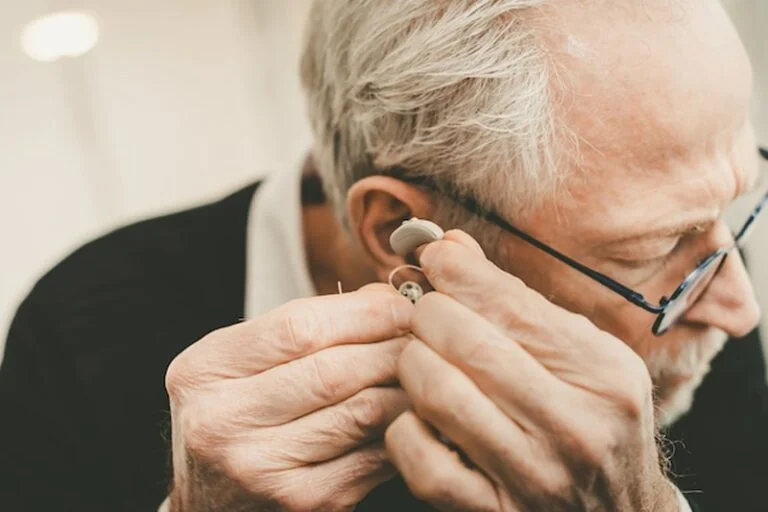
Blog Back Why Do My Hearing Aids Whistle? April 22, 2023 Hearing aids are a marvel of modern technology. They can help you hear sounds that you might not have been able to hear on your own for years. However, for all of their benefits, hearing aids are not without their annoyances and frustrations. One common issue experienced by many hearing aids users is feedback, which often sounds like whistling. If your hearing aids whistle, here is some information to help you get to the root of the problem—and fix it! Why do hearing aids whistle? Hearing aids can whistle or produce feedback for several reasons. It can sound like a whistle, squeal, screech, loud buzz, or hiss. One common cause is a poor fit or improper placement of the hearing aid in the ear canal. When the hearing aid is not fitted properly, sound can leak out of the ear and back into the microphone, causing a whistle or feedback. Another cause of feedback is a blockage or buildup of earwax in the ear canal. Earwax can prevent the hearing aid from fitting snugly in the ear, causing sound to leak out and feedback to occur. Additionally, feedback can occur when the volume of the hearing aid is too high, or when the hearing aid is too close to a sound source, such as a phone or another person’s voice. Problems with the electrical circuits in the hearing aids can also cause electronic feedback. Modern digital hearing aids are designed to minimize feedback through advanced signal processing algorithms and feedback cancellation technology. How can you fix hearing aid feedback or whistling? If you are experiencing hearing aid feedback, there are several steps you can take to address the issue: Check the fit: Make sure that the hearing aid is properly fitted in your ear and that there are no gaps or spaces between the hearing aid and your ear canal. You can also try repositioning the hearing aid slightly to see if this helps. Clean the hearing aid: A buildup of earwax or debris can cause feedback. Try cleaning the hearing aid with a soft, dry cloth or using a hearing aid cleaning kit. You can also clean your ears of any earwax buildup by flushing your ear canal with an over-the-counter ear wax kit, which is available at most drugstores or online. Adjust the volume: If the volume is too high, this can cause feedback. Try turning down the volume on your hearing aid to see if this resolves the issue. Use a different earpiece: If the earpiece of your hearing aid is worn or damaged, this can cause feedback. Consider using a different earpiece or having your hearing healthcare professional replace the earpiece. Consult with your hearing healthcare professional: If the above steps do not resolve the issue, it is important to consult with your hearing healthcare professional. They can diagnose the cause of the feedback and make any necessary adjustments or repairs to your hearing aid. It is important to address hearing aid feedback promptly to ensure that you are receiving the best possible sound quality and to avoid discomfort or irritation in your ear. To learn more about how to fix whistling hearing aids, we welcome you to contact our hearing practice today. We are eager to assist you. Share :
Category: Uncategorized
How Long Does It Take To Adjust To New Hearing Aids?
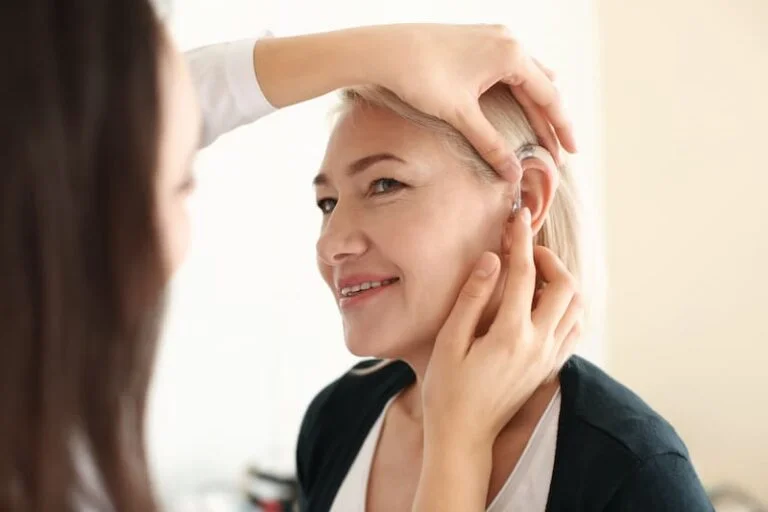
Blog Back How Long Does It Take To Adjust To New Hearing Aids? April 10, 2023 If you are a new hearing aid wearer or if you are considering getting hearing aids, you might be wondering how long it takes to adjust to new hearing aids. At first, it might seem like there would be no adjustment period. However, for most people, there is a noticeable adjustment period of at least a couple of weeks. Why is there an adjustment period? Think of it this way: it takes an average of approximately ten years after being diagnosed with hearing loss before people get hearing aids. If you were in a room for five to ten years and the lights were slowly dimmed over the years, it would be an unpleasant and uncomfortable shock for the lights to be turned back up to the brightest setting in an instant. It’s similar with your hearing. During the time when your hearing loss is untreated, your brain becomes used to not hearing as much speech and environmental noises. Wearing hearing aids and hearing everything all at once again can be uncomfortable at first. This is especially true because hearing with hearing aids is not exactly the same as normal hearing. Some things will sound different than they used to, and you will be hearing noises you haven’t heard in perhaps years. How long does it take to adjust to new hearing aids? The time it takes to adjust to new hearing aids can vary depending on a number of factors, including the severity of your hearing loss, how long you’ve had the hearing loss, the type of hearing aids you’re using, and your individual physiology and sensitivity. Typically, it can take anywhere from a few days to several weeks to fully adjust to new hearing aids. During this time, you may experience some discomfort or adjustment issues such as: The sound of your own voice may sound different or louder than normal. You may hear background noise more prominently. Certain environmental sounds, such as rustling papers or the clinking of silverware, may be more noticeable. You may experience feedback or whistling sounds from the hearing aids. It’s important to work closely with your hearing professional during this time to ensure your hearing aids are properly programmed and adjusted to meet your needs. They can also provide tips and techniques for adjusting to your new hearing aids and offer support and guidance throughout the process. How to adjust to new hearing aids Adjusting to new hearing aids can take some time and effort, but there are a number of things you can do to make the process easier: Wear your hearing aids consistently: Make sure to wear your hearing aids every day for as long as possible. Consistent use will help your brain adapt to the new sounds. Start in a quiet environment: Begin by wearing your hearing aids in a quiet, familiar environment such as your home, and gradually move to more challenging environments such as restaurants or social gatherings. Communicate with others: Let your family and friends know that you’re adjusting to new hearing aids, and ask them to speak clearly and face you when they’re talking. Keep a journal: Keep a journal of your experiences and any issues you encounter with your hearing aids.This can help you and your hearing professional identify any adjustments that may need to be made. Attend follow-up appointments: It’s important to attend all follow-up appointments with your hearing healthcare professional to ensure your hearing aids are properly adjusted and working effectively for your needs. Don’t hesitate to ask questions or voice any concerns you may have. For more information about adjusting to new hearing aids, we invite you to contact our hearing practice today. Share :
New Study Links Hearing Loss With Dementia In Older Adults

Blog Back New Study Links Hearing Loss With Dementia In Older Adults March 27, 2023 Researchers have long known that hearing loss is associated with other medical conditions. A new study shows a link between hearing loss and dementia in older adults. Here is what you need to know about the study, its findings, and what you can do to help prevent dementia. The study was led by researchers at the Johns Hopkins Bloomberg School of Public Health, with the findings published in January of 2023 in the Journal of the American Medical Association. The researchers analyzed data from a nationally representative sample of 2,413 older adults. The data was provided by the National Health and Aging Trends Study (NHATS), and about half of the individuals included in the data were over the age of 80. The analysis found a clear association between the severity of hearing loss and dementia. In study participants with moderate/severe hearing loss, the prevalence of dementia was 61 percent higher than in individuals with normal hearing. Hearing aid use was associated with a 32 percent lower prevalence in individuals who had moderate/severe hearing loss. Past studies have also found an association between hearing loss and dementia. Those studies, however, were limited in that they relied on in-clinic data collection. This means that previous studies lacked data from vulnerable populations who may not have access to a clinic. For this study, the researchers collected data from participants using in-home testing and interviews. Hearing loss is a major health issue, affecting two-thirds of adults in the United States over the age of 70. While you can take steps to protect your hearing health, like wearing proper hearing protection during exposure to loud noises, there is no 100 percent effective way to prevent hearing loss. Even if you take the appropriate steps to protect your hearing, you may experience age-related hearing loss as you age. Although hearing loss is not completely preventable, it is treatable. Wearing hearing aids can not only help you hear sounds that you would be unable to hear without them, but they can also help protect your cognitive health. This recent study found that among individuals with moderate/severe hearing loss, the prevalence of dementia was lower in those who used hearing aids. The risk for dementia is greatest when hearing loss is left untreated. Untreated hearing loss also increases your risk for other conditions, like depression, anxiety, social isolation, and falls. If you believe you may be experiencing hearing loss, the best way to protect your overall health is to have your hearing tested by a hearing professional. Wearing hearing aids can help to lower your risk for dementia and other conditions. Fortunately, hearing aids are now more discreet, advanced, and affordable than ever before. Your hearing health professional will be able to help you find a hearing aid that fits your needs. For more information about the link between hearing loss and dementia, we invite you to contact our office today. We are eager to assist you. Share :
New Research: A Checkerboard Pattern Of Inner Ear Cells Enables Us To Hear
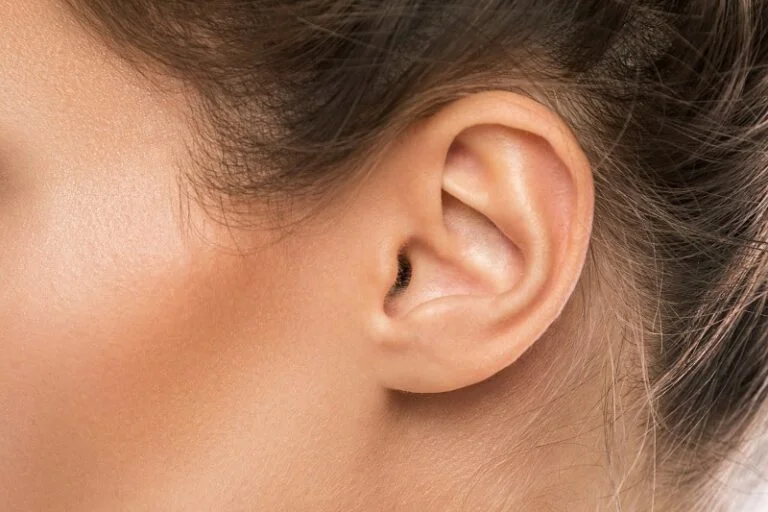
Blog Back New Research: A Checkerboard Pattern Of Inner Ear Cells Enables Us To Hear March 11, 2023 The inner ear is a remarkable sensory organ responsible for our ability to hear and maintain balance. It is composed of a complex network of cells and structures that work together to detect and interpret sound waves and movement. Recent research has uncovered the fascinating phenomenon of cell self-organization in the inner ear, whereby cells are able to organize themselves into precise patterns and structures without external guidance or intervention. This self-organization is essential for the development and function of the inner ear, and understanding the mechanisms involved could have significant implications for the treatment of hearing and balance disorders. The inner hair cells are the primary sensory cells within the Corti organ, responsible for detecting sound vibrations and converting them into electrical signals. The outer hair cells, on the other hand, play a role in amplifying and sharpening the sound signals detected by the inner hair cells. The supporting cells provide structural support and metabolic functions to the hair cells. The Corti organ is organized into several layers, with the inner hair cells located closest to the center of the cochlea and the outer hair cells located further out. The precise arrangement of these cells is essential for the detection and interpretation of different frequencies of sound. Overall, the Corti organ is a remarkable structure that plays a critical role in our ability to hear and interpret sound. Its complex organization and specialized functions highlight the sophistication and precision of the mechanisms involved in auditory perception. The checkerboard arrangement in the inner ear refers to the pattern of organization of the sensory cells responsible for detecting sound waves and translating them into electrical signals that the brain can interpret. Specifically, in the cochlea of the inner ear, the sensory cells responsible for detecting different frequencies of sound are arranged in a pattern that resembles a checkerboard. The hair cells are arranged in rows along the length of the cochlea, with different rows responding to different frequencies of sound. Within each row, the hair cells are arranged in a checkerboard pattern, with adjacent hair cells responding to slightly different frequencies of sound. This arrangement allows for precise discrimination of different frequencies of sound, which is essential for hearing and speech perception. The checkerboard pattern in the inner ear is an example of the remarkable precision and organization of biological systems, and it highlights the complexity and sophistication of the mechanisms involved in our ability to hear and interpret sound. A recent study conducted by a Japanese research group revealed the checkerboard pattern’s crucial role in hearing. In studying mice, the researchers found that abnormalities in the inner ear resulted in hearing loss. This indicates that further studying the patterns of the inner ear and cell self-organization could lead to a greater understanding of hearing loss and its causes. Furthermore, this checkerboard pattern is found in other sensory organs, including the olfactory epithelium that is responsible for the sense of smell and the retina which is responsible for vision. Additional research could help us better understand sensory organs, how they function, and the diseases and abnormalities that affect them. For more information about this intriguing new research, we invite you to contact our hearing practice today. Wireless Capabilities with Bluetooth Share :
What You Should Know About Asymmetrical Hearing Loss
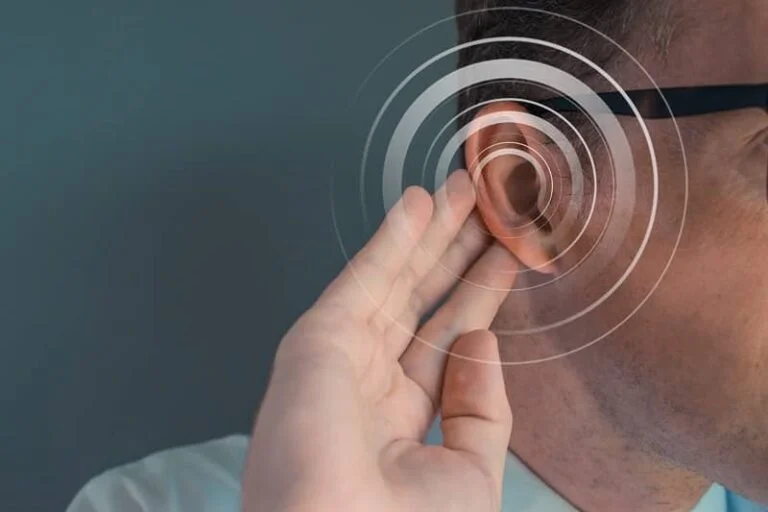
Blog Back What You Should Know About Asymmetrical Hearing Loss February 19, 2023 If your hearing loss is worse in one ear than the other, you may have asymmetrical hearing loss. Here is what you need to know about asymmetrical hearing loss. What is asymmetrical hearing loss? Asymmetrical hearing loss refers to a condition in which there is a difference in hearing ability between the two ears. This can occur due to a variety of factors such as exposure to loud noise, ear infections, injury, or certain medical conditions. While a slight hearing difference between the two ears is normal, significant variation (more than 10 dB) is not typical. This is classified as asymmetrical hearing loss when the difference is 15 dB or greater. What causes asymmetrical hearing loss? Asymmetrical hearing loss can be caused by a variety of factors, including: Exposure to loud noise — Prolonged exposure to loud noise can damage the hair cells in the inner ear, leading to hearing loss. This can be more severe in one ear than the other if the individual is exposed to more noise on one side (e.g., working with loud machinery or attending loud events). Ear infections — Ear infections can cause temporary or permanent hearing loss and can be more severe in one ear than the other. Trauma — Head injuries or injuries to the ear can cause hearing loss, and this can be more significant in one ear than the other. Medical conditions — Certain medical conditions, such as Meniere’s disease, otosclerosis, and acoustic neuromas, can lead to asymmetrical hearing loss. Tumors — Tumors of the ear or brain can also cause asymmetrical hearing loss. Genetic factors — Some genetic disorders can cause asymmetrical hearing loss, such as Usher Syndrome. It is important to note that in some cases, the cause of asymmetrical hearing loss may not be able to be determined. A hearing specialist can help to determine the cause and recommend appropriate treatment options. How is asymmetrical hearing loss treated? Treatment for asymmetrical hearing loss will depend on the underlying cause of the condition. Some common treatment options include: Hearing aids — Hearing aids can help to amplify sounds for individuals with hearing loss, even if the hearing loss is asymmetrical. The hearing aids can be programmed to amplify sounds differently in each ear to compensate for the asymmetry. Cochlear implants — Cochlear implants can help individuals with severe hearing loss to hear by converting sound into electrical signals that are sent directly to the auditory nerve. Bone-anchored hearing devices — A bone-anchored hearing device is surgically implanted. This may be suggested if the hearing loss is too great in one ear to be effectively treated with programmable hearing aids. Surgery — In some cases, surgery may be necessary to treat the underlying cause of the asymmetrical hearing loss. For example, if a tumor is causing the hearing loss, surgery may be necessary to remove the tumor. Early diagnosis and treatment are important to prevent further hearing loss and to improve the quality of life. If you believe that you may have asymmetrical hearing loss, please contact our hearing practice today. We are eager to assist you. Share :
New Study Shows The Benefits Of Hearing Birds

Blog Back New Study Shows The Benefits Of Hearing Birds January 22, 2023 If you have untreated hearing loss, you might be missing a lot of sounds in your everyday life. You might have difficulty understanding speech, making conversations with your family and friends challenging. You might not be able to hear your favorite music, movies, or TV shows without turning the volume up much higher than you used to. You might not be able to hear the sounds of nature, like the water rushing past in a river or birds singing in the trees. If you are unable to hear the birds, you might be missing out on more than the sweet sound of bird chirps and whistles. New research shows that seeing and hearing birds is good for your mental health—and if you cannot hear birds, you are missing out on those benefits. The research, which was published in 2022, found that seeing or hearing birds is associated with an improvement in mental wellbeing. The study was conducted by researchers at King’s College London between April 2018 and October 2021 with 1,292 participants. These participants completed a total of 26,856 assessments with the Urban Mind app, which was developed by King’s College London, landscape architects J&L Gibbons, and arts foundation Nomad Projects. While participants were recruited worldwide, the majority were based in the United States of America, the United Kingdom, and the European Union. In the study, participants used the app to answer questions three times a day about whether they could see or hear birds. They were then asked questions about their mental wellbeing, which allowed researchers to establish an association between the two. Researchers were also able to estimate how long this association lasted. The results show that seeing or hearing birds is associated with improvements in mental wellbeing in both healthy people and those with depression. Researchers estimate that the positive effects of seeing or hearing birds can last for up to eight hours. Listening to the sounds of nature has long been hypothesized to benefit mental wellbeing. Many people enjoy listening to nature sounds, including the sounds of birds, to help them relax and relieve stress. However, this is the first study to provide scientific evidence of the connection between seeing or hearing birds and mental wellbeing. This study shows that going outside and seeing or hearing birds is a simple way to improve your mental wellbeing—with the benefits lasting for up to eight hours! Going outside to watch or listen to birds just once a day could potentially bring noticeable mental health benefits. If you are unable to hear the birds when you are outside, you could be missing out on significant mental wellbeing benefits (not to mention beautiful birdsongs!). With treatment, such as wearing hearing aids, you can once again enjoy the sound of birds, along with many other sounds you may be missing out on if you have untreated hearing loss. To learn more about the association between hearing birds and mental wellbeing, and to set up an appointment with our hearing aid specialist to ensure that you can hear birds when you are outside, we welcome you to contact our office today. Share :