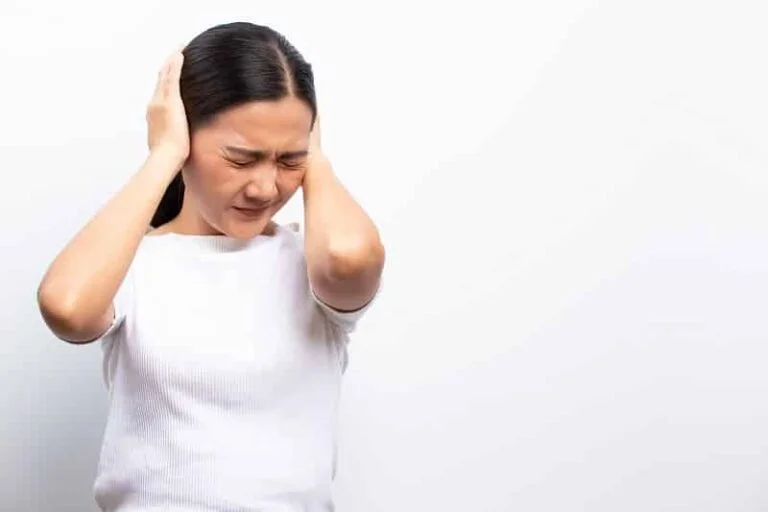
Blog Back New Study Shows Promise For Helping Individuals With Auditory Sensitivity September 10, 2022 Do you have auditory sensitivity? Auditory sensitivity, or hyperacusis, occurs when a person is overly sensitive to sounds. The most common cause of hyperacusis is damage to the inner ear due to aging or exposure to loud noise. For the most part, individuals with auditory sensitivity have been told there is not much that can be done for their condition and, besides taking simple steps like wearing headphones, they simply need to “deal with it.” A new study, however, shows promise for helping those with auditory sensitivity.The study was published in the July 2022 edition of the journal Proceedings of the National Academy of Sciences (PNAS). The study was led by University of Colorado Anschutz Medical Campus researchers Andrew Mecca and Giusy Caprara, PhD, in the laboratory of Anthony Peng, PhD. The researchers focused on the gating spring, which is a tiny, nanometer-scale protein structure that mechanically opens and closes an ion channel in sensory hair cell cells in response to sound vibrations.For years, hearing researchers have hypothesized that the gating spring can act as a controller of the ion channel’s activity. The purpose of the study was to test this hypothesis and further explore the function of the gating spring in modulating the sensitivity of the channel. The researchers found that modifying a physical property of the gating spring—its stiffness—can control how much the channel opens and closes in response to sound vibrations in the inner ear. In particular, the study revealed that a specific type of signaling molecule called cyclic adenosine monophosphate (cAMP) reduced the stiffness of the gating spring and thereby decreased the channel’s sensitivity.This study marks the first time a physiological mechanism for controlling gate spring stiffness has been identified. Peng, associate professor at the University of Colorado School of Medicine and senior author of the study, said, “Identifying the underlying mechanism of this process—how it works physiologically and mechanically—provides an avenue for future research and provides an opportunity for the field to develop a new type of drug that can be used to prevent a type of hearing loss that occurs from exposure to very loud sound.” One possible application of the new research is to help people protect their hearing from the effects of loud noise. This marks an important step forward in the field of audiology.The findings of the study hold promise for people who suffer from auditory sensitivity as well. If a medication were developed that could modify the gating spring, it may be able to decrease auditory sensitivity. This could bring great relief to those who struggle with hyperacusis. In addition, this new research opens a door for a better understanding of how the auditory system functions in general and how it protects sensory cells from potential damage. Share :
Category: Uncategorized
Recent Study Highlights The Importance Of Early Intervention For Hearing Loss
Blog Back Recent Study Highlights The Importance Of Early Intervention For Hearing Loss September 10, 2022 When it comes to your health, early intervention is best. This seems apparent for health conditions like cancer, heart disease, diabetes, and more. It is obvious to most people that it is better to treat these conditions early rather than when they have become severe and have had a greater effect on your body and your overall health. However, many people do not give the same thought to their hearing health. Just like other health conditions, it is important to seek out early treatment for hearing loss.Over the years, research has shown that untreated hearing loss is connected to numerous health problems. These conditions include depression, social isolation and loneliness, anxiety, falls, and cognitive decline. By seeking treatment for hearing loss—like hearing aids—you can lower your risk for these health conditions.A recent study highlights the importance of early intervention for hearing loss. In the study, researchers at the Columbia University Irving Medical Center followed a group of 2,110 adults over a mean follow-up period of 9.1 years. The study evaluated the participants’ cognitive performance and hearing threshold using standard pure tone audiometry. The findings of the study were published in the March 2022 issue of the journal Frontiers in Aging Neuroscience.The study resulted in two main findings that are relevant to the issue of early intervention. First, researchers found that worse hearing was associated with significantly steeper cognitive decline. This indicates that an important step in protecting your cognitive function as you age is to treat any hearing loss as soon as possible.Second, the results suggest that the connection between hearing loss and cognitive decline may begin when the individual’s audiogram is still in the normal range. This means that hearing loss does not need to be severe in order to affect your cognitive function. Even minimal hearing loss can have serious, wide-reaching effects on your health.This research, combined with other studies, underlines the importance of treating hearing loss as early as possible. Many people think they should wait to wear hearing aids until they can no longer hear properly or participate in conversations. On the contrary, you should seek treatment from a hearing professional for any changes in your hearing, even if they are small.Here are a few steps you can take to protect your hearing, cognitive function, and overall health: Get your hearing checked regularly. If your hearing begins to decline, even if it is in the normal range, ask your hearing professional whether you need treatment. If you notice any changes in your hearing, speak with a hearing professional as soon as possible, even if it is not time for your regular hearing assessment. If you have hearing aids, wear them! The only way to get the benefits of hearing aids is to wear them all the time when you are awake. Stay physically active, eat a healthy diet, and see your doctor for an annual medical checkup. Since your physical health and your hearing health are connected, it’s important to take care of your overall health as well. To learn more about the importance of early intervention for hearing loss and to schedule your next appointment with our hearing professional, we invite you to contact our office today. We look forward to caring for you. Share :
4 Common Mistakes Made By Hearing Aid Users
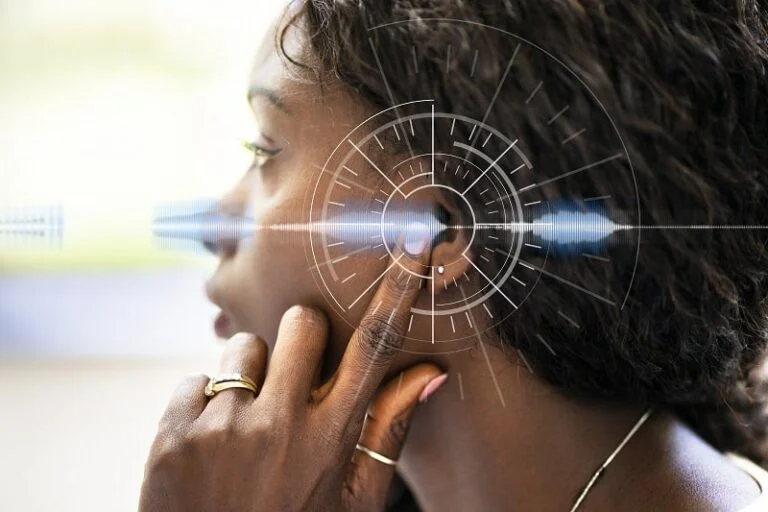
Blog Back 4 Common Mistakes Made By Hearing Aid Users August 27, 2022 If you have hearing loss, your hearing specialist might recommend hearing aids. Hearing aids are devices that help you hear speech and other sounds that you otherwise could not hear clearly. While the idea of using hearing aids might seem straightforward, there are several common mistakes people make when using hearing aids. This is especially true for new hearing aid users. Do you make any of these common hearing aid mistakes?Hearing Aid Mistake #1: Putting in your hearing aids without checking the features and settings.It might seem like a great idea to put in your new hearing aids right away once you receive them. However, it can be very worthwhile to check the features and settings first. Many modern hearing aids come with advanced features that can improve your quality of life and make using your hearing aids easier. If you simply put in your hearing aids without learning how these features work, you might be short-changing yourself and your hearing.Furthermore, it’s important to make sure the settings are all set correctly before you start using your hearing aids. If the settings are not correct, you may not like wearing your hearing aids or you might not use them to their full extent. We recommend that you ask your hearing specialist to show you the features and settings on your new hearing aids and explore them yourself before you start wearing your devices.Hearing Aid Mistake #2: Not having your hearing aids professionally fitted.Now that over-the-counter hearing aids are becoming available, it is possible to get a hearing aid and start wearing it without it being professionally fitted. While this might seem like an easier option, it can cost you in the long run. One important benefit of having your hearing aids professionally fitted is that they will be as comfortable as possible. This is crucial since you will want to wear your hearing aids often (likely every day!) and will want to maximize comfort.Hearing Aid Mistake #3: Not expecting a period of adjustment.When you buy new shoes, you expect a period of “breaking them in,” when you will get used to wearing your new shoes. The same is true if you started wearing glasses; you would expect a period of adjusting to wearing lenses. Similarly, you should expect a period of adjustment for your new hearing aids.One thing you can expect to adjust to is that your hearing with hearing aids is not exactly the same as normal hearing before hearing loss. It will be a little different, and it will also feel different from how you have become accustomed to hearing things with hearing loss. As long as you expect a period of adjustment, you will likely find it not too frustrating. If you need any help during this period, be sure to reach out to your hearing specialist. We want to make sure your transition to using hearing aids is as seamless as possible.Hearing Aid Mistake #4: Not cleaning your hearing aids.You want your hearing aids to last as long as possible, and one important factor in helping your devices last is cleaning them properly. It is essential that you clean your hearing aids on a regular basis—ideally every night when you take your hearing aids out before going to bed. Your hearing aids can collect dust and dirt that need to be cleaned off regularly. In addition, be sure to empty and clean the wax deposits every night. Failing to do so can prevent your hearing aids from working properly.Avoiding these four mistakes can go a long way in helping your hearing aids last and ensuring that you get the most out of your devices. To learn more about the best way to use your hearing aids, we invite you to contact our hearing practice today. Share :
Can Treating Hearing Loss Reduce Stress? You May Be Surprised By The Answer

Blog Back Can Treating Hearing Loss Reduce Stress? You May Be Surprised By The Answer August 10, 2022 When you think about factors in your life that cause stress, you might think of some of the obvious answers: your job, family responsibilities, or current events. However, did you know that hearing loss can cause stress too? Here is how hearing loss and stress are connected.The Connection between Hearing Loss and StressUntreated hearing loss can lead to increased stress levels. This is because people with untreated hearing loss often experience what is known as listening fatigue. Listening fatigue is what happens when you constantly need to concentrate on speech, social cues, or lipreading to try to understand what is being said to you. Untreated hearing loss can cause you to feel exhausted without doing extra physical work because of the mental work required.Listening fatigue is common among both children and adults with untreated hearing loss. It can result in increased stress due to the strain of trying to understand speech and other sounds. Thankfully, there is good news: you can reduce both listening fatigue and stress by wearing hearing aids.The Link between Tinnitus and StressYes, tinnitus can cause stress as well. Tinnitus, or ringing in the ears, has an interesting relationship with stress. As you might expect, a constant ringing in the ears can make you feel stressed or on edge. In addition, stress can make tinnitus worse.People with tinnitus often report that their tinnitus worsens during times of increased stress. One study that polled people with tinnitus found that 53.6 percent of respondents said that their tinnitus began during a stressful time of their life. Furthermore, 52.8 percent of people polled reported that their tinnitus increased during a stressful period.As with hearing loss, using hearing aids can reduce tinnitus. A study conducted among hearing professionals found that approximately 60 percent of patients reported mild to major relief from tinnitus when wearing hearing aids. About 20 percent of hearing professionals said their patients reported major relief from tinnitus thanks to hearing aids. Hearing aids can be an effective treatment for both hearing loss and tinnitus, which can in turn reduce your stress levels.The Importance of Managing StressWhy is it important to manage your stress levels? Overall, stress can have detrimental effects on your body. High stress levels can contribute to serious health problems, including high blood pressure, diabetes, heart disease, and obesity. Stress can also cause headaches, jaw pain, poor sleep, trouble concentrating, changes in appetite, frequent mood swings, and feeling overwhelmed. Treating your hearing loss or tinnitus can be one step in managing your stress levels and taking care of your health.Some other effective ways to manage stress include: Exercising regularly Getting enough sleep Spending time with family and friends Making time to enjoy your hobbies Using breathing exercises Managing your time and prioritizing your responsibilities Avoiding alcohol and drugs Eating well Talking to friends, family, or a counselor about what is stressing you To learn more about how you can manage stress and to set up an appointment with our hearing healthcare specialist, we welcome you to contact our practice today. Share :
What Is The Connection Between Hearing Loss And Anxiety?

Blog Back What Is The Connection Between Hearing Loss And Anxiety? July 24, 2022 If you suspect your hearing has gotten worse, or if you have recently been diagnosed with hearing loss, you may be feeling anxious. Anxiety, which is a persistent heightened state of alert, is normal with any stressful situation, including those related to your health and wellbeing. However, when normal anxiety becomes long-lasting and invasive, it becomes a disorder in and of itself. Over the years, research has shown that hearing loss and anxiety are connected. What is that connection?Types of AnxietyMental health professionals generally distinguish between five types of anxiety: Generalized anxiety disorder Post-traumatic stress disorder Obsessive-compulsive disorder Panic disorder Social anxiety disorder Hearing loss may be related to various types of anxiety. For example, if you are involved in an accident or injury that leads to sudden hearing loss, you may experience post-traumatic stress disorder. On the other hand, if you have hearing loss but are constantly looking for symptoms of dementia, you may have generalized anxiety disorder.In addition to causing constant “what if” worries, anxiety can also cause physical symptoms. These may include nausea, muscle aches, dizziness, difficulty concentrating, insomnia, or a feeling of dread. If anxious thoughts and physical symptoms are persistent and interfere with your quality of life, it may be time to seek professional help.The Link between Hearing Loss and AnxietyIf you have hearing loss, you may feel that you have a lot to worry about. What if you don’t hear something important? What if you can’t hear someone talking at dinner? What if you miss the punchline to a joke? What if your hearing aid batteries die? What if you misunderstand someone and embarrass yourself? These “what if” scenarios could go on and on.Research supports the link between hearing loss and anxiety. In one study of nearly 4,000 French people aged 65 and older that was conducted over a 12-year period, researchers found that people diagnosed with hearing loss at the beginning of the study had a greater likelihood of developing anxiety symptoms over time. Another study of more than 1,700 adults aged 76 to 85 found that having mild hearing loss resulted in a 32 percent higher risk of reporting anxiety. For those with moderate or higher hearing loss, the risk of anxiety increased to 59 percent.The connection between hearing loss and anxiety seems to go the other way, too. One study of more than 10,500 adults in Taiwan found that those with an anxiety disorder had a greater risk of sudden hearing loss. In the French study mentioned above, participants who reported generalized anxiety disorder (GAD) but not hearing loss at the beginning of the study were more likely to develop hearing loss than those without GAD.Worry about Hearing Loss vs. Social AnxietyIf you have hearing loss, you may feel anxious about social situations. How can you tell whether you have social anxiety or you’re simply worried about social interactions?In general, people with social anxiety feel anxious about any situation in which they might be negatively judged, whether it’s a date, job interview, party, small talk, or group lunch. If you have hearing loss, you may also feel anxious about social situations, especially if you are worried about not being able to hear, about mishearing other people, or about feeling left out. If you can solve your worries by using a hearing aid, you probably don’t have social anxiety. If you feel anxious about social situations but still enjoy being around people, your social anxiety may be mild. If you have extreme social anxiety, simply sitting near other people could make you anxious.The TakeawayResearch has shown that hearing loss and anxiety are connected, although further research remains to be done to explore exactly how these two conditions are linked. Fortunately, anxiety is highly treatable. If you believe that you have anxiety—whether or not you think it’s related to hearing loss—you can seek help from a medical doctor, psychiatrist, or psychologist. Of course, hearing aids are available to treat hearing loss as well, which may alleviate some of your anxious thinking.To learn more about the link between hearing loss and anxiety, we welcome you to contact our office today. We are happy to provide the information you need. Share :
Getting Your Hearing Checked Can Improve Your Mood. Here’s Why.
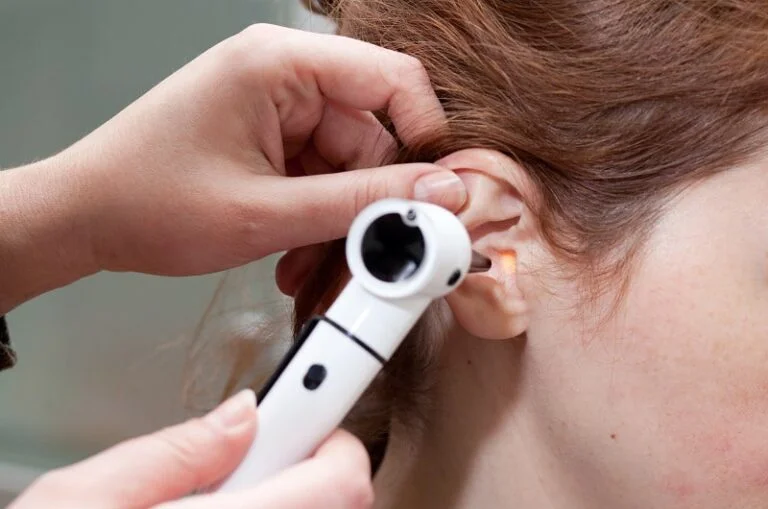
Blog Back Getting Your Hearing Checked Can Improve Your Mood. Here’s Why. July 11, 2022 For many people, your hearing is a part of your health that you take for granted—until you notice a problem. If you experience hearing loss or another issue with your hearing, such as tinnitus, you understand that hearing is an important part of your overall health. Your hearing plays into your well-being and quality of life, so it is essential that you be proactive about your hearing health. In addition, getting your hearing checked can improve your mood as well. Here’s why.The Connection between Mental Health and Physical HealthYour mental health and physical health are closely linked. This is why you might feel down when you are ill or are experiencing physical health challenges. Of course, this applies to more than a cold or the flu, which might make you feel glum for a few days. Taking care of your physical health—including your hearing—can benefit your mental health.For just a moment, forget about learning how good your hearing is and whether you need treatment. The simple act of getting your hearing checked signals to your mind that you are taking care of your physical health and being proactive, which can lead to improved mood and mental health. Even before you learn the results of your hearing test, you may notice an elevated mood. Putting in the time and effort to take care of yourself physically can pay off in your mental health.The Link between Hearing Health and DepressionNumerous studies have shown that hearing loss and depression are linked. Adults with hearing loss, especially untreated hearing loss, are more likely to suffer from depression. While this doesn’t mean you will definitely experience depression if you have hearing loss, it is certainly a link to be aware of.Because of this connection, it is important to get your hearing checked on a regular basis. This will enable you to better understand the current state of your hearing health and take action if needed. Again, those with untreated hearing loss are at a greater risk for depression, so getting tested and treating any hearing loss can help to lower your risk for depression and improve your mood. You can also feel good from knowing that you are taking care of both your physical and mental health by having your hearing checked.Address Hearing Loss DirectlyIn retrospect, many people find that they did not address their hearing loss as directly as they wish they would have. Perhaps they were in denial that they were experiencing hearing loss, or maybe they were reluctant to use hearing aids. On an unconscious (or in some cases, conscious) level, these people knew they were leaving their hearing health untreated.Being proactive and addressing hearing loss directly can boost your mood and help you feel good about yourself and how you are caring for your health. In addition, being more direct about taking care of your hearing can be beneficial in helping you get the treatment you need for hearing loss.For more information about how getting your hearing checked can improve your mood, or to schedule your appointment for a hearing test with our professional team, we welcome you to contact our hearing practice today. Share :