
Blog Back The Impact of Hearing Loss on Relationships and How to Stay Connected April 20, 2026 Hearing loss doesn’t just affect how you perceive sound; it can also influence how you connect with the people around you. From family dynamics to friendships and romantic partnerships, communication challenges can create frustration, misunderstandings, and even emotional distance. The good news is that with awareness, support, and the right strategies, it’s absolutely possible to maintain strong, fulfilling relationships. How Hearing Loss Affects Relationships 1. Family Relationships In families, communication is constant, whether it’s casual conversation at the dinner table or important discussions about daily life and big decisions. When hearing loss is present, it can lead to repeated misunderstandings or missed information. Loved ones may feel like they have to repeat themselves often, while the person with hearing loss may feel embarrassed, excluded, or even withdraw from conversations altogether. 2. Friendships Social settings can be especially challenging. Background noise in restaurants, group conversations, or crowded events can make it difficult to follow along. Over time, this may lead some individuals to avoid social gatherings, which can unintentionally create distance between friends. Others may misinterpret this withdrawal as disinterest, rather than recognizing it as a communication barrier. 3. Romantic Relationships In romantic partnerships, clear communication is essential. Hearing loss can sometimes lead to misinterpretations, frustration, or feelings of being unheard, both literally and emotionally. A partner without hearing loss may feel ignored, while the partner with hearing loss may feel unfairly blamed or overwhelmed. These challenges can strain even strong relationships if not addressed openly. Emotional Impact Beyond communication, hearing loss can affect emotional well-being. Feelings of isolation, anxiety, or reduced confidence are common. Over time, these emotional effects can ripple into relationships, making it even more important to address hearing health proactively. Tips for Improving Communication The key to maintaining healthy relationships is adapting communication in ways that work for everyone involved. Here are some practical strategies: 1. Be Open and Honest Talk openly about hearing loss with your loved ones. Let them know what situations are most challenging and how they can help. Clear communication about communication itself can make a big difference. 2. Get Attention First Before speaking, gently get the person’s attention by saying their name or making eye contact. This ensures they’re ready to listen and reduces missed information. 3. Face Each Other Visual cues like facial expressions and lip movements are incredibly helpful. Try to face each other directly when speaking, especially in important conversations. 4. Reduce Background Noise> Whenever possible, minimize competing sounds. Turn off the TV during conversations and choose quieter environments for socializing. 5. Speak Clearly, Not Loudly Shouting can distort speech and make understanding more difficult. Instead, speak at a natural pace and volume, and enunciate clearly. 6. Use Technology Hearing aids and assistive listening devices can significantly improve communication. Modern hearing aids are discreet, effective, and can even connect to smartphones for enhanced sound clarity. Managing Stress and Strengthening Connections It’s important to recognize that both individuals, those with hearing loss and their loved ones, may feel frustrated at times. Patience and empathy go a long way. Consider these additional tips: Practice active listening: Both parties should make an effort to stay engaged and confirm understanding. Take breaks when needed: Communication fatigue is real. Short breaks can help reset and reduce frustration. Seek professional support: Hearing professionals can provide not only hearing solutions but also communication counseling for patients and families. Staying Connected Hearing loss may present challenges, but it doesn’t have to define your relationships. With the right tools, strategies, and support, meaningful communication is absolutely achievable. By addressing hearing loss early and working together, you can strengthen your connections and continue to enjoy the conversations that matter most. We invite you to contact our hearing practice today for more information. Share :
Category: Uncategorized
Can Adults Get Cochlear Implants? Yes!
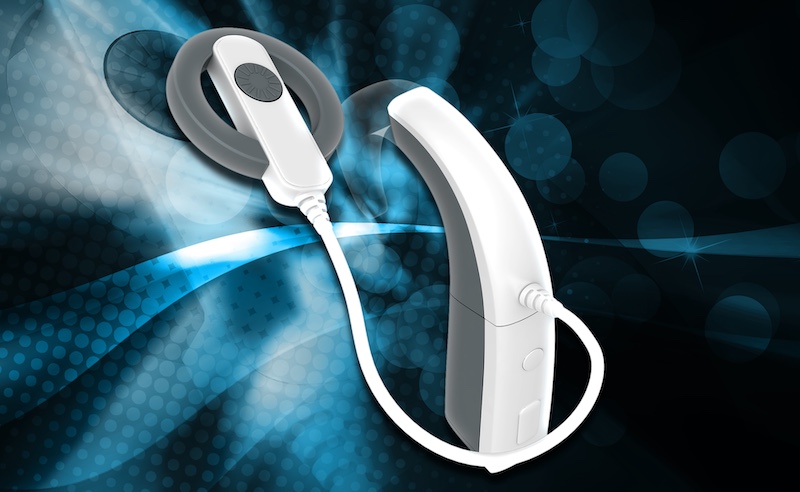
Blog Back Can Adults Get Cochlear Implants? Yes! March 23, 2026 When most people think about cochlear implants, they picture young children born with significant hearing loss. While cochlear implants can be life-changing for children, many adults are surprised to learn that they may also be candidates. In fact, thousands of adults each year choose cochlear implants to reconnect with the sounds and people they love. If you’re an adult struggling with hearing loss, here’s what you should know. What Is a Cochlear Implant?A cochlear implant is a small electronic medical device designed for individuals with severe to profound sensorineural hearing loss. Unlike hearing aids, which amplify sounds to make them louder, cochlear implants bypass the damaged parts of the inner ear and directly stimulate the auditory nerve. The device has two main components: An internal portion that is surgically placed under the skin behind the ear An external sound processor worn behind the ear Together, they work to convert sound into electrical signals that the brain can interpret as meaningful sound. Can Adults Get Cochlear Implants?Yes, adults absolutely can get cochlear implants. Many adult candidates have experienced progressive hearing loss over time. Others may have sudden hearing loss or long-standing hearing impairment that hearing aids no longer adequately address. You may be a candidate if: You have severe to profound hearing loss in one or both ears Hearing aids provide limited benefit You struggle to understand speech, even with properly fitted hearing aids Hearing loss significantly impacts your daily life A hearing specialist can conduct comprehensive testing to determine whether a cochlear implant is appropriate for you. Why Hearing Aids Sometimes Aren’t EnoughHearing aids are an excellent solution for many types of hearing loss. However, when the inner ear’s hair cells are significantly damaged, simply making sound louder does not improve clarity. Speech may still sound muffled or distorted. In these cases, a cochlear implant can provide clearer access to speech by bypassing the damaged structures entirely. For adults who feel frustrated because they “can hear but can’t understand,” this technology can be a turning point. What Is the Process Like for Getting Cochlear Implants?The process of getting cochlear implants typically involves several steps: Comprehensive Hearing EvaluationYour hearing specialist will perform detailed testing to evaluate your hearing levels and speech understanding with hearing aids. Medical EvaluationAn ear, nose, and throat (ENT) physician will assess your overall ear health and determine surgical candidacy. SurgeryThe outpatient procedure usually takes a few hours. Most adults return home the same day. Activation and ProgrammingA few weeks after surgery, the external processor is fitted and activated. Your hearing specialist will program the device and adjust it over time. RehabilitationAuditory therapy and practice are essential as your brain adapts to hearing in a new way. It’s important to know that cochlear implants do not restore “normal” hearing. Instead, they provide access to sound in a different way. With time and consistent use, many adults report significant improvements in speech understanding and overall communication. What Results Can Adults Expect from Cochlear Implants?Outcomes vary depending on factors such as how long you’ve had hearing loss and your overall auditory health. However, many adults experience: Improved speech understanding, even in challenging environments Better phone communication Greater confidence in social situations Reduced listening fatigue For many, the greatest benefit is renewed connection with family, friends, coworkers, and the world around them. Is It Too Late to Get Cochlear Implants?A common concern among adults is, “Am I too old for a cochlear implant?” Age alone is not a barrier. Adults in their 60s, 70s, and even 80s can successfully receive cochlear implants. The most important factors are your hearing profile, overall health, and personal goals. If hearing loss is limiting your quality of life, it’s worth exploring your options. If you’re curious whether a cochlear implant could be right for you, our team is here to help. We welcome you to contact us today to learn more. Share :
7 Tips for Getting Used to New Hearing Aids
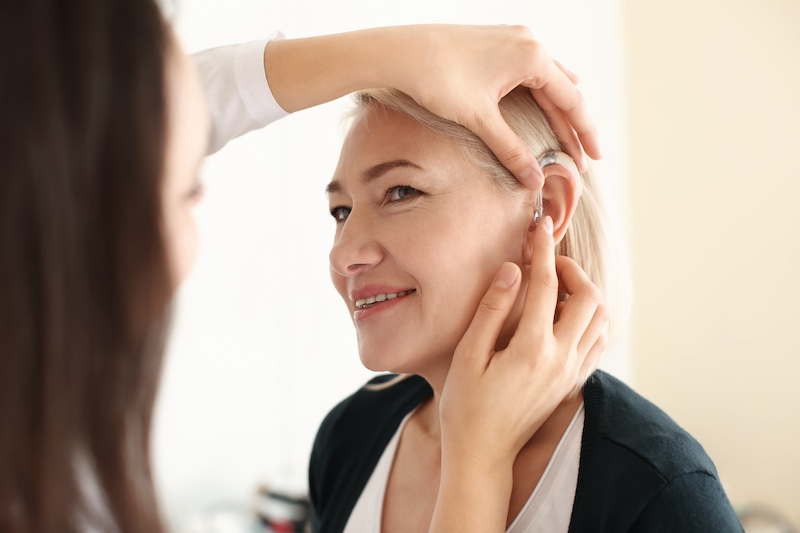
Blog Back 7 Tips for Getting Used to New Hearing Aids March 16, 2026 Getting new hearing aids is an exciting step toward better hearing and better connections with the people around you. At the same time, it’s completely normal for the adjustment period to feel a little overwhelming. If everyday sounds seem sharper, louder, or simply “different,” don’t worry. Your brain just needs time to adapt. Here are some practical, reassuring tips to help you get comfortable with your new hearing aids. 1. Give Yourself Time to AdjustHearing aids don’t just amplify sound—they reintroduce your brain to sounds it may not have heard clearly in months or even years. Things like footsteps, rustling paper, birds chirping, or the hum of your refrigerator might suddenly stand out. This is part of a process called auditory adaptation. Your brain needs time to relearn which sounds are important and which can fade into the background. Most people adjust within a few weeks, especially if they wear their devices consistently. 2. Wear Them ConsistentlyOne of the most important tips is simple: wear your hearing aids every day. Start by wearing them for several hours at a time, gradually increasing to all waking hours. The more consistently you wear them, the faster your brain adapts. Taking long breaks can slow down the adjustment process. Think of it like breaking in a new pair of shoes. Steady use helps them feel natural more quickly. 3. Start in Quiet EnvironmentsIn the beginning, try wearing your hearing aids in calm, familiar settings, such as at home. Practice listening to: Conversations with one family member Television at a moderate volume Everyday household sounds Once you feel more comfortable, gradually introduce more challenging environments, like restaurants or social gatherings. This step-by-step approach can build confidence and reduce frustration. 4. Practice Active ListeningYour brain may need practice distinguishing speech from background noise. Face the person speaking, maintain eye contact, and reduce competing noise when possible (for example, turn off the TV during conversations). If you miss something, it’s okay to ask someone to repeat themselves. Clear communication is part of the adjustment process. 5. Expect Your Own Voice to Sound DifferentMany new wearers notice that their own voice sounds louder or slightly “echoey” at first. This sensation is common and typically fades as your brain adjusts. If it continues to feel uncomfortable, your hearing specialist can fine-tune your devices. 6. Keep Follow-Up AppointmentsYour initial fitting is just the beginning. Follow-up visits are essential to make small programming adjustments based on your real-world experiences. Be prepared to share specific examples with your hearing specialist: Are certain sounds too sharp? Is speech still unclear in noise? Does one ear feel louder than the other? These details help your hearing specialist customize your hearing aids to your needs. 7. Take Care of Your DevicesClean your hearing aids daily and store them properly when not in use. Proper maintenance ensures consistent performance and reduces the chance of irritation or malfunction. If you ever experience discomfort, feedback (whistling), or technical issues, contact your hearing specialist office promptly rather than stopping use altogether. Adjusting to hearing aids is a process, but it’s one that leads to better communication, stronger relationships, and improved quality of life. With patience, consistent wear, and support from your hearing team, your new hearing aids will soon feel like a natural part of your daily routine. If you have questions or need adjustments, we’re here to help every step of the way. We welcome you to contact us today for more information or to schedule an appointment. Share :
The Connection Between Hearing Loss and Hypothyroidism

Blog Back The Connection Between Hearing Loss and Hypothyroidism November 18, 2025 For many people, the most well-known and obvious symptoms of hypothyroidism include fatigue, weight gain, or feeling cold all the time. But did you know that thyroid function can also affect your hearing? While it may not be as widely discussed, research has shown a meaningful connection between hypothyroidism and hearing loss. Understanding this relationship can help you take proactive steps to protect both your overall health and your hearing. What Is Hypothyroidism? Hypothyroidism occurs when the thyroid gland, which is a small, butterfly-shaped gland in the neck, does not produce enough thyroid hormones. These hormones play a crucial role in regulating metabolism, energy production, and the function of many organs throughout the body. Common symptoms of hypothyroidism include: Fatigue Weight gain Depression Dry skin Constipation Cold sensitivity Brain fog Because thyroid hormones influence nearly every system in the body, it’s not surprising that the auditory system can also be affected. How Hypothyroidism Can Impact Hearing Thyroid hormones are essential for proper nerve function and circulation, both of which are critical for healthy hearing. Studies suggest that people with hypothyroidism may experience: Sensorineural hearing loss (damage to the inner ear or auditory nerve) Conductive hearing loss (related to issues in the middle ear) Mixed hearing loss (a combination of both) Tinnitus (ringing in the ears) There are several possible explanations for this connection: Nerve Function: Low thyroid hormone levels can impair the function of the auditory nerve. Fluid Balance: Hypothyroidism may affect fluid regulation in the inner ear, which is vital for sound processing. Circulation: Reduced blood flow can affect the delicate structures of the cochlea. Autoimmune Factors: Conditions like Hashimoto’s thyroiditis (an autoimmune form of hypothyroidism) may increase inflammation that impacts hearing. In some cases, hearing changes are subtle and gradual, making them easy to overlook. Treatment Options for Hypothyroidism The primary treatment for hypothyroidism is thyroid hormone replacement therapy, most commonly in the form of levothyroxine. This medication restores hormone levels to a healthy range and typically improves many systemic symptoms. With proper thyroid management: Energy levels often improve Metabolism stabilizes Cognitive clarity increases In some individuals, hearing may partially improve once thyroid levels are normalized, particularly if the hearing changes were mild and identified early. However, hearing recovery is not guaranteed, which makes early detection important. Treatment Options for Hearing Loss If hearing loss persists despite appropriate thyroid treatment, there are excellent solutions available. Hearing aids are the most common and effective treatment for sensorineural hearing loss. Modern devices are discreet, comfortable, and highly advanced, capable of filtering background noise and improving speech clarity. For more severe cases, cochlear implants may be an option. These devices bypass damaged portions of the ear and directly stimulate the auditory nerve. If tinnitus is present, sound therapy, hearing aids with tinnitus masking features, and counseling strategies can help reduce its impact. The most important first step is a comprehensive hearing evaluation. If you have hypothyroidism and notice difficulty hearing conversations, needing to turn up the TV, or persistent ringing in your ears, it’s wise to schedule a hearing test. A Collaborative Approach to Care Because hypothyroidism affects multiple systems in the body, coordination between your primary care provider, endocrinologist, and hearing specialist is key. Managing thyroid levels while addressing hearing concerns ensures you receive comprehensive, personalized care. If you have hypothyroidism (or suspect you might) and are experiencing changes in your hearing, don’t ignore them. Early evaluation and treatment can make a meaningful difference in your quality of life. We welcome you to contact us today to learn more about the connection between hearing loss and hypothyroidism. Share :
Teenagers and Hearing Aids: What Parents and Teens Should Know
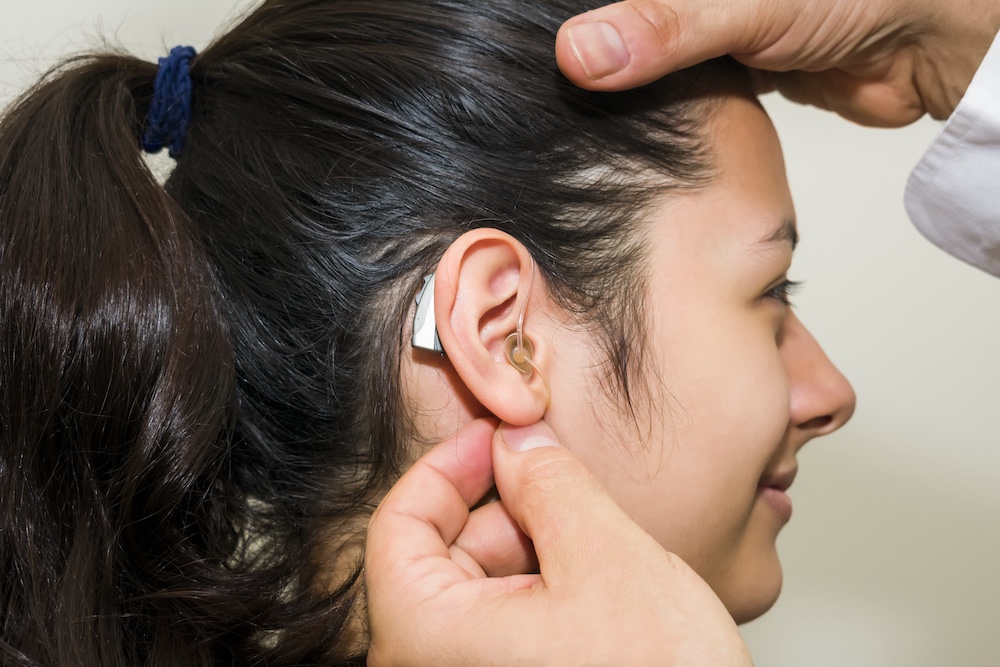
Blog Back Teenagers and Hearing Aids: What Parents and Teens Should Know February 15, 2026 When most people think about hearing aids, they often picture older adults. But hearing loss can affect individuals of all ages, including teenagers. Whether caused by genetics, frequent ear infections, noise exposure, or other medical conditions, hearing loss during the teen years can impact academics, social life, and self-confidence.The good news? With early detection and the right support, teens with hearing loss can thrive. Signs of Hearing Loss in TeenagersHearing loss in teens can sometimes be subtle or mistaken for inattentiveness or moodiness. Keep an eye out for these common signs: Frequently saying “What?” or asking others to repeat themselves Turning up the volume on TVs, phones, or music louder than usual Difficulty hearing in noisy environments like classrooms or restaurants Complaints of ringing in the ears (tinnitus) Struggling academically, especially with verbal instructions Withdrawing from social situations Appearing frustrated during conversations Because teenagers are often exposed to loud music through headphones/earbuds, concerts, and sporting events, noise-induced hearing loss is increasingly common. If you notice any of these signs, it’s important to take action promptly. What to Do If You Suspect Hearing LossThe first step is scheduling a comprehensive hearing evaluation with a licensed audiologist. A full hearing test will determine whether hearing loss is present, identify its type and severity, and guide next steps. If hearing loss is diagnosed, your hearing specialist will discuss treatment options. In many cases, hearing aids may be recommended. Early intervention is key. Addressing hearing challenges sooner rather than later can help protect academic performance, social development, and emotional well-being. It’s also important to involve your teenager in the process. Open communication helps teens feel empowered rather than singled out. Hearing Aid Options for TeenagersToday’s hearing aids are more advanced and more teen-friendly than ever before. Many devices are small, discreet, and packed with features designed for active lifestyles. Common options include: Behind-the-ear (BTE) hearing aids: Durable and powerful, often recommended for younger patients. Receiver-in-canal (RIC) hearing aids: Smaller and more discreet while still providing excellent sound quality. Bluetooth-enabled hearing aids: Allow direct streaming from smartphones, tablets, and other devices. Can be a good choice for school and social life. Rechargeable models: Convenient for busy teens who may not want to manage small disposable batteries. Many teens appreciate customizable features such as color options or sleek designs. Today’s technology allows hearing aids to blend seamlessly into everyday life. Tips for Teens Using Hearing AidsAdjusting to hearing aids takes time, but a few simple habits can make a big difference: Wear them consistently.Daily use helps the brain adapt to new sounds and improves overall comfort and performance. Keep them clean and dry.Wipe them down each night and store them in a protective case. Avoid moisture exposure during showers, swimming, or sports unless using protective gear. Charge or change batteries regularly.Make it part of your nightly routine to ensure they’re ready for the next day. Protect your hearing.Even with hearing aids, teens should avoid excessive noise and use ear protection at concerts or loud events. Speak up about challenges.If something doesn’t sound right or feels uncomfortable, let your hearing specialist know. Adjustments can almost always be made. Hearing loss during the teenage years can feel overwhelming at first, but it doesn’t have to limit your child’s potential. With proper evaluation, advanced hearing technology, and ongoing support, teenagers can stay connected, confident, and fully engaged in school, friendships, and everyday life. If you have concerns about your teen’s hearing, our team is here to help every step of the way. We invite you to contact us today to learn more. Share :
Hyperbaric Oxygen Therapy for Sudden Hearing Loss: What You Should Know

Blog Back Hyperbaric Oxygen Therapy for Sudden Hearing Loss: What You Should Know January 26, 2026 Hyperbaric Oxygen Therapy for Sudden Hearing Loss: What You Should KnowSudden hearing loss can be frightening and confusing. One day your hearing is normal, and the next you may notice muffled sounds, pressure in the ear, or a dramatic drop in hearing—often in just one ear. This condition, commonly referred to as Sudden Sensorineural Hearing Loss (SSNHL), is considered a medical emergency. The sooner it is evaluated and treated, the better the chances of recovery. One treatment option that has gained increasing attention is Hyperbaric Oxygen Therapy (HBOT). What Is Sudden Sensorineural Hearing Loss?SSNHL typically occurs within a 72-hour period and is often unexplained. Possible contributing factors include viral infections, reduced blood flow to the inner ear, inflammation, or immune-related responses. Because the inner ear relies on a very delicate blood and oxygen supply, even a brief disruption can affect hearing. What Is Hyperbaric Oxygen Therapy?Hyperbaric Oxygen Therapy involves breathing 100% oxygen in a pressurized chamber. Under these conditions, oxygen is able to dissolve more efficiently into the bloodstream and reach areas of the body that may be deprived of adequate oxygen, such as the inner ear. HBOT has long been used for conditions like wound healing and decompression sickness, and research has shown it may also be beneficial for sudden hearing loss. How HBOT May Help Sudden Hearing LossThe inner ear is highly sensitive to oxygen levels. When blood flow or oxygen delivery is compromised, the sensory cells responsible for hearing can become injured or stop functioning properly. HBOT increases the amount of oxygen delivered to the cochlea, which may help reduce inflammation, improve circulation, and support cellular repair. In some cases, this enhanced oxygen delivery may help restore hearing or prevent further damage. Timing MattersHBOT is most effective when started as soon as possible after the onset of sudden hearing loss, ideally within the first two weeks. It is often used in combination with other treatments, such as corticosteroids, rather than as a stand-alone therapy. A hearing specialist plays a critical role in identifying hearing changes early and coordinating care with medical providers. What to Expect During TreatmentDuring an HBOT session, patients relax inside a chamber while breathing oxygen for about 60 to 90 minutes. A typical treatment plan may involve multiple sessions over several days or weeks. Most people tolerate HBOT well, though some may experience temporary ear pressure or mild fatigue. Is HBOT Right for You?Not every patient with sudden hearing loss is a candidate for hyperbaric oxygen therapy. A comprehensive hearing evaluation, including a hearing test, is essential to determine the severity and type of hearing loss. Your hearing specialist can help guide you through available treatment options and refer you to appropriate medical specialists if HBOT is being considered. Early Action Makes a DifferenceIf you or a loved one experiences sudden hearing loss, don’t wait. Prompt evaluation and treatment can significantly improve outcomes. Hyperbaric oxygen therapy may be a valuable part of a comprehensive treatment approach. To learn more, we welcome you to contact our hearing practice today. Share :