
Blog Back 6 New Year’s Resolutions for People with Hearing Loss January 19, 2026 6 New Year’s Resolutions for People with Hearing LossThe New Year is a natural time for fresh starts and healthy habits. If you or a loved one has hearing loss, this is a wonderful opportunity to set goals that support better communication, confidence, and overall well-being. Small, realistic resolutions can make a big difference in how you hear and connect with the world around you.Here are some practical and achievable New Year’s resolutions for people with hearing loss. 1. Schedule (or Keep) Your Hearing CheckupJust like an annual physical or eye exam, regular hearing evaluations are essential. If it’s been a year (or longer) since your last hearing test, make this the year you prioritize it. Hearing can change gradually, and early detection allows for better treatment options and outcomes. For hearing aid users, routine checkups ensure devices are programmed optimally and working their best. 2. Commit to Wearing Your Hearing Aids ConsistentlyOne of the most common challenges we see is inconsistent hearing aid use. If your resolution is to wear your hearing aids daily, you’re setting yourself up for success. Consistent use helps your brain adapt to sound, improves speech understanding, and reduces listening fatigue. Start with manageable goals, like wearing them during social activities, and build from there. 3. Improve Communication HabitsHearing well isn’t just about technology; it’s also about communication strategies. This year, resolve to advocate for yourself. That might mean asking others to face you when speaking, reducing background noise when possible, or choosing quieter seating at restaurants. Clear communication benefits everyone involved and reduces frustration on both sides. 4. Explore New or Updated TechnologyHearing technology continues to improve every year. If your devices are several years old, consider learning about newer options. Today’s hearing aids often offer better sound clarity, rechargeable batteries, Bluetooth connectivity, and advanced noise reduction. Even small upgrades, like new accessories or updated programming, can significantly enhance your listening experience. 5. Protect the Hearing You HaveHearing protection is an often-overlooked resolution. Whether you attend concerts, use power tools, or work in noisy environments, protecting your hearing is key to preventing further loss. Keep earplugs handy and be mindful of volume levels when using headphones or earbuds. Prevention is one of the best gifts you can give your future self. 6. Stay Social and EngagedHearing loss can sometimes lead people to withdraw from social situations, especially if listening feels difficult. This year, make it a goal to stay engaged. Join a group, attend family gatherings, or participate in hobbies you enjoy. Better hearing support, combined with confidence-building strategies, can help you stay connected and improve emotional well-being. A Resolution That Lasts All YearNew Year’s resolutions don’t have to be overwhelming to be effective. By focusing on your hearing health, you’re investing in clearer communication, stronger relationships, and a better quality of life.If you’re ready to start the year hearing your best, our team is here to help every step of the way. We welcome you to contact our hearing office today to learn Share :
Category: Uncategorized
7 Air Travel Tips for People with Hearing Aids

Blog Back 7 Air Travel Tips for People with Hearing Aids December 22, 2025 Flying with hearing aids doesn’t have to be stressful. With a little preparation and a few smart habits, you can stay comfortable, confident, and connected throughout your journey. Whether you’re an experienced traveler or gearing up for your first flight with hearing devices, these 7 simple tips can help you navigate air travel with ease. 1. Keep Your Hearing Aids On Through SecurityGood news: you can wear your hearing aids through airport security without removing them. Modern devices do not interfere with scanners, and TSA agents are trained to work with passengers who use hearing technology. If you prefer, you can let the agent know you’re wearing hearing aids, but it’s not required. Keeping them on also ensures you don’t miss important announcements or instructions. 2. Pack a Travel Kit With EssentialsA dedicated hearing aid travel kit can make a world of difference. Be sure to include items such as: Extra batteries or your charging case A cleaning cloth and small brush Wax guards Drying capsules or a portable dehumidifier A hard-shell case Store this kit in your carry-on, not your checked luggage, so you have everything you need on hand if delays or changes occur. 3. Bring Backup PowerFlights and layovers can be unpredictable. If you use rechargeable hearing aids, make sure they’re fully charged before you leave and bring your charger, charging cable, and a power bank. For battery-powered devices, pack more batteries than you think you’ll need. Temperature changes and long travel days can drain power faster than usual. 4. Use Accessibility Tools While in the AirportAirports are full of noise and movement, making it easy to miss gate announcements or boarding changes. Many airports now offer visual display boards, captioned announcements, and assistance services. If you’re unsure, check the airport’s website or stop by the customer service desk. You can also download your airline’s app for real-time alerts and boarding updates. 5. Stay Comfortable During Takeoff and LandingChanges in air pressure can sometimes cause ear discomfort, especially for passengers with hearing loss. While hearing aids themselves don’t typically worsen pressure changes, you can ease discomfort by yawning, swallowing, chewing gum, or using specialized earplugs designed for pressure regulation. If you experience ongoing pain, talk with your hearing care provider before your trip. 6. Protect Your Devices on the PlaneWhen on board, you can continue wearing your hearing aids throughout the entire flight—even during takeoff and landing. Just be cautious when adjusting headrests, neck pillows, or face masks, which can sometimes dislodge devices. If you choose to remove your hearing aids for a nap, store them in their case so they don’t get lost in the seat or fall to the floor. 7. Don’t Hesitate to Ask for HelpAirline staff are familiar with assisting travelers who use hearing devices. Whether you need help confirming an announcement, understanding instructions, or boarding early for extra time, the crew is there to support you. With the right preparation, air travel with hearing aids can be smooth and stress-free. If you have specific concerns about flying with your devices or want to make sure they’re in top shape before your trip, our team is here to help you. We invite you to contact us for more information. Share :
Tinnitus Habituation: Training Your Brain to Turn Down the Noise

Blog Back Tinnitus Habituation: Training Your Brain to Turn Down the Noise December 15, 2025 If you live with tinnitus, which is a ringing, buzzing, or humming sound that only you can hear, you know how disruptive it can be. The good news is that many people find real relief through a process called tinnitus habituation. This approach doesn’t “cure” tinnitus, but it can dramatically reduce how much the sound bothers you, giving you back a sense of peace and control. What Is Tinnitus Habituation?Tinnitus habituation is the process of teaching your brain to tune out the internal noise of tinnitus so that it no longer triggers stress, frustration, or constant attention. It works on the principle that the brain is excellent at filtering out sounds it considers unimportant. For example, you don’t notice the hum of the refrigerator or the traffic noise outside once you get used to them. Habituation helps your brain treat tinnitus the same way: as background noise that fades into the distance.This approach is a key element of several evidence-based tinnitus management programs, including Tinnitus Retraining Therapy (TRT) and sound therapy. The goal is not to eliminate the sound completely, but to reduce its emotional and physical impact. How Do You Practice Tinnitus Habituation?Habituation takes time, consistency, and support from hearing professionals. Here are the core steps involved: 1. Use Sound TherapyIntroducing gentle background sound helps your brain stop zeroing in on your tinnitus. Common options include: White noise machines Soft fan noise Nature sounds Low-level music Specialized sound therapy programs This steady external sound makes the tinnitus less noticeable, allowing your nervous system to relax. 2. Address Stress and Emotional ResponseTinnitus and stress often feed off each other. When you focus on the noise, your stress increases, and the ringing feels louder. Techniques such as mindfulness, deep breathing, and cognitive-behavioral strategies help you break this cycle. Over time, your emotional response to tinnitus softens, making habituation easier. 3. Reframe How You Think About TinnitusWorking with a hearing specialist or tinnitus-trained provider can help you understand what tinnitus is—and what it isn’t. Learning that tinnitus is a benign (though annoying) signal can reduce fear and frustration. When your brain stops interpreting the sound as a “threat,” it becomes easier to ignore. 4. Improve Hearing When NeededFor many people, untreated hearing loss makes tinnitus more noticeable. Using hearing aids can amplify everyday sounds and naturally push tinnitus into the background, speeding up the habituation process. Benefits of Tinnitus HabituationThe biggest benefit is relief, not by changing the sound itself, but by reducing how much it affects your daily life. People who go through habituation often experience: Reduced stress and anxiety Improved sleep and concentration Less emotional distress around tinnitus sounds Greater sense of control and calm Better overall quality of life Many patients say that after successful habituation, they still hear their tinnitus occasionally, but it simply doesn’t bother them anymore, and that’s the true goal. If tinnitus is interfering with your daily life, you don’t have to face it alone. Our hearing specialists can guide you through a personalized habituation plan and help you find lasting relief. We welcome you to contact us today for more information. Share :
How Long Do Hearing Aids Last?

Blog Back How Long Do Hearing Aids Last? November 18, 2025 If you wear hearing aids or are considering getting them, you might wonder how long they’ll last before needing to be replaced. Like most modern technology, hearing aids are built to be durable and reliable, but they don’t last forever. On average, most hearing aids last about five years. Their actual lifespan depends on several factors, including maintenance, daily use, and technological advancements. Let’s take a closer look at what influences hearing aid longevity and how you can help yours last as long as possible. The Average Lifespan of Hearing AidsMost high-quality hearing aids are designed to function well for approxmately five years, and sometimes can last up to seven years with good maintenance. In some cases, hearing aids may need replacement sooner due to wear and tear or changes in your hearing. The materials used, the environment in which you wear them, and how well you maintain them all affect their durability. For example, behind-the-ear (BTE) styles often last a bit longer than smaller, completely-in-canal (CIC) styles because their components are slightly larger and more protected. Factors That Affect Hearing Aid Longevity Daily Use and Environment: Hearing aids are exposed to moisture, earwax, oils, and dust every day. If you live in a humid or dusty climate, or if you engage in activities where you sweat frequently, your hearing aids may wear out faster. Maintenance and Care: Regular cleaning and professional check-ups make a big difference. Removing earwax buildup, storing hearing aids in a dry place, and having them serviced by your hearing provider can extend their life. Technology Updates: Even if your hearing aids are still working, you might choose to upgrade sooner to benefit from new features like improved noise reduction, rechargeable batteries, or Bluetooth connectivity. Many patients replace their devices after about five years simply to enjoy the latest technology. Changes in Hearing or Health: Your hearing can change over time. If your current hearing aids no longer meet your hearing needs, your hearing specialist may recommend an adjustment or replacement. Signs It Might Be Time for New Hearing AidsYou may want to consider replacing your hearing aids if you notice: More frequent repairs or inconsistent performance Difficulty understanding speech, even with your devices Shorter battery life than before Outdated features that no longer fit your lifestyle If you’re unsure whether your hearing aids need replacing, your hearing specialist can evaluate their performance and recommend the best next steps. 4. Tips to Make Your Hearing Aids Last Longer Clean them daily with a soft, dry cloth. Avoid exposure to moisture—remove them before showering or swimming. Store them in a dry box or dehumidifier overnight. Schedule regular professional cleanings and performance checks. In SummaryWhile most hearing aids last around five years, proper care and maintenance can extend their lifespan. Regular check-ups with your hearing provider not only keep your devices working their best, but also ensure that your hearing needs are being met as they change over time. If your hearing aids are showing signs of wear or it’s been several years since your last update, we invite you to contact our practice today. We are here to meet your needs. Share :
When Infections Affect Your Hearing: The Link between Illness and Hearing Loss

Blog Back When Infections Affect Your Hearing: The Link between Illness and Hearing Loss June 9, 2026 It’s easy to take your hearing for granted—until something changes. While hearing loss and tinnitus (ringing in the ears) can develop for many reasons, one often-overlooked cause is infection. Certain bacterial and viral infections can damage delicate parts of the ear or auditory nerve, leading to temporary or even permanent hearing changes. Understanding which infections can impact your hearing and how to protect yourself can make a big difference in long-term ear health. Common Infections Linked to Hearing Loss and Tinnitus Middle Ear Infections (Otitis Media) Middle ear infections are especially common in children but can affect adults, too. These infections occur when fluid builds up behind the eardrum, often following a cold or upper respiratory infection. The trapped fluid can reduce sound transmission, leading to temporary hearing loss or a “muffled” sensation. Chronic or repeated ear infections can cause long-term damage to the middle ear structures, increasing the risk of permanent hearing loss. Inner Ear Infections (Labyrinthitis or Vestibular Neuritis) When an infection spreads to the inner ear, it can affect both hearing and balance. Labyrinthitis, which is an infection of the inner ear’s labyrinth, can cause dizziness, vertigo, and hearing loss. It is sometimes accompanied by tinnitus as well. Viral infections such as the flu, measles, or herpes viruses are common culprits. In some cases, damage to the auditory nerve may result in lasting hearing loss. Meningitis Bacterial meningitis is a serious infection that causes inflammation around the brain and spinal cord. Unfortunately, it can also damage the auditory nerve or inner ear structures, making hearing loss one of its most common complications. Children who recover from meningitis are often screened for hearing issues, since early intervention can greatly improve long-term outcomes. Measles, Mumps, and Rubella (MMR) Before widespread vaccination, these viral infections were major causes of hearing loss in children. The measles and mumps viruses can attack the inner ear, leading to sudden or permanent hearing loss. Thanks to vaccines, these cases are now rare, but unvaccinated individuals remain at risk. COVID-19 and Other Viral Infections Recent studies suggest that COVID-19 and other respiratory viruses may, in some cases, cause inflammation in the auditory system that results in temporary hearing loss or tinnitus. Although research is ongoing, these findings remind us that viral infections can have unexpected effects on hearing health. The following have also been linked to hearing loss: Cerebral malaria (Plasmodium falciparum) Cytomegalovirus Ebola virus Epstein-Barr virus Group B streptococcus Haemophilus influenzae Herpes simplex Human immunodeficiency virus Lassa virus Lyme disease (Borrelia burgdorferi) Lymphocytic choriomeningitis virus Non-polio enteroviruses Pneumococcal disease (Streptococcus pneumoniae) Respiratory syncytial virus Rubella Syphilis Toxoplasmosis Varicella zoster virus West Nile virus Zika virus Recognizing the Symptoms If you notice symptoms like ear pain, fullness, drainage, dizziness, or a sudden change in hearing, it’s important to see a healthcare provider promptly. Tinnitus or hearing loss that appears after an illness should never be ignored. Early treatment can often prevent permanent damage. Protecting Your Hearing Stay up to date on vaccines, including MMR, flu, and meningitis shots. Treat ear and sinus infections early to prevent complications. Avoid inserting objects or cotton swabs into the ear canal, which can worsen infection or injury. Schedule regular hearing checkups, especially after severe illness or ear infections. At our hearing practice, our team specializes in diagnosing and treating hearing loss and tinnitus related to infections and other causes. If you’ve experienced recent hearing changes or persistent ringing in your ears, we’re here to help you find answers and restore your hearing health. We welcome you to contact us today for more information and to schedule an appointment. What is Listening Fatigue? Listening fatigue occurs when the brain has to work extra hard to process sounds and understand speech. Normally, hearing should feel effortless. However, when hearing is reduced or sound quality is unclear, the brain must u201cfill in the gapsu201d to make sense of conversations and surrounding noises. This constant effort can become mentally draining over time. People with listening fatigue often describe feeling tired, stressed, irritable, or unable to focus after social interactions or noisy environments. Even simple conversations may feel exhausting by the end of the day. Listening fatigue is not simply u201cbeing tired.u201d It is a real cognitive strain caused by the increased mental energy needed to hear and understand speech. Who Is Most Likely to Experience Listening Fatigue? Listening fatigue can affect people of all ages, but it is especially common among individuals with hearing challenges. Some groups that are more likely to experience it include: People with untreated hearing loss Individuals who work in noisy environments Older adults with age-related hearing changes People who struggle to hear in crowds or group conversations Children and students with hearing difficulties Individuals with hearing aids that are outdated or improperly adjusted Even mild hearing loss can contribute to listening fatigue. In many cases, people may not realize their hearing is the issue. Instead, they may assume they are simply stressed, distracted, or overly tired. Signs of Listening Fatigue Listening fatigue can show up in several ways, including: Feeling exhausted after conversations Difficulty concentrating Trouble remembering details from discussions Increased frustration or irritability Avoiding social situations Headaches or mental fog after noisy activities Over time, listening fatigue may lead some people to withdraw from social interactions because conversations feel too difficult or tiring. How to Manage Listening Fatigue The good news is that listening fatigue can often be improved with the right support and strategies. Schedule a Hearing Evaluation The first step is identifying whether hearing loss may be contributing to the problem. A comprehensive hearing test can determine if hearing changes are present and help guide treatment options. Consider Hearing Aids Modern hearing aids can reduce listening effort by making speech clearer and easier to understand. Many devices also include advanced features designed to reduce background noise and improve communication in challenging environments. Take Listening Breaks Just as… Continue reading When Infections Affect Your Hearing: The Link between Illness and Hearing Loss
What to Do If You Lose a Hearing Aid
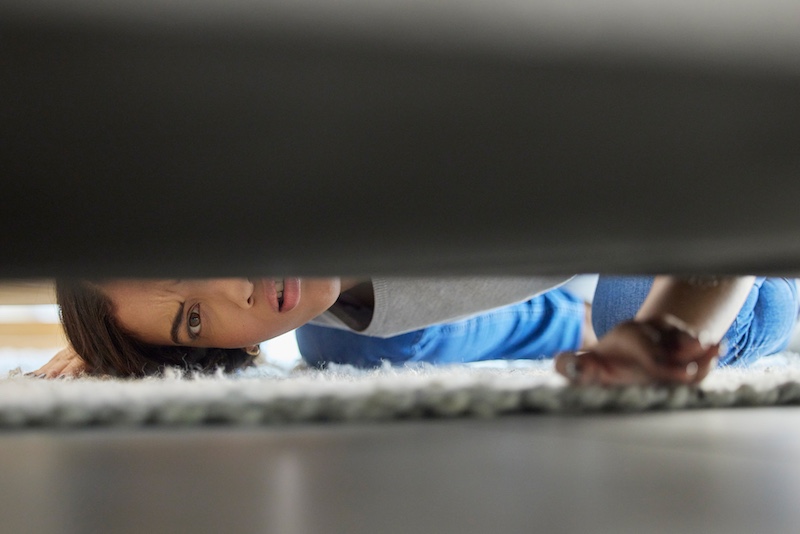
Blog Back What to Do If You Lose a Hearing Aid October 28, 2025 Losing a hearing aid can feel stressful, especially if you rely on it every day to stay connected and engaged. Whether it slipped out during a walk, got misplaced at home, or was accidentally damaged, the good news is that there are clear steps you can take to recover or replace your hearing aid as quickly as possible. Here’s what to do if you lose a hearing aid and how your hearing care provider can help. Stay Calm and Start Your SearchBefore assuming your hearing aid is gone for good, take a deep breath and retrace your steps. Most hearing aids are small and easy to overlook, especially if they’ve blended into carpet or furniture. Check common areas: Look in the bathroom, bedroom, car, or wherever you usually remove your hearing aids. Inspect clothing and bedding: Hearing aids can easily fall into pockets, under pillows, or between couch cushions. Use the “find my hearing aid” feature: Many modern hearing aids connect to smartphone apps that can help you locate them using Bluetooth tracking or show their last known location. If you wear both hearing aids, handle the remaining one carefully. It can help your hearing care provider identify the model and make replacing the lost one easier. Contact Your Hearing Care ProviderIf your search doesn’t turn up the missing device, your next step should be to contact your hearing care practice. Your provider can help determine whether your hearing aid can be replaced or repaired under warranty. They’ll also guide you through ordering a replacement if needed.Your hearing specialist may also have records of your hearing aid’s make, model, and settings. This can save you time and ensure your replacement matches your exact hearing prescription. Check for Insurance or Loss CoverageMany hearing aids come with a manufacturer’s warranty or optional loss and damage coverage. If you purchased such a plan, you may only need to pay a small deductible to receive a replacement.If you don’t have coverage, your hearing care provider can discuss your options. These might include purchasing a replacement hearing aid or upgrading to a newer model with better features and improved tracking options. Prevent Future LossOnce you’ve replaced your hearing aid, it’s worth taking a few steps to reduce the chances of losing it again. Create a routine: Store your hearing aids in the same safe spot each night, ideally in a case or charging station. Use retention accessories: Small clips or cords can help secure hearing aids, especially during exercise or outdoor activities. Enable tracking features: If your hearing aids connect to an app, keep the “find my hearing aid” function activated. Schedule regular cleanings and checks: Your provider can ensure your hearing aids fit properly and stay comfortable. This reduces the likelihood they’ll slip out unnoticed. We’re Here to HelpLosing a hearing aid doesn’t have to mean losing your connection to the world around you. At our practice, we are here to help you through every step, from locating your device to getting a replacement quickly. If you’ve lost a hearing aid or need assistance, please do not hesitate to contact us. We’ll help you get back to hearing your best as soon as possible. What is Listening Fatigue?Listening fatigue occurs when the brain has to work extra hard to process sounds and understand speech. Normally, hearing should feel effortless. However, when hearing is reduced or sound quality is unclear, the brain must u201cfill in the gapsu201d to make sense of conversations and surrounding noises. This constant effort can become mentally draining over time. People with listening fatigue often describe feeling tired, stressed, irritable, or unable to focus after social interactions or noisy environments. Even simple conversations may feel exhausting by the end of the day. Listening fatigue is not simply u201cbeing tired.u201d It is a real cognitive strain caused by the increased mental energy needed to hear and understand speech. Who Is Most Likely to Experience Listening Fatigue?Listening fatigue can affect people of all ages, but it is especially common among individuals with hearing challenges. Some groups that are more likely to experience it include: People with untreated hearing loss Individuals who work in noisy environments Older adults with age-related hearing changes People who struggle to hear in crowds or group conversations Children and students with hearing difficulties Individuals with hearing aids that are outdated or improperly adjusted Even mild hearing loss can contribute to listening fatigue. In many cases, people may not realize their hearing is the issue. Instead, they may assume they are simply stressed, distracted, or overly tired. Signs of Listening FatigueListening fatigue can show up in several ways, including: Feeling exhausted after conversations Difficulty concentrating Trouble remembering details from discussions Increased frustration or irritability Avoiding social situations Headaches or mental fog after noisy activities Over time, listening fatigue may lead some people to withdraw from social interactions because conversations feel too difficult or tiring. How to Manage Listening FatigueThe good news is that listening fatigue can often be improved with the right support and strategies. Schedule a Hearing EvaluationThe first step is identifying whether hearing loss may be contributing to the problem. A comprehensive hearing test can determine if hearing changes are present and help guide treatment options. Consider Hearing AidsModern hearing aids can reduce listening effort by making speech clearer and easier to understand. Many devices also include advanced features designed to reduce background noise and improve communication in challenging environments. Take Listening BreaksJust as your body needs rest after physical activity, your brain benefits from short breaks from demanding listening situations. Stepping into a quiet space for a few minutes can help reduce mental strain. Reduce Background NoiseWhenever possible, lower competing noise by turning off televisions, moving to quieter spaces, or choosing less crowded restaurants for conversations. Practice Healthy Communication HabitsFace the person speaking, maintain eye contact, and ask others to speak clearly rather than loudly. Good lighting and visual cues can also… Continue reading What to Do If You Lose a Hearing Aid