
School Hearing Screenings: What Parents Should Know
- September 21, 2026
School Hearing Screenings: What Parents Should Know
School hearing screenings are an important part of children’s overall health and education. They are designed to identify students who may have hearing difficulties and need a more complete evaluation. Because hearing can change throughout childhood, school screenings can help identify problems that may not have been present at birth or that developed later.
How Are Hearing Screenings Conducted at School?
A typical school hearing screening is quick, simple, and painless. Depending on the child’s age and the school’s screening program, a student may first have a visual inspection of the ears.
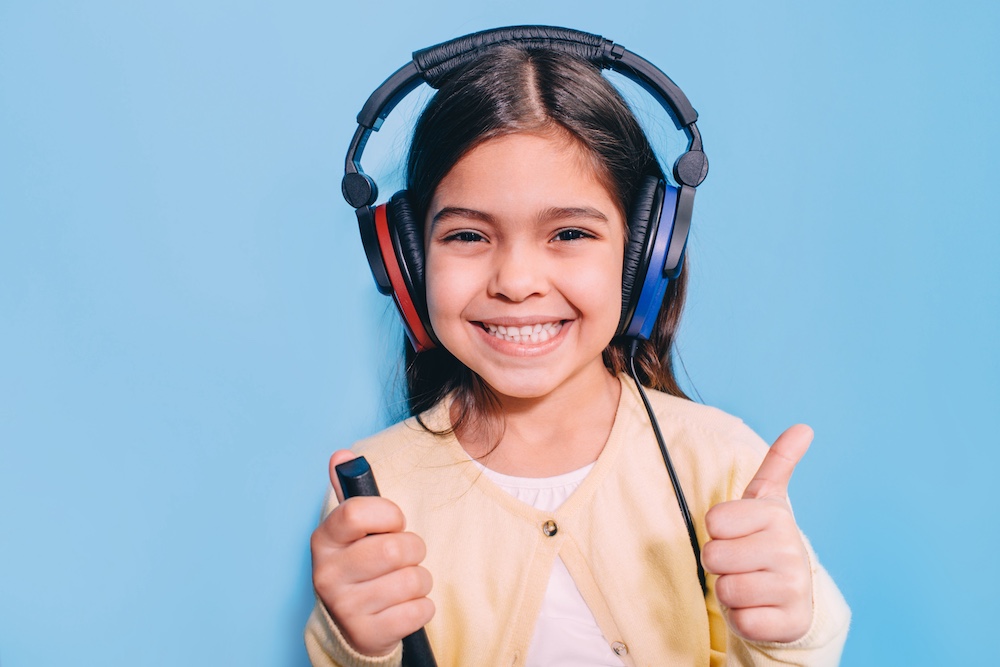
The primary screening method for school-age children is often pure-tone screening. During pure-tone screening, the child wears headphones or insert earphones and listens for a series of soft tones. The tones are presented at different frequencies and levels, and the child indicates when they hear a sound by raising a hand, pressing a button, or using another response method. Screenings commonly evaluate frequencies such as 1,000, 2,000, and 4,000 Hz.
Some school programs may also use tympanometry, which provides information about middle-ear function, or otoacoustic emissions (OAEs). The exact protocol varies by school district and state.
Importantly, a hearing screening is not the same as a complete hearing evaluation. A child who does not pass a screening may simply need to be rescreened, but persistent concerns should be evaluated by a hearing specialist.
How Often Are Children Screened?
There is not one nationwide schedule that every U.S. school follows. Requirements vary by state, school district, and age. The American Academy of Pediatrics has recommended screening at school entry, at least once around ages 6, 8, and 10, during middle school, and during high school. The American Speech-Hearing-Language Association’s (ASHA) guidance has also recommended screening upon school entry and annually in kindergarten through third grade, as well as in seventh and 11th grades.
Children may need additional screening if a parent or teacher notices a concern, if the child has speech or language difficulties, or if there are other risk factors for hearing loss.
The Benefits and Limitations of School Screenings
One of the biggest benefits of school hearing screenings is early identification. Children do not always realize they are missing sounds, and parents may not notice a mild or one-sided hearing loss. Finding a problem early can make it possible to provide appropriate treatment and educational support sooner.
Screenings are also convenient because they can reach large numbers of children who might not otherwise receive routine hearing checks.
However, school screenings have limitations. They are designed to identify children who may have a hearing problem, not to diagnose the cause, type, or degree of hearing loss. A child may also pass a screening even though they have a fluctuating, mild, high-frequency, or recently developed hearing loss. Environmental noise, temporary congestion, middle-ear fluid, or difficulty understanding the instructions can also affect results.
Why Treating Childhood Hearing Loss Matters
Hearing plays an important role in speech and language development, classroom learning, social interaction, and communication. Even mild hearing loss can affect a child’s ability to consistently access spoken instruction, particularly in a busy classroom. Untreated hearing loss has been associated with difficulties involving speech and language development and academic performance.
If your child does not pass a school hearing screening, or if you notice signs such as frequently asking for repetition, increasing the volume, misunderstanding directions, or having difficulty following conversations, consider scheduling a comprehensive hearing evaluation with a hearing specialist. Early identification and appropriate treatment can help ensure children have the access to sound and communication they need to learn, participate, and thrive. We welcome you to learn more by contacting us today.
We’ve been serving the Southern Connecticut community for over 30 years and aim to make the road to better hearing an easy and comfortable one.

Delray Beach Office
Opening Hours:
Hours of Operation – Hours are by Appointment Only
Milford office
Monday and Wednesday 10:00 AM – 4:30PM
East Haven office
Monday, Tuesday and Thursday 9:00AM – 5:00PM
Location Map
Copyright © 2026 Hearing Health Care Associates. All rights reserved.
