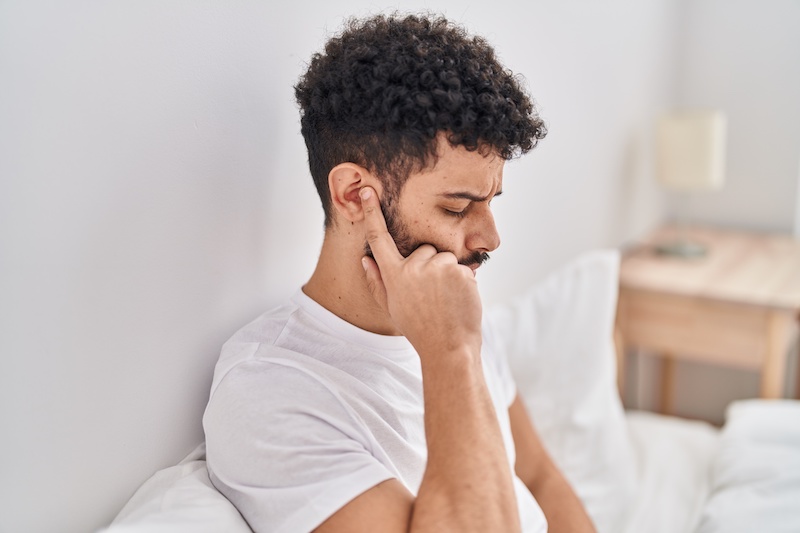
Blog Back Understanding Ear Drainage: Causes, Concerns, and When to Seek Help January 22, 2024 Ear drainage, a phenomenon that involves the release of fluid from the ear canal, can be a cause for concern and confusion. In this blog post, we’ll explore what ear drainage is, delve into the reasons it occurs, and provide guidance on when it’s crucial to seek medical attention. What Is Ear Drainage? Ear drainage refers to the discharge of fluid or pus from the ear canal. This fluid can vary in color, consistency, and odor, and its presence may be indicative of an underlying issue affecting the ear. Understanding the reasons behind ear drainage is essential for recognizing when it’s a natural process and when it might signal a medical problem. Why Does Ear Drainage Happen? Earwax (Cerumen): One common and natural cause of ear drainage is the elimination of earwax. Earwax serves a protective function by trapping dust and debris, and the body typically eliminates excess wax naturally. However, improper ear cleaning practices, such as using cotton swabs, can push wax deeper into the ear, leading to drainage as the ear self-cleans. Swimmer’s Ear (Otitis Externa): Swimmer’s ear, an infection of the ear canal often caused by water exposure, can result in ear drainage. Bacteria thrive in moist environments, and when water becomes trapped in the ear, it creates a breeding ground for infection. Symptoms may include pain, redness, and a yellowish discharge. Middle Ear Infections (Otitis Media): Infections of the middle ear can cause the accumulation of fluid behind the eardrum, leading to ear drainage. This fluid may be clear, pus-filled, or even bloody. Middle ear infections are common, especially in children, and can cause discomfort and temporary hearing loss. Trauma or Injury: Injuries to the ear, such as a perforated eardrum or trauma to the ear canal, can result in ear drainage. The drainage may contain blood or clear fluid, and it is crucial to seek medical attention for proper assessment and care. When Should You Seek Medical Attention? While some instances of ear drainage may be benign and self-resolve, there are situations where seeking medical attention is imperative: Persistent or Foul-Smelling Drainage: If ear drainage persists or is accompanied by a foul odor, it may indicate an underlying infection that requires medical intervention. Foul-smelling drainage can be a sign of a severe infection that needs prompt attention. Hearing Loss: If ear drainage is accompanied by significant hearing loss, it suggests a potential issue that requires professional evaluation. Hearing loss could be linked to infections, damage to the eardrum, or other complications. Pain or Discomfort: Persistent pain or discomfort associated with ear drainage should not be ignored. It may signal an infection or injury that requires medical assessment and appropriate treatment. Recent Trauma or Injury: If you’ve experienced recent trauma or injury to the ear and notice drainage, it’s crucial to consult a healthcare professional promptly. Trauma can lead to complications that need timely intervention. Ear drainage can arise from various causes, ranging from natural processes to infections and injuries. While some cases may resolve on their own, it’s essential to pay attention to certain signs and symptoms that warrant medical attention. If you experience persistent drainage, foul odors, hearing loss, or discomfort, seeking the expertise of a healthcare professional, such as a hearing specialist, is the best course of action. Timely intervention can help diagnose the underlying issue and guide appropriate treatment, ensuring the health and well-being of your ears. For more information about ear drainage, please contact our office today. Share :
Author: sitemanager
Sound Start: 7 New Year’s Resolutions for Protecting Your Hearing Health

Blog Back Sound Start: 7 New Year’s Resolutions for Protecting Your Hearing Health January 10, 2024 As we embark on a new year, it’s the perfect time to reflect on our health and well-being, and that includes our precious sense of hearing. Hearing health is often overlooked, but with simple yet impactful resolutions, you can make significant strides toward preserving and safeguarding your ears. Let’s explore some New Year’s resolutions tailored to protecting and promoting hearing health. Turn Down the Volume Resolution: I will be mindful of audio volumes, especially when using headphones or attending concerts. Exposure to loud sounds is a leading cause of hearing damage. Whether it’s through headphones, earbuds, or live music events, it’s essential to keep the volume at a safe level. Aim to follow the 60/60 rule – keep the volume at 60% of the maximum for no more than 60 minutes at a time to prevent potential harm. Invest in Quality Hearing Protection Resolution: I will use hearing protection in loud environments and during noisy activities. Whether you’re attending a music concert, working with power tools, or participating in recreational activities like shooting or motorcycling, invest in quality hearing protection. Earplugs or earmuffs can significantly reduce the risk of hearing damage in noisy environments. Take Regular Listening Breaks Resolution: I will give my ears periodic breaks from continuous exposure to loud sounds. In our modern, technology-driven world, it’s easy to get immersed in constant audio stimulation. Make a resolution to take breaks and allow your ears some quiet time. This can be particularly beneficial if you work in a noisy environment or regularly use headphones. Prioritize Ear-Friendly Activities Resolution: I will seek out and engage in activities that promote auditory well-being. Choose activities that not only bring joy but also contribute positively to your hearing health. Consider attending concerts with lower sound levels, enjoying nature walks, or participating in activities that don’t involve prolonged exposure to loud noises. Get Regular Hearing Check-Ups Resolution: I will prioritize my hearing health by scheduling regular check-ups with an audiologist. Routine check-ups with a hearing professional are fundamental for monitoring and maintaining hearing health. These professionals can identify potential issues early on, providing the opportunity for timely intervention and prevention. Adopt a Healthy Lifestyle Resolution: I will prioritize overall health through regular exercise, a balanced diet, and hydration. A healthy lifestyle contributes to overall well-being, and this includes hearing health. Regular exercise promotes proper blood circulation, which is crucial for the auditory system. A balanced diet rich in vitamins and minerals also supports optimal hearing function. Quit Smoking Resolution: I will take steps to quit smoking to reduce the risk of hearing loss. Smoking has been linked to an increased risk of hearing loss. By making a resolution to quit smoking, you not only improve your overall health, but also take a significant step toward preserving your hearing. As we step into the new year, let’s make a commitment to prioritize our hearing health. Simple yet impactful resolutions, such as being mindful of sound volumes, investing in hearing protection, and adopting a healthy lifestyle, can make a substantial difference. By incorporating these resolutions into our daily lives, we can take proactive steps toward enjoying a lifetime of vibrant and clear hearing. Make 2024 the year you prioritize your ears and embark on a journey to sound well-being! For more information about the steps you can take to protect your hearing health, we invite you to contact our office today. Share :
Sound Advice: Caring for Your Hearing Aids in Cold Weather

Blog Back Sound Advice: Caring for Your Hearing Aids in Cold Weather December 25, 2023 As winter arrives with its crisp air and chilly temperatures, it’s essential to give your hearing aids a little extra attention. Cold weather can pose unique challenges for these delicate devices, but with proper care, you can ensure they continue to work at their best. In this blog post, we’ll explore practical tips on how to take care of your hearing aids during the winter months, helping you maintain optimal performance and prolong their lifespan. Protecting Against Moisture: Cold weather often brings with it dry air, but it can also expose your hearing aids to moisture in unexpected ways. When transitioning between cold outdoor air and warm indoor environments, condensation can form inside the device. To prevent moisture-related damage, consider using a dehumidifier specifically designed for hearing aids. Placing your devices in a dehumidifying container overnight can help remove any accumulated moisture and keep them dry. Invest in Water-Resistant Covers: If you live in an area with heavy snowfall or precipitation, it’s a good idea to invest in water-resistant covers for your hearing aids. These covers act as a protective barrier, shielding the devices from rain, snow, or sleet. Look for covers that are designed to allow sound to pass through while keeping moisture out, ensuring your hearing aids remain functional even in wet conditions. Keep Spare Batteries Warm: Cold temperatures can affect the performance of hearing aid batteries. To ensure they maintain their efficiency, store spare batteries in a warm place, such as an inner pocket of your coat. Cold batteries may have reduced power, so having warm spares on hand ensures you can quickly replace them if needed without compromising your ability to hear clearly. Use Hats and Scarves Wisely: While it’s essential to keep warm during the winter, be mindful of how hats and scarves may interfere with your hearing aids. Ensure that these accessories don’t press against or cover the devices, as this can lead to discomfort and potentially damage the devices. Opt for hats that cover your ears without putting pressure on the hearing aids, and arrange scarves in a way that doesn’t obstruct the devices. Regular Cleaning and Maintenance: Cold weather often means spending more time indoors where dust and debris can accumulate. Regularly clean your hearing aids with a soft, dry cloth to remove any particles that may affect their performance. Check for any signs of wear or damage, and consult your audiologist if you notice any issues. Routine maintenance ensures that your hearing aids are in top condition, regardless of the weather. Taking care of your hearing aids in cold weather is a simple yet crucial aspect of maintaining their functionality. By implementing these tips, you can protect your devices from moisture, cold temperatures, and other winter-related challenges. Remember that a little extra care goes a long way in preserving the lifespan of your hearing aids and ensuring you continue to experience the joys of clear and crisp sound, even in the coldest months of the year. To learn more about how to take care of your hearing aids in cold weather, please contact our office today. Share :
What to Do with Old Hearing Aids
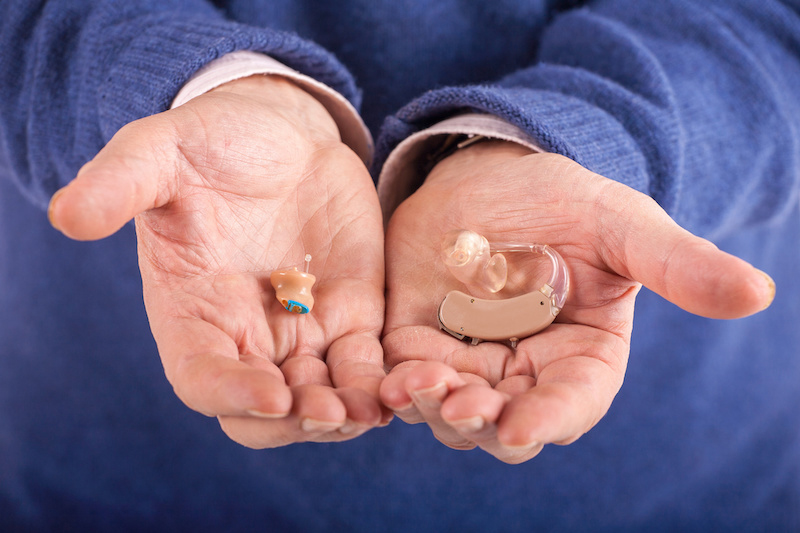
Blog Back What to Do with Old Hearing Aids December 12, 2023 Hearing aids are incredible devices that have the power to transform the lives of those with hearing impairments. However, as technology advances, many individuals find themselves upgrading to newer models, leaving them with old hearing aids that are no longer in use. Rather than letting these valuable devices gather dust in a drawer, there are several meaningful and impactful ways to repurpose or donate them. In this blog post, we’ll explore some options for what to do with old hearing aids and how you can make a positive difference in someone else’s life. Donate to Hearing Aid Banks or Charities: One of the most impactful ways to give a second life to old hearing aids is by donating them to hearing aid banks or charitable organizations. Many non-profits specialize in collecting and refurbishing used hearing aids to distribute to individuals in need. By donating your old device, you can play a role in providing the gift of hearing to those who may not have access to such technology due to financial constraints. Check with Audiologists or Hearing Healthcare Providers: Audiologists and hearing healthcare providers often work with organizations that facilitate hearing aid donations. Reach out to your local audiologist or hearing clinic to inquire about their involvement in such programs. They can guide you on the proper channels for donating your old hearing aids, ensuring they reach those who can benefit the most. Explore Manufacturer Take-Back Programs: Some hearing aid manufacturers offer take-back or trade-in programs. These programs encourage users to return their old devices when upgrading to a new model. The returned hearing aids are then either recycled or refurbished for charitable purposes. Contact the manufacturer of your hearing aid to see if they have such a program in place. Connect with Schools or Hearing Centers: Educational institutions and hearing centers may also welcome donations of old hearing aids. These establishments often work with students or patients who may benefit from having access to affordable or free hearing aids. By donating to these organizations, you contribute to the educational and healthcare support of individuals with hearing impairments. Repurpose for Hearing Aid Art Projects: If your old hearing aids are no longer functional or suitable for donation, consider repurposing them for art projects. Engage in creative endeavors that raise awareness about hearing loss and the importance of hearing health. Artists and educators often use old hearing aids to create powerful installations or sculptures that serve as a visual reminder of the impact of hearing aids on people’s lives. Your old hearing aids don’t have to retire to a life of obscurity in a drawer. Instead, consider the numerous ways you can make a difference by repurposing or donating them. Whether contributing to a charitable cause, supporting educational initiatives, or participating in creative projects, your decision to give your old hearing aids a new purpose can bring the gift of hearing to those who need it most. Embrace the sound of giving and create a positive impact in the world of hearing health. We welcome you to contact our hearing practice today to learn more about what you can do with old hearing aids. Share :
The Connection Between Hearing Loss and Obesity

Blog Back The Connection Between Hearing Loss and Obesity November 24, 2023 Hearing loss is a condition that affects millions of people worldwide, and its causes are often attributed to factors such as aging, genetics, and exposure to loud noises. However, emerging research is shedding light on a surprising and often overlooked connection between hearing loss and obesity. While these two health issues may seem unrelated, a growing body of evidence suggests that they are indeed interconnected. In this blog post, we will explore the link between hearing loss and obesity and discuss why it is essential to consider this connection for our overall well-being. The Link Between Hearing Loss and Obesity Studies have shown that obesity can significantly increase the risk of hearing loss. In fact, individuals with a higher body mass index (BMI) are more likely to experience hearing problems. The reasons behind this connection are multifaceted, but researchers have identified several key factors that help explain the relationship. Inflammation: Obesity is often associated with chronic inflammation throughout the body. This inflammation can damage delicate structures in the inner ear, affecting the transmission of sound signals. It may also lead to oxidative stress, which can harm the sensory cells responsible for hearing. Poor circulation: Obesity is linked to poor circulation and vascular problems. Adequate blood flow to the inner ear is crucial for maintaining healthy hearing. Reduced blood flow can impair the delivery of essential nutrients and oxygen to the auditory system, potentially causing damage and hearing loss. Metabolic factors: Obesity is closely related to metabolic disorders like diabetes and high blood pressure. Both of these conditions can increase the risk of hearing loss. High blood sugar levels and elevated blood pressure can harm the blood vessels and nerves within the ear, contributing to hearing problems. Shared risk factors: Obesity and hearing loss share several common risk factors, such as a sedentary lifestyle and poor diet. A lack of physical activity and the consumption of a diet high in processed foods and sugar are known to increase the risk of both obesity and hearing loss. What Can You Do to Protect Your Hearing? Understanding the connection between obesity and hearing loss underscores the importance of adopting a healthy lifestyle. Here are some steps you can take to protect your hearing and maintain a healthy weight: Maintain a balanced diet: Consume a diet rich in fruits, vegetables, lean proteins, and whole grains while limiting your intake of processed foods, sugars, and unhealthy fats. A healthy diet can help reduce inflammation and improve overall health. Stay active: Regular physical activity is essential for maintaining a healthy weight and promoting better circulation. Aim for at least 150 minutes of moderate-intensity exercise per week. Manage your weight: If you are overweight or obese, work with a healthcare provider to develop a personalized weight management plan. Even a modest reduction in weight can have a positive impact on your hearing health. Monitor your blood pressure and blood sugar: Regular check-ups can help you keep these vital health indicators in check. Managing conditions like hypertension and diabetes can help protect your hearing. Protect your ears: Avoid exposure to loud noises without proper hearing protection, as noise-induced hearing loss can exacerbate the effects of obesity-related hearing impairment. In conclusion, the connection between hearing loss and obesity is a critical issue that underscores the importance of maintaining a healthy lifestyle. By understanding the factors that link these two conditions, we can take proactive steps to protect our hearing and overall well-being. A balanced diet, regular exercise, and the management of metabolic risk factors are all key elements in this journey to better health. So, let this connection serve as a reminder that taking care of your body can have a positive impact on your hearing and overall quality of life. For more information about the connection between hearing loss and obesity, we invite you to contact our office today. Share :
Navigating Holiday Gatherings with Hearing Loss

Blog Back Navigating Holiday Gatherings with Hearing Loss November 14, 2023 The holiday season is a time for joy, laughter, and connection with family and friends. However, for those with hearing loss, holiday gatherings can present unique challenges. The combination of noisy environments, multiple conversations, and social pressure to engage can make these events overwhelming. But fear not, with the right strategies and a little preparation, you can navigate holiday gatherings with hearing loss successfully and enjoy the festivities to the fullest. Plan Ahead Preparing for holiday gatherings is essential when you have hearing loss. Here are some steps you can take to set yourself up for success: Communicate your needs: Let your host and close family members or friends know about your hearing loss and any specific accommodations you might require. This might include sitting in a well-lit area to help with lip-reading or requesting quieter seating away from the speakers. Bring essential tools: Ensure that you have your hearing aids, cochlear implant processors, or other assistive devices in good working condition. Carry extra batteries, cleaning tools, and any necessary accessories. Choose Seating Wisely Selecting the right seat can make a significant difference in your ability to hear and enjoy the conversation. When you arrive at the gathering: Opt for quiet spots: Try to find a quieter area where you can engage in conversations more comfortably. Face the speaker: When you’re talking to someone, position yourself so that you can see their face. This allows you to read their lips and better understand what they’re saying. Sit with your back to the wall: This reduces background noise and helps you focus on the conversation. Advocate for Yourself Don’t be afraid to assert yourself and ask for what you need: Speak up: Politely let others know that you have hearing loss and ask them to speak clearly and at a reasonable volume. Most people will be understanding and accommodating. Use visual cues: Nod, smile, and maintain eye contact to show that you’re engaged in the conversation. This can encourage others to be more mindful of your needs. Practice Active Listening Active listening is a valuable skill that can help you make the most of your holiday gatherings: Pay attention: Focus on the speaker and the content of the conversation. Minimize distractions, like checking your phone or watching TV. Ask for clarification: If you miss something, don’t be afraid to ask the speaker to repeat or rephrase their words. It’s better to understand the content than to nod along without comprehension. Engage one-on-one: If group conversations become too challenging, try having one-on-one discussions with others. This can be more manageable and enjoyable. Utilize Technology Modern technology offers numerous tools and apps designed to assist individuals with hearing loss: Captioning apps: There are mobile apps available that provide real-time captions for spoken words. These can be incredibly helpful during group conversations. Hearing aid and cochlear implant apps: Many hearing aids and cochlear implant processors now come with smartphone apps that allow you to adjust settings and tailor your hearing experience to the situation. Practice Self-Care Holiday gatherings can be emotionally draining, particularly when you have hearing loss. It’s essential to take care of yourself: Take breaks: Find a quiet spot to relax and recharge if you’re feeling overwhelmed. Stay hydrated and get enough rest: Being well-hydrated and well-rested can improve your ability to focus and listen effectively. Educate and involve your loved ones: Make sure your family and friends understand the challenges you face due to your hearing loss. Encourage them to learn about your hearing aids and other assistive devices, so they can better support you during gatherings. In conclusion, navigating holiday gatherings with hearing loss might seem daunting, but with the right strategies and support, you can enjoy these events to the fullest. By planning ahead, advocating for yourself, using available technology, and practicing active listening, you can engage in meaningful conversations and create wonderful holiday memories with your loved ones. Remember that you are not alone in facing these challenges, and seeking the understanding and cooperation of your friends and family can make all the difference in making the most of the holiday season. To learn more about how to successfully navigate the holiday season with hearing loss, we encourage you to contact our hearing practice today. Share :