
Blog Back Listen Up: Recognizing the Early Signs of Hearing Loss February 22, 2024 Difficulty Following ConversationsOne of the initial signs of hearing loss is difficulty following conversations, especially in environments with background noise. If you find yourself frequently asking others to repeat themselves or struggling to understand dialogue in crowded places, it may be an early indicator of hearing impairment.Pay attention to instances where you struggle to grasp conversations, and consider seeking a professional hearing evaluation if this difficulty persists. Increasing Volume on Electronic DevicesA subtle yet significant sign of potential hearing loss is the need to increase the volume on electronic devices, such as the television or radio, to a level that others find uncomfortably loud. If you find yourself consistently raising the volume, it’s a signal that your hearing may be diminishing.Be mindful of changes in your volume preferences and consider consulting with a hearing specialist for a comprehensive hearing assessment. Ringing or Buzzing Sounds (Tinnitus)Tinnitus, or the perception of ringing, buzzing, or other phantom sounds in the ears, is often associated with hearing loss. While tinnitus can have various causes, including exposure to loud noises, it may serve as an early warning sign of auditory issues.If you experience persistent tinnitus, consult with a healthcare professional to explore potential underlying causes, including hearing loss. Withdrawal from Social ActivitiesIndividuals experiencing hearing loss may begin to withdraw from social activities, avoiding situations where they may struggle to hear and participate in conversations. Social withdrawal can impact emotional well-being and quality of life.If you notice a reluctance to engage in social activities, consider discussing your concerns with a healthcare professional who can assess your hearing health. Muffled or Distorted SoundsHearing loss can affect the clarity of sounds, leading to a perception of muffled or distorted auditory input. If you find that voices or sounds lack clarity, even when they are sufficiently loud, it may be an early sign of hearing impairment.Actively listen to your surroundings and assess whether sounds seem distorted or muffled. If this is the case, consult with a hearing professional for further evaluation. Difficulty Hearing High-Pitched SoundsHigh-frequency sounds, such as birdsong or the rustling of leaves, are often the first to be affected in the early stages of hearing loss. If you notice a diminishing ability to hear these subtle sounds, it may indicate a decline in your hearing acuity.Pay attention to your ability to hear various frequencies, and seek professional guidance if you perceive a reduction, especially in high-pitched sounds. Early recognition of the signs of hearing loss is pivotal for seeking timely intervention and preserving auditory well-being. If you or a loved one experiences any of these subtle indicators, consider consulting with a hearing professional. A comprehensive hearing assessment can provide valuable insights into your auditory health and guide appropriate measures to address potential hearing loss. Embracing early intervention empowers individuals to maintain a fulfilling and connected lifestyle, ensuring that the symphony of life remains vibrant and clear. To learn more about the early signs of hearing loss and to set up an appointment with our hearing specialist, we invite you to contact our office today. Share :
Author: sitemanager
6 Vitamins, Minerals, and Supplements for Hearing Health

Blog Back 6 Vitamins, Minerals, and Supplements for Hearing Health February 8, 2024 The intricate world of hearing health is influenced not only by genetics and age, but also by our lifestyle choices and nutritional intake. Emerging research suggests that certain vitamins, minerals, and supplements play a role in supporting auditory function and may be beneficial for individuals experiencing hearing issues like hearing loss and tinnitus. In this blog post, we explore these essential nutrients and how they contribute to maintaining optimal hearing health. Vitamin A: The Guardian of Ear HealthVitamin A, found in abundance in foods like carrots, sweet potatoes, and spinach, plays a crucial role in maintaining the health of the ear’s sensory cells. These cells, also known as hair cells, are essential for transmitting sound signals to the brain. Including vitamin A-rich foods in your diet contributes to the protection and repair of these vital cells. Vitamin E: Protecting Against Oxidative StressVitamin E acts as a potent antioxidant, protecting cells from oxidative stress and inflammation. Oxidative stress has been linked to age-related hearing loss. Including vitamin E-rich foods like nuts, seeds, and leafy greens may contribute to shielding the auditory system from such stressors. Magnesium: Regulating Blood Flow to the EarsMagnesium is involved in regulating blood flow, and adequate blood flow to the inner ear is crucial for optimal hearing. Research suggests that magnesium supplementation may be beneficial for preventing noise-induced hearing loss. Foods like leafy greens, nuts, and whole grains are natural sources of magnesium. Zinc: Enhancing Immune Function for Ear HealthZinc is essential for immune function and has been associated with maintaining the health of the auditory system. Studies suggest that zinc supplementation may be beneficial for individuals with tinnitus. Foods such as oysters, beef, and legumes are rich in zinc. Omega-3 Fatty Acids: Supporting Brain Function for HearingOmega-3 fatty acids, found in fatty fish like salmon and flaxseeds, play a crucial role in supporting overall brain function. Since hearing involves complex processes in the brain, ensuring an adequate intake of omega-3s may contribute to maintaining auditory health. Coenzyme Q10 (CoQ10): Cellular Energy for the Inner EarCoQ10 is an antioxidant that plays a vital role in cellular energy production. The inner ear requires a significant amount of energy for its intricate processes. While further research is needed, some studies suggest that CoQ10 supplementation may have potential benefits for individuals with age-related hearing loss. While incorporating these vitamins, minerals, and supplements into your diet may offer potential benefits for hearing health, it’s essential to consult with a healthcare professional before making significant changes to your supplementation routine. Additionally, a balanced and varied diet, rich in nutrients, contributes not only to hearing health but to overall well-being. Remember that hearing issues are complex, and nutritional support is just one aspect of maintaining auditory health. Regular check-ups with a hearing professional, a healthy lifestyle, and protective measures against loud noises are integral components of a holistic approach to caring for your ears. By nourishing your body with the right nutrients, you take a proactive step toward supporting your auditory well-being and savoring the beautiful symphony of life. We welcome you to contact our office today to learn more about how vitamins, minerals, and supplements can contribute to your hearing health. Share :
Understanding Ear Drainage: Causes, Concerns, and When to Seek Help
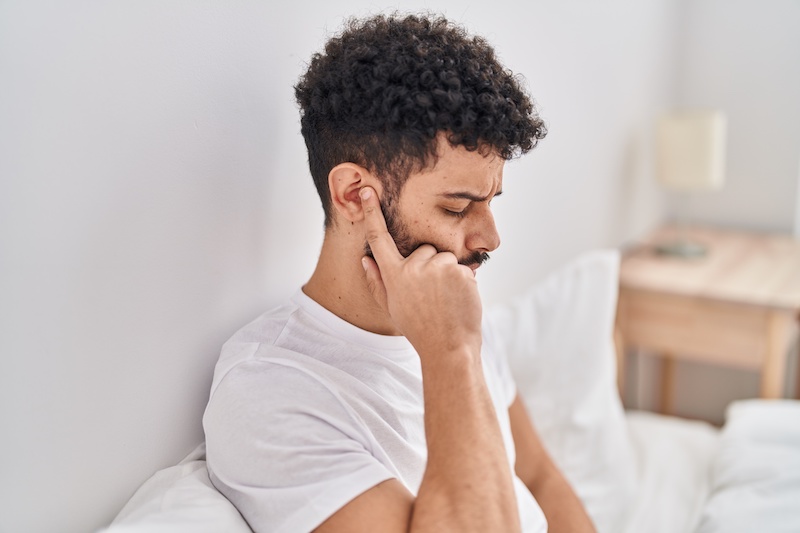
Blog Back Understanding Ear Drainage: Causes, Concerns, and When to Seek Help January 22, 2024 Ear drainage, a phenomenon that involves the release of fluid from the ear canal, can be a cause for concern and confusion. In this blog post, we’ll explore what ear drainage is, delve into the reasons it occurs, and provide guidance on when it’s crucial to seek medical attention. What Is Ear Drainage? Ear drainage refers to the discharge of fluid or pus from the ear canal. This fluid can vary in color, consistency, and odor, and its presence may be indicative of an underlying issue affecting the ear. Understanding the reasons behind ear drainage is essential for recognizing when it’s a natural process and when it might signal a medical problem. Why Does Ear Drainage Happen? Earwax (Cerumen): One common and natural cause of ear drainage is the elimination of earwax. Earwax serves a protective function by trapping dust and debris, and the body typically eliminates excess wax naturally. However, improper ear cleaning practices, such as using cotton swabs, can push wax deeper into the ear, leading to drainage as the ear self-cleans. Swimmer’s Ear (Otitis Externa): Swimmer’s ear, an infection of the ear canal often caused by water exposure, can result in ear drainage. Bacteria thrive in moist environments, and when water becomes trapped in the ear, it creates a breeding ground for infection. Symptoms may include pain, redness, and a yellowish discharge. Middle Ear Infections (Otitis Media): Infections of the middle ear can cause the accumulation of fluid behind the eardrum, leading to ear drainage. This fluid may be clear, pus-filled, or even bloody. Middle ear infections are common, especially in children, and can cause discomfort and temporary hearing loss. Trauma or Injury: Injuries to the ear, such as a perforated eardrum or trauma to the ear canal, can result in ear drainage. The drainage may contain blood or clear fluid, and it is crucial to seek medical attention for proper assessment and care. When Should You Seek Medical Attention? While some instances of ear drainage may be benign and self-resolve, there are situations where seeking medical attention is imperative: Persistent or Foul-Smelling Drainage: If ear drainage persists or is accompanied by a foul odor, it may indicate an underlying infection that requires medical intervention. Foul-smelling drainage can be a sign of a severe infection that needs prompt attention. Hearing Loss: If ear drainage is accompanied by significant hearing loss, it suggests a potential issue that requires professional evaluation. Hearing loss could be linked to infections, damage to the eardrum, or other complications. Pain or Discomfort: Persistent pain or discomfort associated with ear drainage should not be ignored. It may signal an infection or injury that requires medical assessment and appropriate treatment. Recent Trauma or Injury: If you’ve experienced recent trauma or injury to the ear and notice drainage, it’s crucial to consult a healthcare professional promptly. Trauma can lead to complications that need timely intervention. Ear drainage can arise from various causes, ranging from natural processes to infections and injuries. While some cases may resolve on their own, it’s essential to pay attention to certain signs and symptoms that warrant medical attention. If you experience persistent drainage, foul odors, hearing loss, or discomfort, seeking the expertise of a healthcare professional, such as a hearing specialist, is the best course of action. Timely intervention can help diagnose the underlying issue and guide appropriate treatment, ensuring the health and well-being of your ears. For more information about ear drainage, please contact our office today. Share :
Sound Start: 7 New Year’s Resolutions for Protecting Your Hearing Health

Blog Back Sound Start: 7 New Year’s Resolutions for Protecting Your Hearing Health January 10, 2024 As we embark on a new year, it’s the perfect time to reflect on our health and well-being, and that includes our precious sense of hearing. Hearing health is often overlooked, but with simple yet impactful resolutions, you can make significant strides toward preserving and safeguarding your ears. Let’s explore some New Year’s resolutions tailored to protecting and promoting hearing health. Turn Down the Volume Resolution: I will be mindful of audio volumes, especially when using headphones or attending concerts. Exposure to loud sounds is a leading cause of hearing damage. Whether it’s through headphones, earbuds, or live music events, it’s essential to keep the volume at a safe level. Aim to follow the 60/60 rule – keep the volume at 60% of the maximum for no more than 60 minutes at a time to prevent potential harm. Invest in Quality Hearing Protection Resolution: I will use hearing protection in loud environments and during noisy activities. Whether you’re attending a music concert, working with power tools, or participating in recreational activities like shooting or motorcycling, invest in quality hearing protection. Earplugs or earmuffs can significantly reduce the risk of hearing damage in noisy environments. Take Regular Listening Breaks Resolution: I will give my ears periodic breaks from continuous exposure to loud sounds. In our modern, technology-driven world, it’s easy to get immersed in constant audio stimulation. Make a resolution to take breaks and allow your ears some quiet time. This can be particularly beneficial if you work in a noisy environment or regularly use headphones. Prioritize Ear-Friendly Activities Resolution: I will seek out and engage in activities that promote auditory well-being. Choose activities that not only bring joy but also contribute positively to your hearing health. Consider attending concerts with lower sound levels, enjoying nature walks, or participating in activities that don’t involve prolonged exposure to loud noises. Get Regular Hearing Check-Ups Resolution: I will prioritize my hearing health by scheduling regular check-ups with an audiologist. Routine check-ups with a hearing professional are fundamental for monitoring and maintaining hearing health. These professionals can identify potential issues early on, providing the opportunity for timely intervention and prevention. Adopt a Healthy Lifestyle Resolution: I will prioritize overall health through regular exercise, a balanced diet, and hydration. A healthy lifestyle contributes to overall well-being, and this includes hearing health. Regular exercise promotes proper blood circulation, which is crucial for the auditory system. A balanced diet rich in vitamins and minerals also supports optimal hearing function. Quit Smoking Resolution: I will take steps to quit smoking to reduce the risk of hearing loss. Smoking has been linked to an increased risk of hearing loss. By making a resolution to quit smoking, you not only improve your overall health, but also take a significant step toward preserving your hearing. As we step into the new year, let’s make a commitment to prioritize our hearing health. Simple yet impactful resolutions, such as being mindful of sound volumes, investing in hearing protection, and adopting a healthy lifestyle, can make a substantial difference. By incorporating these resolutions into our daily lives, we can take proactive steps toward enjoying a lifetime of vibrant and clear hearing. Make 2024 the year you prioritize your ears and embark on a journey to sound well-being! For more information about the steps you can take to protect your hearing health, we invite you to contact our office today. Share :
Sound Advice: Caring for Your Hearing Aids in Cold Weather

Blog Back Sound Advice: Caring for Your Hearing Aids in Cold Weather December 25, 2023 As winter arrives with its crisp air and chilly temperatures, it’s essential to give your hearing aids a little extra attention. Cold weather can pose unique challenges for these delicate devices, but with proper care, you can ensure they continue to work at their best. In this blog post, we’ll explore practical tips on how to take care of your hearing aids during the winter months, helping you maintain optimal performance and prolong their lifespan. Protecting Against Moisture: Cold weather often brings with it dry air, but it can also expose your hearing aids to moisture in unexpected ways. When transitioning between cold outdoor air and warm indoor environments, condensation can form inside the device. To prevent moisture-related damage, consider using a dehumidifier specifically designed for hearing aids. Placing your devices in a dehumidifying container overnight can help remove any accumulated moisture and keep them dry. Invest in Water-Resistant Covers: If you live in an area with heavy snowfall or precipitation, it’s a good idea to invest in water-resistant covers for your hearing aids. These covers act as a protective barrier, shielding the devices from rain, snow, or sleet. Look for covers that are designed to allow sound to pass through while keeping moisture out, ensuring your hearing aids remain functional even in wet conditions. Keep Spare Batteries Warm: Cold temperatures can affect the performance of hearing aid batteries. To ensure they maintain their efficiency, store spare batteries in a warm place, such as an inner pocket of your coat. Cold batteries may have reduced power, so having warm spares on hand ensures you can quickly replace them if needed without compromising your ability to hear clearly. Use Hats and Scarves Wisely: While it’s essential to keep warm during the winter, be mindful of how hats and scarves may interfere with your hearing aids. Ensure that these accessories don’t press against or cover the devices, as this can lead to discomfort and potentially damage the devices. Opt for hats that cover your ears without putting pressure on the hearing aids, and arrange scarves in a way that doesn’t obstruct the devices. Regular Cleaning and Maintenance: Cold weather often means spending more time indoors where dust and debris can accumulate. Regularly clean your hearing aids with a soft, dry cloth to remove any particles that may affect their performance. Check for any signs of wear or damage, and consult your audiologist if you notice any issues. Routine maintenance ensures that your hearing aids are in top condition, regardless of the weather. Taking care of your hearing aids in cold weather is a simple yet crucial aspect of maintaining their functionality. By implementing these tips, you can protect your devices from moisture, cold temperatures, and other winter-related challenges. Remember that a little extra care goes a long way in preserving the lifespan of your hearing aids and ensuring you continue to experience the joys of clear and crisp sound, even in the coldest months of the year. To learn more about how to take care of your hearing aids in cold weather, please contact our office today. Share :
What to Do with Old Hearing Aids
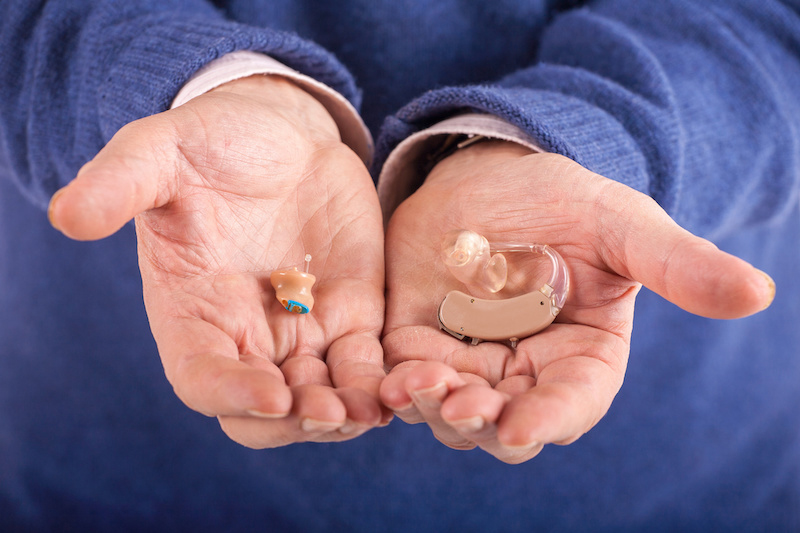
Blog Back What to Do with Old Hearing Aids December 12, 2023 Hearing aids are incredible devices that have the power to transform the lives of those with hearing impairments. However, as technology advances, many individuals find themselves upgrading to newer models, leaving them with old hearing aids that are no longer in use. Rather than letting these valuable devices gather dust in a drawer, there are several meaningful and impactful ways to repurpose or donate them. In this blog post, we’ll explore some options for what to do with old hearing aids and how you can make a positive difference in someone else’s life. Donate to Hearing Aid Banks or Charities: One of the most impactful ways to give a second life to old hearing aids is by donating them to hearing aid banks or charitable organizations. Many non-profits specialize in collecting and refurbishing used hearing aids to distribute to individuals in need. By donating your old device, you can play a role in providing the gift of hearing to those who may not have access to such technology due to financial constraints. Check with Audiologists or Hearing Healthcare Providers: Audiologists and hearing healthcare providers often work with organizations that facilitate hearing aid donations. Reach out to your local audiologist or hearing clinic to inquire about their involvement in such programs. They can guide you on the proper channels for donating your old hearing aids, ensuring they reach those who can benefit the most. Explore Manufacturer Take-Back Programs: Some hearing aid manufacturers offer take-back or trade-in programs. These programs encourage users to return their old devices when upgrading to a new model. The returned hearing aids are then either recycled or refurbished for charitable purposes. Contact the manufacturer of your hearing aid to see if they have such a program in place. Connect with Schools or Hearing Centers: Educational institutions and hearing centers may also welcome donations of old hearing aids. These establishments often work with students or patients who may benefit from having access to affordable or free hearing aids. By donating to these organizations, you contribute to the educational and healthcare support of individuals with hearing impairments. Repurpose for Hearing Aid Art Projects: If your old hearing aids are no longer functional or suitable for donation, consider repurposing them for art projects. Engage in creative endeavors that raise awareness about hearing loss and the importance of hearing health. Artists and educators often use old hearing aids to create powerful installations or sculptures that serve as a visual reminder of the impact of hearing aids on people’s lives. Your old hearing aids don’t have to retire to a life of obscurity in a drawer. Instead, consider the numerous ways you can make a difference by repurposing or donating them. Whether contributing to a charitable cause, supporting educational initiatives, or participating in creative projects, your decision to give your old hearing aids a new purpose can bring the gift of hearing to those who need it most. Embrace the sound of giving and create a positive impact in the world of hearing health. We welcome you to contact our hearing practice today to learn more about what you can do with old hearing aids. Share :