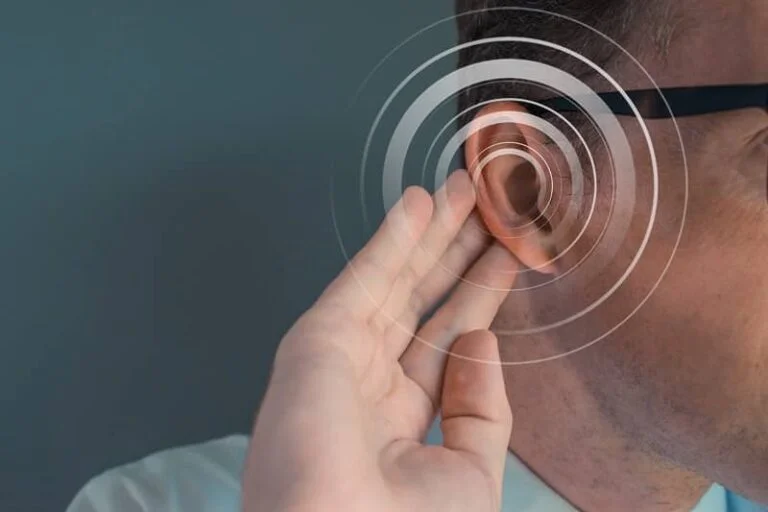
Blog Back What You Should Know About Asymmetrical Hearing Loss February 19, 2023 If your hearing loss is worse in one ear than the other, you may have asymmetrical hearing loss. Here is what you need to know about asymmetrical hearing loss. What is asymmetrical hearing loss? Asymmetrical hearing loss refers to a condition in which there is a difference in hearing ability between the two ears. This can occur due to a variety of factors such as exposure to loud noise, ear infections, injury, or certain medical conditions. While a slight hearing difference between the two ears is normal, significant variation (more than 10 dB) is not typical. This is classified as asymmetrical hearing loss when the difference is 15 dB or greater. What causes asymmetrical hearing loss? Asymmetrical hearing loss can be caused by a variety of factors, including: Exposure to loud noise — Prolonged exposure to loud noise can damage the hair cells in the inner ear, leading to hearing loss. This can be more severe in one ear than the other if the individual is exposed to more noise on one side (e.g., working with loud machinery or attending loud events). Ear infections — Ear infections can cause temporary or permanent hearing loss and can be more severe in one ear than the other. Trauma — Head injuries or injuries to the ear can cause hearing loss, and this can be more significant in one ear than the other. Medical conditions — Certain medical conditions, such as Meniere’s disease, otosclerosis, and acoustic neuromas, can lead to asymmetrical hearing loss. Tumors — Tumors of the ear or brain can also cause asymmetrical hearing loss. Genetic factors — Some genetic disorders can cause asymmetrical hearing loss, such as Usher Syndrome. It is important to note that in some cases, the cause of asymmetrical hearing loss may not be able to be determined. A hearing specialist can help to determine the cause and recommend appropriate treatment options. How is asymmetrical hearing loss treated? Treatment for asymmetrical hearing loss will depend on the underlying cause of the condition. Some common treatment options include: Hearing aids — Hearing aids can help to amplify sounds for individuals with hearing loss, even if the hearing loss is asymmetrical. The hearing aids can be programmed to amplify sounds differently in each ear to compensate for the asymmetry. Cochlear implants — Cochlear implants can help individuals with severe hearing loss to hear by converting sound into electrical signals that are sent directly to the auditory nerve. Bone-anchored hearing devices — A bone-anchored hearing device is surgically implanted. This may be suggested if the hearing loss is too great in one ear to be effectively treated with programmable hearing aids. Surgery — In some cases, surgery may be necessary to treat the underlying cause of the asymmetrical hearing loss. For example, if a tumor is causing the hearing loss, surgery may be necessary to remove the tumor. Early diagnosis and treatment are important to prevent further hearing loss and to improve the quality of life. If you believe that you may have asymmetrical hearing loss, please contact our hearing practice today. We are eager to assist you. Share :
Author: sitemanager
New Study Shows The Benefits Of Hearing Birds

Blog Back New Study Shows The Benefits Of Hearing Birds January 22, 2023 If you have untreated hearing loss, you might be missing a lot of sounds in your everyday life. You might have difficulty understanding speech, making conversations with your family and friends challenging. You might not be able to hear your favorite music, movies, or TV shows without turning the volume up much higher than you used to. You might not be able to hear the sounds of nature, like the water rushing past in a river or birds singing in the trees. If you are unable to hear the birds, you might be missing out on more than the sweet sound of bird chirps and whistles. New research shows that seeing and hearing birds is good for your mental health—and if you cannot hear birds, you are missing out on those benefits. The research, which was published in 2022, found that seeing or hearing birds is associated with an improvement in mental wellbeing. The study was conducted by researchers at King’s College London between April 2018 and October 2021 with 1,292 participants. These participants completed a total of 26,856 assessments with the Urban Mind app, which was developed by King’s College London, landscape architects J&L Gibbons, and arts foundation Nomad Projects. While participants were recruited worldwide, the majority were based in the United States of America, the United Kingdom, and the European Union. In the study, participants used the app to answer questions three times a day about whether they could see or hear birds. They were then asked questions about their mental wellbeing, which allowed researchers to establish an association between the two. Researchers were also able to estimate how long this association lasted. The results show that seeing or hearing birds is associated with improvements in mental wellbeing in both healthy people and those with depression. Researchers estimate that the positive effects of seeing or hearing birds can last for up to eight hours. Listening to the sounds of nature has long been hypothesized to benefit mental wellbeing. Many people enjoy listening to nature sounds, including the sounds of birds, to help them relax and relieve stress. However, this is the first study to provide scientific evidence of the connection between seeing or hearing birds and mental wellbeing. This study shows that going outside and seeing or hearing birds is a simple way to improve your mental wellbeing—with the benefits lasting for up to eight hours! Going outside to watch or listen to birds just once a day could potentially bring noticeable mental health benefits. If you are unable to hear the birds when you are outside, you could be missing out on significant mental wellbeing benefits (not to mention beautiful birdsongs!). With treatment, such as wearing hearing aids, you can once again enjoy the sound of birds, along with many other sounds you may be missing out on if you have untreated hearing loss. To learn more about the association between hearing birds and mental wellbeing, and to set up an appointment with our hearing aid specialist to ensure that you can hear birds when you are outside, we welcome you to contact our office today. Share :
Hearing Loss And Sleep Apnea
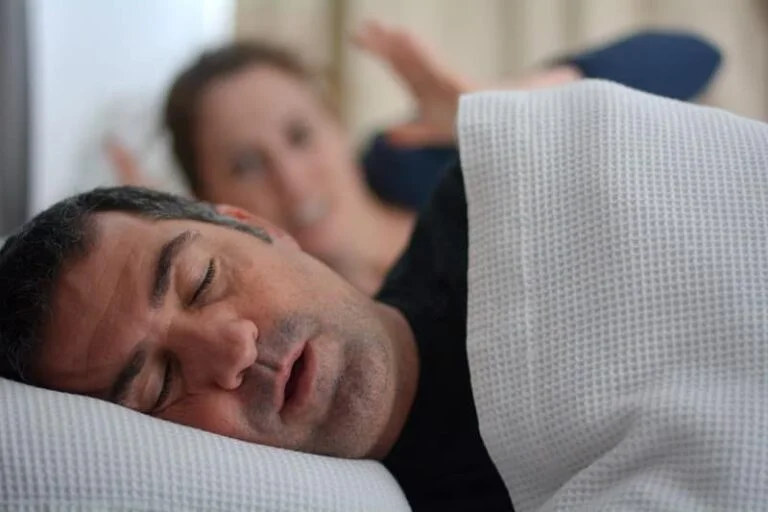
Blog Back Hearing Loss And Sleep Apnea January 10, 2023 If you have been diagnosed with sleep apnea, your doctor may have told you that sleep apnea puts you at increased risk for a number of other health conditions, including heart problems, high blood pressure, type 2 diabetes, metabolic syndrome, liver problems, and more. However, did you know that sleep apnea also increases your risk for hearing loss? What is sleep apnea? There is more than one type of sleep apnea, but the most common is obstructive sleep apnea (OSA). Obstructive sleep apnea occurs when the airway is obstructed during sleep, typically when the muscles in the throat relax or when the tongue falls back in the mouth. This results in pauses in breathing and causes the person to wake up, often feeling out of breath. Obstructive sleep apnea is often associated with snoring. Other common symptoms of OSA include excessive daytime drowsiness, irritability, difficulty staying asleep, awakening with a dry mouth, gasping for air during sleep, and difficulty paying attention while awake. Factors that increase a person’s risk for OSA include excess weight, being older, being male, greater neck circumference, smoking, and use of alcohol or sedatives. What is the link between sleep apnea and hearing loss? According to a 2022 study published in the journal Clinical Otolaryngology, people with sleep apnea are 21 percent more likely to have hearing loss. The study observed nearly 7,000 older adults in Europe. Based on the results, the study authors urge people with obstructive sleep apnea to undergo screening for hearing loss. While this study is the most recent one to explore the connection between sleep apnea and hearing loss, it is not the only one. Another study assessed almost 14,000 using in-home sleep apnea studies and on-site audiometric testing. The researchers found that hearing impairment was more common among those who snored, had a higher body mass index (BMI), and had severe sleep apnea. An additional, smaller study analyzed the oxygen levels of people with severe obstructive sleep apnea. Those with the lowest oxygen levels were much more likely to have hearing impairment. These studies show that a link exists between hearing loss and sleep apnea. However, researchers are not exactly certain what causes the connection. One theory is that because sleep apnea reduces blood flow to the ears, the ears do not receive enough blood supply to work properly. Another hypothesis is that years of snoring (strongly associated with sleep apnea) can cause damage to the ears’ sensitive hair cells. This would result in sensorineural hearing loss, with is the most common type of permanent hearing loss. How can you reduce the risk of hearing loss if you have sleep apnea? If you have sleep apnea, the best thing you can do for your hearing health and your overall health is to treat your sleep apnea. For most people with OSA, the recommended treatment option is a continuous positive airway pressure (CPAP) machine that is worn while you sleep. Oral breathing devices may also be available to treat sleep apnea. Other sleep apnea treatments include surgery to correct a blockage and medicine to help you stay awake during the day. In addition, your doctor may suggest lifestyle changes like weight loss or smoking cessation. If you have sleep apnea or you snore, it is important that you receive a hearing screening. Treatment is also available for hearing loss. To learn more about the connection between sleep apnea and hearing loss, and to schedule your appointment with our hearing specialist, we invite you to contact our office today. Share :
Are Your Bad Habits Affecting Your Hearing?

Blog Back Are Your Bad Habits Affecting Your Hearing? December 14, 2022 Do you have a bad habit you want to break in the New Year?A habit is a way of behaving that is repeated and occurs subconsciously. These everyday actions become part of us and our identity. Some practices are harmless, while others may appear harmless but are detrimental to our health. Habits can be changed, and it is our responsibility to identify those habits that are harmful and rid ourselves of them. Some habits can harm hearing health. Here are a few of those habits and some steps you can take to rid yourself of them. Protecting your hearing is vital, so it is essential to take steps to protect this precious gift.SmokingSmoking is harmful to your health. It is no secret that cancer, heart disease, and respiratory problems are directly related to nicotine addiction. Your hearing health is also affected by smoking. Nicotine and carbon dioxide from cigarette smoke tighten the blood vessels in your ears, resulting in restricted blood flow. This depletion of oxygen damages the hair cells in the inner ear resulting in hearing loss.However, there is some good news, and the benefits of smoking cessation begin just 20 minutes after you quit. Blood pressure drops and circulation improves, which benefits the flow of blood to your ears. If you smoke and would like to stop, check out the American Lung Association or smokefree.gov for help in quitting the habit.VapingVaping is much like cigarettes in the way it harms your hearing health. E-cigarettes that contain nicotine affect your hearing in the same way as traditional tobacco. Furthermore, these e-juices, filled with chemicals, affect our health in ways that remain unknown. The hidden dangers of vaping are particularly dangerous for young people due to the variety of enticing e-juice flavors.DrinkingExcessive consumption of alcoholic beverages causes numerous problems. It can affect your brain, which can also impact your hearing. Consuming alcohol over long periods damages the central auditory cortex, which is the part of your brain that processes auditory signals. The auditory cortex can shrink as a result of excessive drinking impacting the nerve responsible for processing sound. If you are trying to kick this habit and need some help, contact alcoholics anonymous or use the Behavioral Health Treatment Services Locator.Poor Dental CareBrushing and flossing your teeth not only brightens your smile, but it also helps you hear better. By practicing good dental care habits, you free your mouth from bacteria that can cause infections in your mouth. This oral bacterium can make its way into the bloodstream. Once there, it may cause inflammation and narrowing of the arteries. Hearing health then suffers due to poor circulation. So be sure to brush, floss, and rinse regularly for good dental and hearing care.Simply Ignoring A Hearing LossThis last entry may be the most detrimental of all. Ignoring a hearing loss will not make it go away. The long-term health risks associated with disregarding a hearing loss are many and can seriously affect your health. If you have difficulty hearing, now is an excellent time for a hearing evaluation with a hearing healthcare professional. Share :
Mounting Evidence Suggests Connections Between Hearing Loss And Cognitive Impairment – Even In Young Adults

Blog Back Mounting Evidence Suggests Connections Between Hearing Loss And Cognitive Impairment – Even In Young Adults December 6, 2022 Over the past several years, studies have indicated a connection between hearing loss and cognitive impairment. While this connection may not be intuitive, mounting evidence from studies across different age groups shows that such a connection does exist.The majority of past studies focused on older adults, and the findings indicated connections between increased prevalence of dementia and hearing loss, as well as increased difficulty in verbal comprehension and working memory. Determining the causal relationship of such findings is difficult; for example, hearing loss can increase the risk of dementia through reduced social interaction and increased stress and depression. However, it has also been theorized that hearing loss contributes to dementia and other cognitive impairment by draining neural resources through increased listening effort; these neural resources are then unable to be allocated to other cognitive processes.Although several studies, including those referenced above, focused on hearing loss and cognitive impairment in older adults, one recent study instead examined this connection in younger adults. In this study, researchers monitored the brain activity of 35 young healthy adults between the ages of 18-41 in response to sentences of varying syntactic complexity. As expected, the classic language network of the brain, located in the left frontotemporal cortices, displayed greater activity when the test subjects were given sentences of greater complexity.However, not all of the findings were as expected; when the test subjects were given complex sentences, increased brain activity also emerged in the right anterior prefrontal cortex, showing a negative correlation with hearing acuity. This type of right frontal activity, indicating brain plasticity, has been previously documented in older adults during language tasks, but it had not been documented in such young, healthy adults. After controlling for age, the right frontal cortex activity still showed a strong association with hearing acuity.While further longitudinal studies are needed to investigate the connection between hearing loss and cognitive ability in younger adults, these findings are still a strong indicator that hearing loss can contribute to cognitive impairment in younger adults. It is hypothesized that the increased brain activity, signaling brain elasticity, may imply depletion of neural resources in the future, ultimately leading to a greater risk of dementia.So what can be done, especially for young adults, to avoid hearing loss-related cognitive impairment? Young adults are increasingly exposed to noise at dangerous levels on a regular basis; in fact, according to surveys, more than 90 percent of college students use personal music devices, and almost half of these students listen to their music at high volumes that exceed safety standards for occupational noise exposure. This increases the risk of early hearing loss in adolescents and young adults.To reduce the risk of hearing loss and associated cognitive impairment, it is essential for young adults to avoid exposure to such high volumes of music and other noise. By protecting their hearing, young adults can reduce the risk of dementia, other forms of cognitive impairment, and various negative effects on their wellbeing connected to hearing loss.For more information on how you can protect your hearing and how to treat hearing loss, please contact us today. Share :
How Do You Know Which Hearing Aids To Choose?

Blog Back How Do You Know Which Hearing Aids To Choose? November 28, 2022 If you have hearing loss, your hearing professional may have recommended that you wear hearing aids. Your journey with hearing aids starts with you choosing your devices. But with so many hearing aids out there, especially with over-the-counter devices now available, how do you know which type of hearing aids to pick? Here are a few things to consider as you select your hearing aids.Hearing LossMany people have hearing loss, but no two people have the exact same hearing loss. Your hearing is unique and your hearing aids should be chosen with your specific hearing loss in mind. Talk to your hearing aid professional about your hearing loss and the types of hearing aids they recommend for your individual hearing needs.One tip to keep in mind: get hearing aids for both ears. Even if you only have hearing loss in one ear or hearing loss is more severe in one ear, you should wear hearing aids in both ears.SizeThe size of your hearing aid will play a role in how easy it is for other people to see your hearing aid. If it’s important to you that your hearing aid is nearly invisible, talk to your hearing professional about getting a smaller device.The size of your hearing aid might depend on more than personal preference. Size can be determined by factors like the shape of your ear, your type of hearing loss, and how advanced you want your hearing aids to be.StyleYears ago, most hearing aids came in just one style. However, today’s hearing aids come in a wide variety of styles. This includes different sizes, colors, finishes, features, and more. You can decide whether you’re comfortable with a “traditional” looking hearing aid or if you prefer a more modern style.TechnologyAgain, modern hearing aids come with a wide range of available features. These include technology features like Bluetooth, phone connectivity (if you have a smartphone like an iPhone, Android, or Google phone), connectivity for your TV or computer, control features from a phone app, and more. Talk to your hearing aid professional about how tech-savvy you are and how technologically advanced you want your hearing aids to be. With such a wide range of options, you’re sure to find one that fits your technology needs.LifestyleDo you work? Do you enjoy being active? Do you often participate in outdoor activities? Do you use a cell phone? Do you use a landline? Do you use a radio? All of these factors (and more) should be considered when choosing your hearing aids. Your hearing aid professional will be able to recommend hearing aids that best fit your lifestyle and your specific needs.CostThis might be the elephant in the room: cost. More advanced hearing aids are more expensive, while more basic ones are less expensive. Thankfully, there are effective solutions for any price range. Be open when talking to your hearing professional about the cost you are comfortable with. Many hearing practices can offer payment plans, so ask about that as well.The bottom line is that choosing hearing aids should take into account several factors—and in the end, the selection is very personalized. The best way to get the best hearing aids for you is to work with a hearing aid professional who can consider all of your needs and desires to help you make the best choice. For more information and to set up your appointment with our hearing professional, we welcome you to contact our office today. Share :