Blog Back 6 Ways to Participate in Better Hearing Month This May May 18, 2026 Every May, hearing healthcare professionals across the country recognize Better Hearing & Speech Month. It is a time dedicated to raising awareness about hearing health and encouraging people to take steps toward better communication and quality of life. Hearing loss affects millions of people of all ages, yet many delay seeking help because the changes can happen gradually over time. Better Hearing and Speech Month is the perfect opportunity to learn more about your hearing, support loved ones, and take proactive steps to protect one of your most important senses. Here are several simple and meaningful ways to participate this May. 1. Schedule a Hearing TestOne of the best ways to participate in Better Hearing Month is by scheduling a professional hearing evaluation. Many people live with untreated hearing loss for years before seeking help. A hearing test can identify changes in your hearing early and provide valuable information about your overall hearing health. Even if you do not currently notice hearing difficulties, baseline testing is important, especially for adults over 50 or individuals regularly exposed to loud environments. Early detection often leads to better treatment outcomes and improved long-term hearing health. 2. Learn the Signs of Hearing LossHearing loss is not always obvious. Sometimes the signs are subtle and easy to dismiss. Better Hearing Month is a great time to educate yourself and your family about common symptoms, including: Frequently asking others to repeat themselves Turning up the television volume Difficulty understanding conversations in noisy places Feeling tired after conversations Ringing or buzzing in the ears (tinnitus) Recognizing these signs early can encourage timely treatment and prevent communication challenges from worsening. 3. Protect Your HearingPreventing hearing damage is just as important as treating hearing loss. Noise-induced hearing loss is common but often preventable. During Better Hearing Month, make an effort to adopt healthier listening habits. Simple ways to protect your hearing include: Wearing hearing protection during loud activities Lowering headphone volume Taking listening breaks Avoiding prolonged exposure to loud noise Whether you enjoy concerts, sporting events, woodworking, or yard work, hearing protection can make a significant difference over time. 4. Encourage Loved Ones to Seek HelpMany people hesitate to address hearing concerns because they are embarrassed or unsure about treatment options. Better Hearing Month is a wonderful opportunity to start supportive conversations with family members or friends who may be struggling with hearing difficulties. Approach the topic with kindness and encouragement rather than frustration. Modern hearing technology is more advanced, discreet, and comfortable than ever before, and treatment can dramatically improve communication and confidence. 5. Explore Modern Hearing TechnologyToday’s hearing aids offer impressive features designed to improve everyday life. Many devices include Bluetooth connectivity, rechargeable batteries, smartphone compatibility, and customized sound settings for different environments. If you have been curious about hearing aids or have outdated devices, Better Hearing Month is an excellent time to learn about newer options. Scheduling a consultation with a hearing professional can help you better understand which solutions may fit your lifestyle and needs. 6. Spread AwarenessAnother meaningful way to participate is by sharing information about hearing health with others. Talk with friends and family about the importance of hearing protection and regular hearing care. You can also share educational articles or social media posts that promote hearing awareness during the month of May. Take the First Step Toward Better HearingBetter Hearing Month serves as an important reminder that hearing health plays a major role in communication, relationships, mental well-being, and overall quality of life. Small actions taken today, whether scheduling a hearing test, protecting your ears, or supporting a loved one, can make a lasting impact. If you have questions about your hearing or would like to schedule a professional evaluation, our team is here to help you take the next step toward better hearing and better living. Share :
Author: sitemanager
Rechargeable Hearing Aids: Pros, Cons, and What to Consider
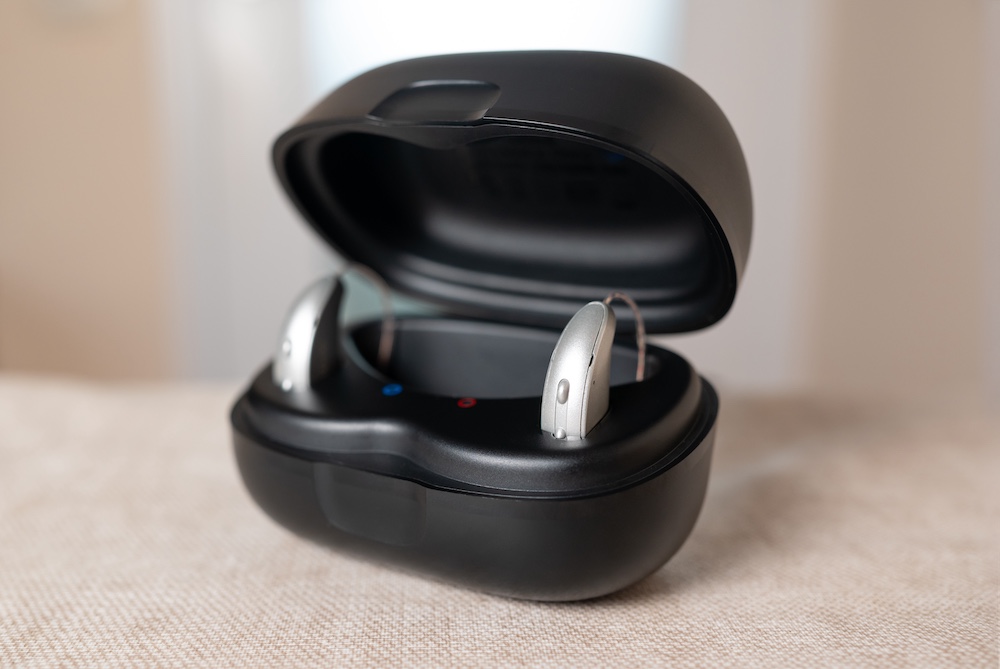
Blog Back Rechargeable Hearing Aids: Pros, Cons, and What to Consider April 27, 2026 Rechargeable hearing aids have become increasingly popular in recent years, and for good reason. With advances in battery technology and user-friendly design, they offer a convenient alternative to traditional disposable battery models. But like any technology, rechargeable hearing aids come with both advantages and limitations. If you’re considering hearing aids, understanding the pros and cons of rechargeable options can help you make the best choice for your lifestyle and hearing needs. The Pros of Rechargeable Hearing Aids 1. Convenience and Ease of Use One of the biggest benefits of rechargeable hearing aids is simplicity. Instead of handling tiny disposable batteries, which can be especially difficult for individuals with arthritis, dexterity issues, or vision challenges, you simply place your hearing aids in a charging station overnight. By morning, they’re ready to go. 2. Cost Savings Over Time While rechargeable hearing aids may have a higher upfront cost, they can save money in the long run. Disposable batteries need to be replaced regularly, sometimes as often as every few days or weeks depending on usage. With rechargeable models, you eliminate the ongoing expense of purchasing replacement batteries. 3. Environmentally Friendly Rechargeable hearing aids are a more sustainable option. Disposable hearing aid batteries contribute to environmental waste, whereas rechargeable devices significantly reduce the number of batteries that end up in landfills. 4. Reliable Daily Power Modern rechargeable hearing aids are designed to last a full day on a single charge. This range is often 16 to 24 hours, even with streaming and other advanced features. This reliability can provide peace of mind, especially for those with busy or active lifestyles. 5. Sleek, Modern Design Rechargeable models are often built with integrated batteries, allowing for more streamlined and contemporary designs. Many users appreciate their discreet appearance and comfortable fit. The Cons of Rechargeable Hearing Aids 1. Daily Charging Required Unlike disposable battery models, rechargeable hearing aids must be charged every day. Forgetting to charge them overnight could leave you without hearing support the next day. For some users, this daily routine may take getting used to. 2. Limited Battery Lifespan Rechargeable batteries don’t last forever. Over time, typically after 3 to 5 years, the battery’s capacity may decline, meaning it won’t hold a full day’s charge. At that point, the device may need servicing or replacement. 3. Dependence on Electricity Rechargeable hearing aids require access to power. This can be a drawback during travel, camping, or power outages. While portable charging cases are available, they still need to be recharged periodically. 4. Higher Initial Cost The upfront price of rechargeable hearing aids is often higher than traditional models. Although this may balance out over time, it can be a consideration for those on a tighter budget. 5. Charging Time Most devices take several hours to fully charge. While quick-charge features are improving, users still need to plan ahead to ensure their devices are ready when needed. Is a Rechargeable Hearing Aid Right for You? Rechargeable hearing aids are an excellent option for many people, especially those who value convenience, sustainability, and modern design. However, they may not be ideal for everyone, particularly if you prefer the flexibility of swapping batteries on the go or frequently spend time without reliable access to electricity. The best way to decide is to discuss your lifestyle, hearing needs, and preferences with a hearing care professional. We invite you to contact us today to learn more. Share :
The Impact of Hearing Loss on Relationships and How to Stay Connected

Blog Back The Impact of Hearing Loss on Relationships and How to Stay Connected April 20, 2026 Hearing loss doesn’t just affect how you perceive sound; it can also influence how you connect with the people around you. From family dynamics to friendships and romantic partnerships, communication challenges can create frustration, misunderstandings, and even emotional distance. The good news is that with awareness, support, and the right strategies, it’s absolutely possible to maintain strong, fulfilling relationships. How Hearing Loss Affects Relationships 1. Family Relationships In families, communication is constant, whether it’s casual conversation at the dinner table or important discussions about daily life and big decisions. When hearing loss is present, it can lead to repeated misunderstandings or missed information. Loved ones may feel like they have to repeat themselves often, while the person with hearing loss may feel embarrassed, excluded, or even withdraw from conversations altogether. 2. Friendships Social settings can be especially challenging. Background noise in restaurants, group conversations, or crowded events can make it difficult to follow along. Over time, this may lead some individuals to avoid social gatherings, which can unintentionally create distance between friends. Others may misinterpret this withdrawal as disinterest, rather than recognizing it as a communication barrier. 3. Romantic Relationships In romantic partnerships, clear communication is essential. Hearing loss can sometimes lead to misinterpretations, frustration, or feelings of being unheard, both literally and emotionally. A partner without hearing loss may feel ignored, while the partner with hearing loss may feel unfairly blamed or overwhelmed. These challenges can strain even strong relationships if not addressed openly. Emotional Impact Beyond communication, hearing loss can affect emotional well-being. Feelings of isolation, anxiety, or reduced confidence are common. Over time, these emotional effects can ripple into relationships, making it even more important to address hearing health proactively. Tips for Improving Communication The key to maintaining healthy relationships is adapting communication in ways that work for everyone involved. Here are some practical strategies: 1. Be Open and Honest Talk openly about hearing loss with your loved ones. Let them know what situations are most challenging and how they can help. Clear communication about communication itself can make a big difference. 2. Get Attention First Before speaking, gently get the person’s attention by saying their name or making eye contact. This ensures they’re ready to listen and reduces missed information. 3. Face Each Other Visual cues like facial expressions and lip movements are incredibly helpful. Try to face each other directly when speaking, especially in important conversations. 4. Reduce Background Noise> Whenever possible, minimize competing sounds. Turn off the TV during conversations and choose quieter environments for socializing. 5. Speak Clearly, Not Loudly Shouting can distort speech and make understanding more difficult. Instead, speak at a natural pace and volume, and enunciate clearly. 6. Use Technology Hearing aids and assistive listening devices can significantly improve communication. Modern hearing aids are discreet, effective, and can even connect to smartphones for enhanced sound clarity. Managing Stress and Strengthening Connections It’s important to recognize that both individuals, those with hearing loss and their loved ones, may feel frustrated at times. Patience and empathy go a long way. Consider these additional tips: Practice active listening: Both parties should make an effort to stay engaged and confirm understanding. Take breaks when needed: Communication fatigue is real. Short breaks can help reset and reduce frustration. Seek professional support: Hearing professionals can provide not only hearing solutions but also communication counseling for patients and families. Staying Connected Hearing loss may present challenges, but it doesn’t have to define your relationships. With the right tools, strategies, and support, meaningful communication is absolutely achievable. By addressing hearing loss early and working together, you can strengthen your connections and continue to enjoy the conversations that matter most. We invite you to contact our hearing practice today for more information. Share :
Can Adults Get Cochlear Implants? Yes!
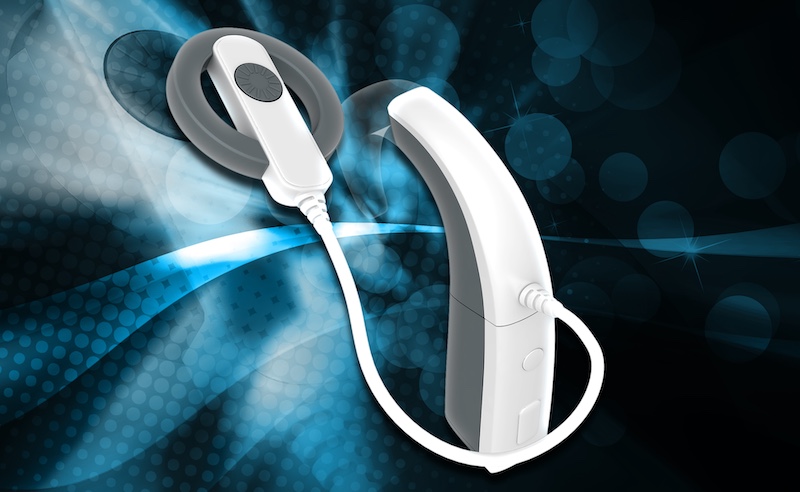
Blog Back Can Adults Get Cochlear Implants? Yes! March 23, 2026 When most people think about cochlear implants, they picture young children born with significant hearing loss. While cochlear implants can be life-changing for children, many adults are surprised to learn that they may also be candidates. In fact, thousands of adults each year choose cochlear implants to reconnect with the sounds and people they love. If you’re an adult struggling with hearing loss, here’s what you should know. What Is a Cochlear Implant?A cochlear implant is a small electronic medical device designed for individuals with severe to profound sensorineural hearing loss. Unlike hearing aids, which amplify sounds to make them louder, cochlear implants bypass the damaged parts of the inner ear and directly stimulate the auditory nerve. The device has two main components: An internal portion that is surgically placed under the skin behind the ear An external sound processor worn behind the ear Together, they work to convert sound into electrical signals that the brain can interpret as meaningful sound. Can Adults Get Cochlear Implants?Yes, adults absolutely can get cochlear implants. Many adult candidates have experienced progressive hearing loss over time. Others may have sudden hearing loss or long-standing hearing impairment that hearing aids no longer adequately address. You may be a candidate if: You have severe to profound hearing loss in one or both ears Hearing aids provide limited benefit You struggle to understand speech, even with properly fitted hearing aids Hearing loss significantly impacts your daily life A hearing specialist can conduct comprehensive testing to determine whether a cochlear implant is appropriate for you. Why Hearing Aids Sometimes Aren’t EnoughHearing aids are an excellent solution for many types of hearing loss. However, when the inner ear’s hair cells are significantly damaged, simply making sound louder does not improve clarity. Speech may still sound muffled or distorted. In these cases, a cochlear implant can provide clearer access to speech by bypassing the damaged structures entirely. For adults who feel frustrated because they “can hear but can’t understand,” this technology can be a turning point. What Is the Process Like for Getting Cochlear Implants?The process of getting cochlear implants typically involves several steps: Comprehensive Hearing EvaluationYour hearing specialist will perform detailed testing to evaluate your hearing levels and speech understanding with hearing aids. Medical EvaluationAn ear, nose, and throat (ENT) physician will assess your overall ear health and determine surgical candidacy. SurgeryThe outpatient procedure usually takes a few hours. Most adults return home the same day. Activation and ProgrammingA few weeks after surgery, the external processor is fitted and activated. Your hearing specialist will program the device and adjust it over time. RehabilitationAuditory therapy and practice are essential as your brain adapts to hearing in a new way. It’s important to know that cochlear implants do not restore “normal” hearing. Instead, they provide access to sound in a different way. With time and consistent use, many adults report significant improvements in speech understanding and overall communication. What Results Can Adults Expect from Cochlear Implants?Outcomes vary depending on factors such as how long you’ve had hearing loss and your overall auditory health. However, many adults experience: Improved speech understanding, even in challenging environments Better phone communication Greater confidence in social situations Reduced listening fatigue For many, the greatest benefit is renewed connection with family, friends, coworkers, and the world around them. Is It Too Late to Get Cochlear Implants?A common concern among adults is, “Am I too old for a cochlear implant?” Age alone is not a barrier. Adults in their 60s, 70s, and even 80s can successfully receive cochlear implants. The most important factors are your hearing profile, overall health, and personal goals. If hearing loss is limiting your quality of life, it’s worth exploring your options. If you’re curious whether a cochlear implant could be right for you, our team is here to help. We welcome you to contact us today to learn more. Share :
7 Tips for Getting Used to New Hearing Aids
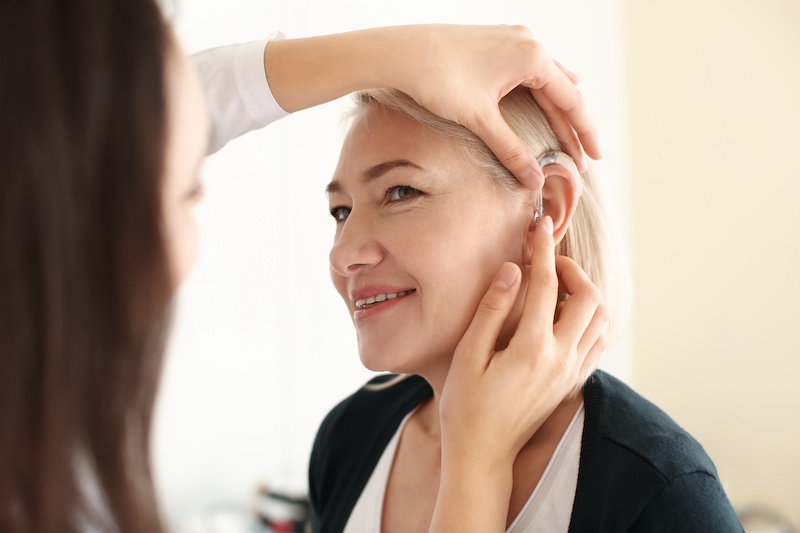
Blog Back 7 Tips for Getting Used to New Hearing Aids March 16, 2026 Getting new hearing aids is an exciting step toward better hearing and better connections with the people around you. At the same time, it’s completely normal for the adjustment period to feel a little overwhelming. If everyday sounds seem sharper, louder, or simply “different,” don’t worry. Your brain just needs time to adapt. Here are some practical, reassuring tips to help you get comfortable with your new hearing aids. 1. Give Yourself Time to AdjustHearing aids don’t just amplify sound—they reintroduce your brain to sounds it may not have heard clearly in months or even years. Things like footsteps, rustling paper, birds chirping, or the hum of your refrigerator might suddenly stand out. This is part of a process called auditory adaptation. Your brain needs time to relearn which sounds are important and which can fade into the background. Most people adjust within a few weeks, especially if they wear their devices consistently. 2. Wear Them ConsistentlyOne of the most important tips is simple: wear your hearing aids every day. Start by wearing them for several hours at a time, gradually increasing to all waking hours. The more consistently you wear them, the faster your brain adapts. Taking long breaks can slow down the adjustment process. Think of it like breaking in a new pair of shoes. Steady use helps them feel natural more quickly. 3. Start in Quiet EnvironmentsIn the beginning, try wearing your hearing aids in calm, familiar settings, such as at home. Practice listening to: Conversations with one family member Television at a moderate volume Everyday household sounds Once you feel more comfortable, gradually introduce more challenging environments, like restaurants or social gatherings. This step-by-step approach can build confidence and reduce frustration. 4. Practice Active ListeningYour brain may need practice distinguishing speech from background noise. Face the person speaking, maintain eye contact, and reduce competing noise when possible (for example, turn off the TV during conversations). If you miss something, it’s okay to ask someone to repeat themselves. Clear communication is part of the adjustment process. 5. Expect Your Own Voice to Sound DifferentMany new wearers notice that their own voice sounds louder or slightly “echoey” at first. This sensation is common and typically fades as your brain adjusts. If it continues to feel uncomfortable, your hearing specialist can fine-tune your devices. 6. Keep Follow-Up AppointmentsYour initial fitting is just the beginning. Follow-up visits are essential to make small programming adjustments based on your real-world experiences. Be prepared to share specific examples with your hearing specialist: Are certain sounds too sharp? Is speech still unclear in noise? Does one ear feel louder than the other? These details help your hearing specialist customize your hearing aids to your needs. 7. Take Care of Your DevicesClean your hearing aids daily and store them properly when not in use. Proper maintenance ensures consistent performance and reduces the chance of irritation or malfunction. If you ever experience discomfort, feedback (whistling), or technical issues, contact your hearing specialist office promptly rather than stopping use altogether. Adjusting to hearing aids is a process, but it’s one that leads to better communication, stronger relationships, and improved quality of life. With patience, consistent wear, and support from your hearing team, your new hearing aids will soon feel like a natural part of your daily routine. If you have questions or need adjustments, we’re here to help every step of the way. We welcome you to contact us today for more information or to schedule an appointment. Share :
The Connection Between Hearing Loss and Hypothyroidism

Blog Back The Connection Between Hearing Loss and Hypothyroidism November 18, 2025 For many people, the most well-known and obvious symptoms of hypothyroidism include fatigue, weight gain, or feeling cold all the time. But did you know that thyroid function can also affect your hearing? While it may not be as widely discussed, research has shown a meaningful connection between hypothyroidism and hearing loss. Understanding this relationship can help you take proactive steps to protect both your overall health and your hearing. What Is Hypothyroidism? Hypothyroidism occurs when the thyroid gland, which is a small, butterfly-shaped gland in the neck, does not produce enough thyroid hormones. These hormones play a crucial role in regulating metabolism, energy production, and the function of many organs throughout the body. Common symptoms of hypothyroidism include: Fatigue Weight gain Depression Dry skin Constipation Cold sensitivity Brain fog Because thyroid hormones influence nearly every system in the body, it’s not surprising that the auditory system can also be affected. How Hypothyroidism Can Impact Hearing Thyroid hormones are essential for proper nerve function and circulation, both of which are critical for healthy hearing. Studies suggest that people with hypothyroidism may experience: Sensorineural hearing loss (damage to the inner ear or auditory nerve) Conductive hearing loss (related to issues in the middle ear) Mixed hearing loss (a combination of both) Tinnitus (ringing in the ears) There are several possible explanations for this connection: Nerve Function: Low thyroid hormone levels can impair the function of the auditory nerve. Fluid Balance: Hypothyroidism may affect fluid regulation in the inner ear, which is vital for sound processing. Circulation: Reduced blood flow can affect the delicate structures of the cochlea. Autoimmune Factors: Conditions like Hashimoto’s thyroiditis (an autoimmune form of hypothyroidism) may increase inflammation that impacts hearing. In some cases, hearing changes are subtle and gradual, making them easy to overlook. Treatment Options for Hypothyroidism The primary treatment for hypothyroidism is thyroid hormone replacement therapy, most commonly in the form of levothyroxine. This medication restores hormone levels to a healthy range and typically improves many systemic symptoms. With proper thyroid management: Energy levels often improve Metabolism stabilizes Cognitive clarity increases In some individuals, hearing may partially improve once thyroid levels are normalized, particularly if the hearing changes were mild and identified early. However, hearing recovery is not guaranteed, which makes early detection important. Treatment Options for Hearing Loss If hearing loss persists despite appropriate thyroid treatment, there are excellent solutions available. Hearing aids are the most common and effective treatment for sensorineural hearing loss. Modern devices are discreet, comfortable, and highly advanced, capable of filtering background noise and improving speech clarity. For more severe cases, cochlear implants may be an option. These devices bypass damaged portions of the ear and directly stimulate the auditory nerve. If tinnitus is present, sound therapy, hearing aids with tinnitus masking features, and counseling strategies can help reduce its impact. The most important first step is a comprehensive hearing evaluation. If you have hypothyroidism and notice difficulty hearing conversations, needing to turn up the TV, or persistent ringing in your ears, it’s wise to schedule a hearing test. A Collaborative Approach to Care Because hypothyroidism affects multiple systems in the body, coordination between your primary care provider, endocrinologist, and hearing specialist is key. Managing thyroid levels while addressing hearing concerns ensures you receive comprehensive, personalized care. If you have hypothyroidism (or suspect you might) and are experiencing changes in your hearing, don’t ignore them. Early evaluation and treatment can make a meaningful difference in your quality of life. We welcome you to contact us today to learn more about the connection between hearing loss and hypothyroidism. Share :