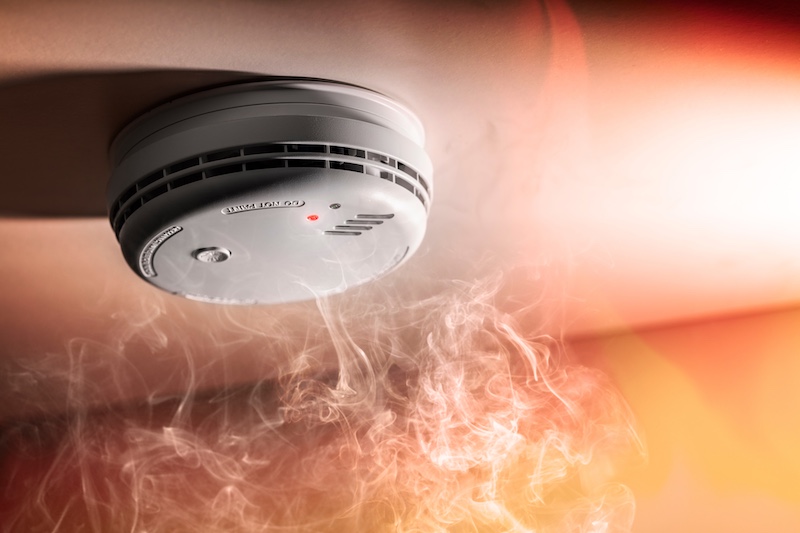
Blog Back Fire Alarms and Fire Safety for People with Hearing Loss October 21, 2025 Fire safety is essential for everyone, but for individuals with hearing loss, traditional smoke alarms may not provide the timely alerts needed in an emergency. Fortunately, there are specialized fire safety devices and strategies designed to ensure safety and peace of mind for people with hearing loss. Here’s what you should know about fire alarms and fire safety solutions that can help keep you and your loved ones protected. Why Standard Fire Alarms May Not Be EnoughTraditional fire alarms rely on loud, high-pitched sounds to alert people to danger. For individuals who are deaf or have significant hearing loss—especially when sleeping without hearing aids or cochlear implants—these alarms may not be effective. Even those with mild to moderate hearing loss might struggle to hear alarms over background noise or from another room. This delay in awareness can make a critical difference during a fire emergency. Specialized Fire Alarms for People with Hearing LossThankfully, modern technology has made it easier to create fire alarm systems that meet the needs of people who are hard of hearing or deaf. Here are the most common and effective types: Strobe Light AlarmsThese alarms use bright, flashing lights to visually alert you when smoke or fire is detected. They are ideal for individuals who are awake and can see the flashes clearly. Strobe alarms should be installed in all main living areas and bedrooms for the best coverage. Vibration AlarmsDesigned to wake sleepers, vibration alarms can be placed under a pillow or mattress. When smoke or fire is detected, the alarm vibrates powerfully to wake the individual. These systems are often paired with strobe lights for both tactile and visual alerts. Smart Home Fire Safety SystemsSome smart home systems now integrate with specialized smoke detectors to send alerts to your smartphone or smartwatch. These notifications can include flashing lights, vibration cues, and emergency instructions, providing an additional layer of safety and convenience. Combination SystemsThe most effective fire safety setups often use a combination of strobe, vibration, and sound alerts. This multi-sensory approach ensures that everyone in the household, regardless of hearing level, is warned in case of fire. Additional Fire Safety Tips for People with Hearing LossBeyond installing the right alarms, there are several important steps you can take to stay safe: Test alarms regularly. Make sure batteries are charged and systems are functioning properly every month. Place alarms strategically. Install devices in bedrooms, hallways, kitchens, and near exits. Create an emergency plan. Practice fire drills with your family or roommates so everyone knows what to do. Alert local emergency services. Some fire departments keep a record of residents with hearing impairments, allowing them to tailor their response during emergencies. Educate visitors. Make sure guests know how your alarm system works and what to do if it activates. Peace of Mind Through PreparednessFire safety doesn’t have to be stressful. With the right equipment and a solid plan, you can protect your home and loved ones effectively. If you or someone you care for has hearing loss, talk to your hearing care provider about additional assistive technology options that can integrate with your lifestyle. At our hearing practice, we’re dedicated to helping our patients live safely and confidently with hearing loss. If you’d like more information about hearing-friendly safety solutions, we welcome you to contact us today. Share :
Author: sitemanager
What to Do If a Bug Gets Stuck in Your Ear
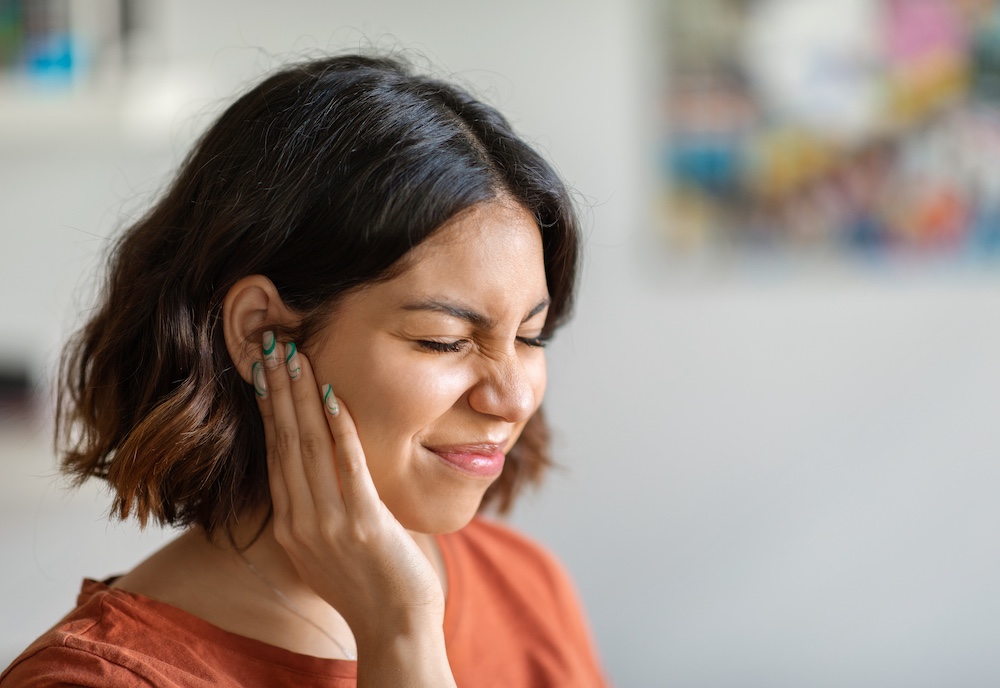
Blog Back What to Do If a Bug Gets Stuck in Your Ear September 23, 2025 Finding out that a bug has crawled into your ear can be a very unsettling experience. While it’s not very common, it does happen—and knowing what to do (and what not to do) can make all the difference in keeping your ear safe and comfortable. In this blog post, we will discuss the steps you should take if a bug is stuck in your ear. How to Tell If a Bug Is in Your EarWhen a bug becomes trapped in the ear canal, you may notice: A sensation of movement or fluttering inside the ear Sudden discomfort, pain, or pressure Buzzing or clicking sounds Difficulty hearing clearly from that ear These sensations are typically very distinct from other ear issues like earwax buildup or infections. This makes it easier to suspect that something unusual, like a bug, might be the cause. What to Do If You Suspect a Bug in Your EarIf you think a bug is in your ear, stay calm. Panicking or poking around in your with objects can make the situation worse. Here are some safe steps you can take: Stay still and avoid inserting anything into your ear. Cotton swabs, tweezers, or other objects can push the bug deeper and potentially cause injury. Tilt your head so the affected ear is facing upward. Sometimes, the bug may crawl or fall out on its own. Use gravity first. If the bug doesn’t move, gently tilt your head so the affected ear is facing downward and give it a light shake. Try a little warm (not hot) mineral oil or baby oil. If the insect is still inside and alive, adding a few drops of warm oil into the ear canal may help immobilize or suffocate it, making it easier to flush out later. Do not attempt this if you have a history of ear surgery, eardrum perforation, or ear tubes, as oil can cause complications. Flush with warm water. After a few minutes, gently rinsing the ear with warm water using a bulb syringe may help remove the bug. Again, only attempt this if you’re sure your eardrum is intact. When to Seek Professional HelpIf you’re unable to remove the bug on your own, or if you experience pain, bleeding, dizziness, or hearing changes, seek medical attention promptly. A hearing professional has the right tools and expertise to safely remove the insect without causing damage to the delicate structures of the ear. Other Objects That Can Get Stuck in the EarIt’s not just insects—children and even adults sometimes get small objects lodged in the ear canal. Common culprits include: Beads, buttons, or small toys (in children) Pieces of cotton from swabs Food particles or seeds If something other than a bug gets stuck in your ear, the same rules apply: do not attempt to remove it with sharp tools or cotton swabs. Instead, seek professional help to avoid pushing the object deeper or causing injury./p> Final ThoughtsWhile finding a bug in your ear can be alarming, the key is to remain calm and avoid attempting unsafe removal methods. Simple steps like tilting your head, using oil, or flushing with water may help, but professional care is often the safest solution. To learn more, we invite you to contact our hearing practice today. Share :
Hearing Loss in School Children: Why Early Detection Matters
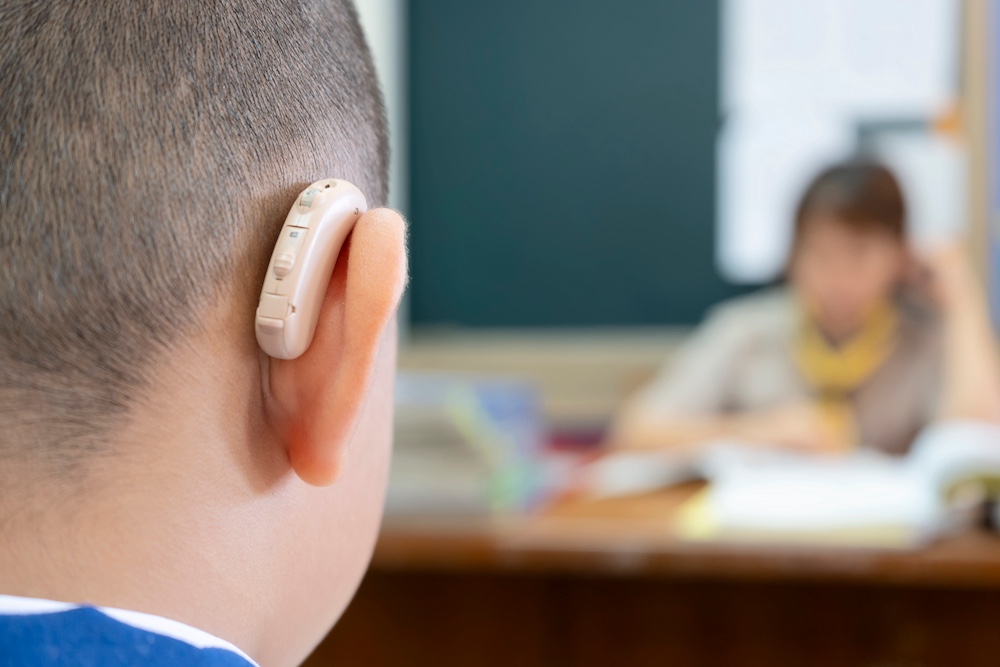
Blog Back Hearing Loss in School Children: Why Early Detection Matters September 16, 2025 For children, hearing is the foundation for learning, communication, and social interaction. In the classroom, children rely heavily on their ability to listen, whether it’s following directions, engaging in group activities, creating friendships, or building strong reading and language skills. When hearing loss goes undiagnosed, it can affect not only academic performance but also confidence and social development. In this blog post, we will discuss the importance of detecting and treating hearing loss in children, especially in relation to academic success. Why It’s Important to Treat Hearing Loss EarlyEven a mild degree of hearing loss can create challenges in a busy classroom environment. Children may miss parts of lessons, struggle to keep up with peers, or become frustrated when they cannot follow conversations. Left untreated, hearing loss can contribute to language delays, learning difficulties, and even behavioral concerns. The good news is that with early identification and proper treatment, children with hearing loss can succeed in school and thrive socially. Options such as hearing aids, assistive listening devices, or individualized classroom accommodations can make a significant difference in a child’s educational journey. Common Signs of Hearing Loss in ChildrenBecause children don’t always realize they have difficulty hearing, parents and teachers play an important role in recognizing the signs. Some indicators that a child may have hearing loss include: Trouble following instructions, especially in noisy settings Frequently asking for repetition (“What?” or “Huh?”) Turning up the volume on devices higher than normal Speech or language delays compared to peers Difficulty keeping up academically, particularly with reading or spelling Appearing inattentive, frustrated, or withdrawn in group situations If you notice one or more of these behaviors, it may be time to schedule a hearing evaluation. What to Do if You Suspect Hearing Loss in Your ChildIf you think your child may be experiencing hearing loss, here are the steps to take: Schedule a professional hearing evaluation – A hearing professional can assess your child’s hearing and determine the type and degree of hearing loss. Communicate with teachers – Educators can share valuable insights into how your child responds in a classroom setting. They can also offer strategies for accommodating and supporting your child. Explore treatment options – Depending on the results, solutions may include hearing aids, medical treatment for underlying issues, or classroom support strategies. Provide support at home – Speak clearly, reduce background noise, and make sure your child feels comfortable letting you know when they have trouble hearing. Helping Your Child SucceedHearing loss does not have to limit your child’s potential. With the right professional care and support, children can excel academically, stay engaged socially, and grow with confidence. If you have concerns about your child’s hearing, our experienced team is here to help. We provide comprehensive hearing evaluations and personalized treatment options to support your child’s success both in and out of the classroom. We invite you to contact us today to learn more and to set up an appointment. Share :
Everything You Need to Know about Impacted Ear Wax
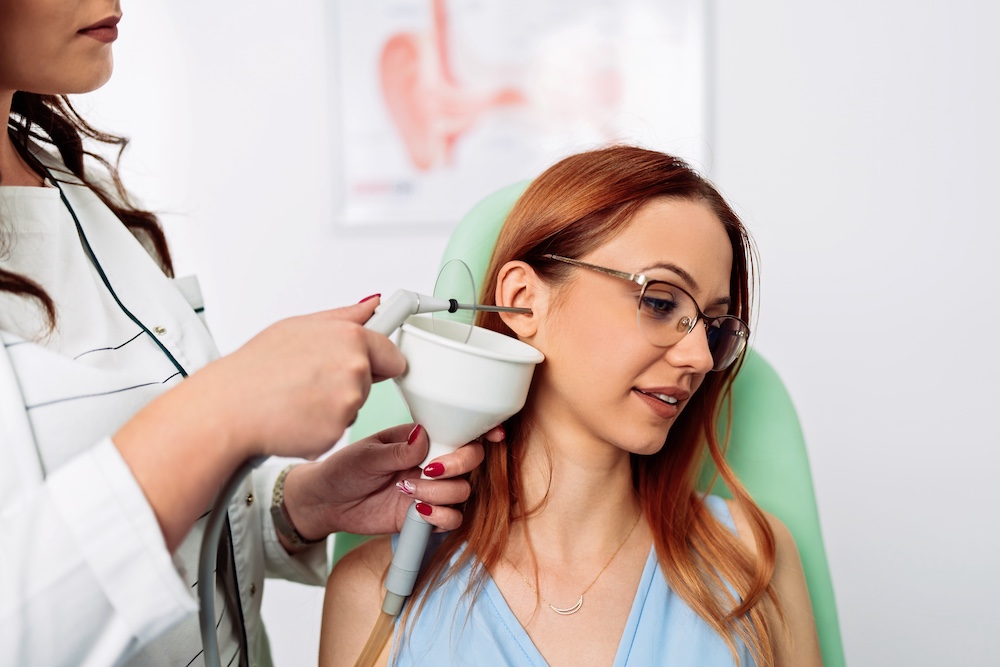
Blog Back Everything You Need to Know about Impacted Ear Wax August 26, 2025 Ear wax, or cerumen, is a natural substance your body produces to protect your ears. It helps trap dust, debris, and bacteria, keeping your ear canal healthy. Normally, ear wax works its way out naturally through chewing, talking, and other jaw movements. However, sometimes it builds up and becomes impacted, leading to discomfort and hearing problems. In this blog post, we’ll discuss how impacted ear wax occurs, the symptoms, and how to treat impacted ear wax. What Is Impacted Ear Wax?Impacted ear wax occurs when wax hardens or accumulates in the ear canal and can’t come out on its own. This blockage can partially or completely obstruct the ear canal, affecting hearing and causing irritation. Why Does Ear Wax Become Impacted?Several factors can lead to impacted ear wax, including: Ear canal shape – Some people have naturally narrow or curved ear canals that make it harder for wax to exit. Overproduction of wax – Certain individuals produce more ear wax than average. Use of cotton swabs or objects in the ear – Instead of removing wax, these often push it deeper, compacting it against the eardrum. Hearing aids or earplugs – Regular use can trap wax and prevent it from working its way out. Skin conditions – Eczema or other skin issues can affect wax texture, making it more likely to block the canal. Symptoms of Impacted Ear WaxIf you have impacted ear wax, you might notice: Hearing loss (partial, often sudden in onset) Earache or a feeling of fullness in the ear Tinnitus (ringing or buzzing in the ear) Dizziness or balance problems Itching or odor from the ear Coughing (due to a shared nerve connection between the ear and throat) If you experience severe pain, drainage, or sudden hearing loss, it’s important to seek medical attention right away. Treatment Options for Impacted Ear Wax Soften the Wax at HomeOver-the-counter ear drops, mineral oil, baby oil, glycerin, or hydrogen peroxide-based solutions can help soften wax so it can work its way out naturally. Follow product instructions carefully, and avoid use if you have a damaged eardrum or ear infection. IrrigationDoctors sometimes use a gentle water flush to rinse out wax. At-home bulb syringe kits are available, but improper use can cause injury, so professional irrigation is safer. Manual RemovalIn cases of stubborn or very hard wax, a healthcare provider may use special instruments, like a curette or suction device, to remove it. This is quick, safe, and effective when done by a trained professional. Avoid “Ear Candling”Despite its popularity in some circles, ear candling has no proven benefit and carries a risk of burns or further impaction. Impacted Ear Wax Prevention TipsYou can help to prevent impacted ear wax by taking the following simple steps: Avoid inserting cotton swabs or small objects into your ears. If you’re prone to buildup, schedule periodic ear checks with your healthcare provider. Use drops occasionally to help prevent hardened wax, if recommended by your doctor. Bottom Line:Impacted ear wax is common, but it can be uncomfortable and affect your hearing. With the right treatment—often quick and simple—you can restore ear health and prevent future blockages. If you’re unsure or symptoms persist, always seek professional help rather than trying risky at-home methods. If you believe you may have impacted ear wax or if you’d like to learn more about treatment options, we invite you to contact our hearing practice today. Share :
Why You Might Experience Tinnitus After Working Out

Blog Back Why You Might Experience Tinnitus After Working Out August 19, 2025 If you’ve ever finished a workout and noticed a faint ringing, buzzing, or whooshing sound in your ears, you might have experienced exercise-induced tinnitus. While it can be surprising, and sometimes a little unsettling, tinnitus after exercise is usually temporary and has several possible explanations. Understanding what’s going on can help you manage it and know when it might be time to check in with a healthcare professional. What Is Tinnitus?Tinnitus is the perception of sound when no external source is present. For some, it sounds like ringing; for others, it may be humming, hissing, or pulsing. Tinnitus can be occasional or ongoing, mild or distracting. It’s not a disease itself, but a symptom that can have many different causes. Why Does It Happen After Exercise? Increased Blood Pressure and CirculationWhen you work out, your heart pumps faster and your blood pressure temporarily rises to deliver oxygen to your muscles. This surge in blood flow can also affect the tiny blood vessels in your inner ear, sometimes producing a pulsing or ringing sensation. Changes in Inner Ear PressureThe inner ear is sensitive to changes in pressure. Activities that involve straining, heavy lifting, or holding your breath (like during intense weight training) can create pressure shifts that momentarily affect hearing and trigger tinnitus. Temporary Hearing Changes from Loud EnvironmentsIf you exercise in a noisy gym or wear headphones at a high volume, your ears might be exposed to loud sounds that can temporarily irritate the auditory system. This can contribute to post-workout ringing. Muscle Tension and Neck/Shoulder StrainTight muscles in your neck, shoulders, and jaw can put pressure on nerves and blood vessels connected to your ears. High-intensity workouts or poor form may increase this tension, making tinnitus more noticeable. DehydrationEven mild dehydration can affect blood flow and electrolyte balance, which can sometimes impact how your auditory system functions. Is Tinnitus After Working Out Dangerous?Most of the time, tinnitus after exercise is temporary and fades as your body returns to its resting state. However, if the ringing: Persists for hours or days after workouts Is accompanied by dizziness, hearing loss, or pain Occurs with every workout regardless of intensity …it’s worth getting checked by a hearing specialist or healthcare provider. Persistent tinnitus can be linked to hearing issues, circulatory problems, or other underlying conditions that benefit from early detection. Tips to Reduce Exercise-Induced TinnitusYou can help to reduce the risk of experiencing tinnitus after working out by following these tips: Stay hydrated – Drink water before, during, and after exercise. Avoid excessive straining – Use proper breathing techniques when lifting weights rather than holding your breath. Do not lift weights that are too heavy for you. Mind your volume – Keep music at a moderate level if using headphones. Stretch and relax muscles – Pay attention to neck and shoulder stretches before and after workouts. Warm up and cool down – This helps your body transition in and out of higher blood flow states. Bottom LineTinnitus after exercise is often a temporary reaction to the physical changes your body experiences during a workout. While it’s usually harmless, paying attention to your body’s signals — and making small adjustments to your hydration, form, and environment — can help prevent it. If the ringing doesn’t fade or becomes frequent, a professional evaluation is the best way to protect your hearing health. We welcome you to contact us today to learn more Share :
Alcohol, Hearing Loss, and Balance Problems: What’s the Connection

Blog Back Alcohol, Hearing Loss, and Balance Problems: What’s the Connection July 15, 2025 When we think about the effects of heavy alcohol consumption, hearing and balance aren’t usually the first things that come to mind. However, research shows that excessive drinking can significantly impact both. While the occasional glass of wine or beer might not do harm, chronic or binge drinking can damage important systems in the body—including those responsible for hearing and equilibrium. Let’s take a closer look at how alcohol affects your ears, your sense of balance, and why paying attention to these symptoms is so important. How Alcohol Affects HearingThe inner ear is home to tiny hair cells that help translate sound waves into signals your brain can understand. These delicate cells don’t regenerate if damaged. Alcohol can impair blood flow to the inner ear and increase the risk of oxidative stress, which may harm these hair cells over time. Heavy drinking can also affect how the brain processes sound. Long-term alcohol use may shrink areas of the brain associated with auditory processing, leading to difficulty understanding speech, especially in noisy environments. Some people who drink heavily report experiencing temporary hearing loss or a sensation of muffled hearing after a night of drinking. While these effects may go away after sobering up, repeated episodes can lead to more lasting damage. Alcohol and Balance ProblemsYour inner ear also plays a key role in helping you stay balanced. It contains the vestibular system, which works with your eyes and muscles to keep you upright and coordinated. Alcohol affects this system by altering the density of the fluid in the inner ear. This is one reason why people who drink heavily often feel dizzy or unsteady, even when they’re standing still. Long-term alcohol use can lead to more serious balance issues, such as frequent stumbling or a persistent feeling of vertigo. This can increase the risk of falls and injuries, particularly in older adults. Over time, chronic drinking may even cause permanent damage to the nerves that support balance and coordination. The Bigger PictureHearing loss and balance problems linked to alcohol may not be immediately noticeable, but they can worsen gradually. If you or someone you know regularly experiences ringing in the ears (tinnitus), dizziness, or trouble hearing, it could be a warning sign of alcohol-related damage. It’s also important to know that alcohol doesn’t work alone—smoking, poor diet, loud noise exposure, and other lifestyle factors can compound its effects. Together, these risks can significantly increase the likelihood of hearing and balance disorders. When to Seek HelpIf you’re experiencing changes in your hearing or frequent balance issues, don’t ignore them. A hearing specialist can evaluate your symptoms and determine if alcohol might be a contributing factor. Reducing alcohol intake and making healthier lifestyle choices can often help prevent further damage, and in some cases, improve symptoms. Final ThoughtsYour ears and balance system are more sensitive than you might think. While moderate alcohol use is generally considered safe for most people, heavy or long-term drinking can quietly harm these vital systems. Being mindful of how alcohol affects your body—and taking action if problems arise—can help protect your hearing and keep you steady on your feet for years to come. For more information about the connection between alcohol, hearing loss, and balance problems, we welcome you to contact us today. Share :